




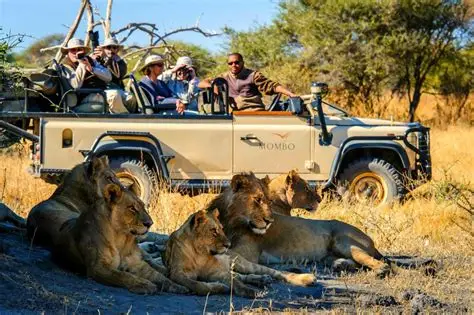
“South Africa’s adventure tourism sector is thriving this August 2026 as international visitors flock to witness wildflower blooms in Namaqualand, whale migrations in Hermanus, and exceptional safari conditions in Kruger National Park. Hotels, lodges, and tour operators are reporting record occupancy, highlighting the country’s unique appeal as a multi-adventure destination.”
Adventure tourism in South Africa has reached unprecedented heights in August 2026. A rare alignment of three extraordinary natural events—the Namaqualand wildflower bloom, the southern right whale migration in Hermanus, and peak safari conditions in Kruger National Park—has created a surge in international arrivals. According to the Department of Tourism, visitor numbers rose by 12.3% in the first half of 2026, totaling 5.58 million arrivals.
Namaqualand Wildflower Bloom
- Location: Northern Cape
- Season: August–September
- Highlights: Vast carpets of daisies, lilies, and succulents transform arid landscapes into colorful fields.
- Adventure Appeal: Hiking trails, self-drive routes, and guided eco-tours attract photographers and nature lovers.
This year’s bloom is particularly vibrant due to favorable winter rains. Lodges and guesthouses in the Northern Cape are reporting near-full occupancy, with eco-tourists and photographers flocking to capture the ephemeral beauty. Adventure travelers are combining wildflower hikes with camping and stargazing, creating a holistic outdoor experience.
Whale Watching in Hermanus
- Species: Southern right whales
- Peak Season: August–October
- Adventure Appeal: Shore-based whale watching, boat tours, kayaking excursions.
Hermanus, globally recognized as one of the best land-based whale-watching destinations, has seen a surge in bookings. Hotels along the coast are reporting record occupancy rates, while restaurants and tour operators benefit from the influx of visitors. Adventure travelers are combining whale watching with shark cage diving in nearby Gansbaai, creating a marine adventure hub that strengthens the hospitality ecosystem.
Safari in Kruger National Park
- Conditions: Dry season, concentrated wildlife at waterholes.
- Appeal: Exceptional predator sightings, impala lambing, golden hours for photography.
Kruger remains South Africa’s flagship safari destination, and August offers some of the best game-viewing conditions of the year. Lions, leopards, and cheetahs are frequently spotted, while elephants and buffalo gather in large herds. Safari lodges and camps are reporting full bookings, with international visitors drawn by reduced malaria risk and unparalleled wildlife experiences.
Economic Impact
The simultaneous boom across these three adventure sectors has created ripple effects throughout the hospitality industry. Restaurants, transport providers, and local artisans are benefiting from increased tourist spending. The Department of Tourism projects that August 2026 could generate record-breaking revenue for the sector, reinforcing tourism’s role as a cornerstone of South Africa’s economy.
Sustainability and Conservation
Adventure tourism is not without challenges. Conservationists emphasize the importance of sustainable practices to protect fragile ecosystems. In Namaqualand, strict visitor guidelines are in place to prevent damage to wildflower fields. In Hermanus, whale-watching operators adhere to international marine conservation standards. Kruger National Park continues to balance tourism with wildlife protection, ensuring that predator sightings do not disrupt natural behaviors.
Traveler Experience
Adventure travelers in South Africa this August are enjoying a unique blend of experiences:
- Hiking through vibrant wildflower landscapes.
- Watching whales breach from coastal cliffs.
- Photographing lions at golden hour in Kruger.
This combination of land, sea, and wilderness adventures positions South Africa as one of the world’s most diverse adventure tourism destinations.
Conclusion
South Africa’s August 2026 adventure tourism boom highlights the country’s unparalleled natural diversity. With wildflowers, whales, and safaris aligning in a single season, international visitors are experiencing a once-in-a-lifetime adventure. The surge in arrivals and bookings underscores tourism’s critical role in the national economy, while conservation efforts ensure that these natural wonders remain protected for future generations.



