




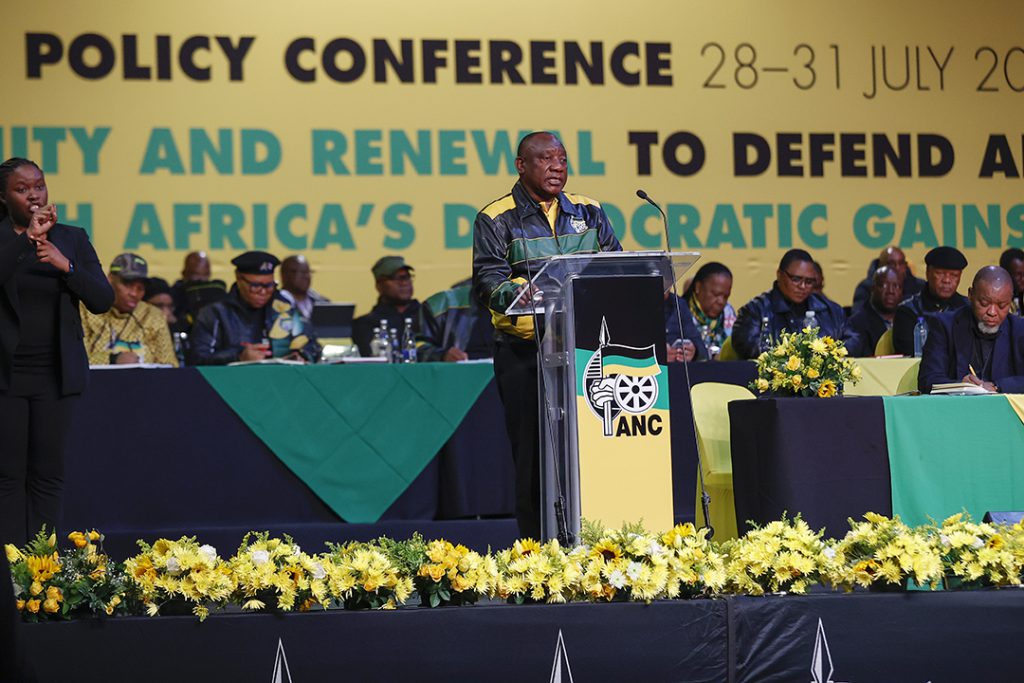
“South Africa’s Cabinet has unveiled significant progress in implementing its Comprehensive Approach to Managing Migration, including new immigration courts, expanded border enforcement, and coordinated deportations. The policy aims to balance national security with humanitarian considerations, amid growing public protests and regional migration pressures.”
Migration has long been a contentious issue in South Africa, where economic disparities, porous borders, and political tensions converge. On July 1, 2026, the Cabinet released a detailed statement outlining progress on President Cyril Ramaphosa’s Comprehensive Approach to Managing Migration, first announced on June 7. This initiative represents one of the most ambitious policy undertakings in recent years, designed to address irregular migration, strengthen border security, and ensure lawful deportations while safeguarding human dignity.
Background
South Africa has faced mounting challenges with irregular migration, particularly from neighboring Zimbabwe and Mozambique. Public frustration has manifested in protests, some peaceful and others violent, demanding stricter enforcement against undocumented migrants. The government’s response has been to craft a five-pillar strategy, encompassing law enforcement, border management, repatriation, labor inspections, and humanitarian coordination.
Key Policy Measures
- Law Enforcement: Increased labor inspections target companies suspected of employing undocumented workers. Deputy Ministers of Employment, Home Affairs, and Police are spearheading this effort.
- Immigration Courts: Specialized courts have been re-established in Durban, OR Tambo International Airport, and Lindela Repatriation Centre, expediting deportation cases.
- Repatriation Centers: A temporary facility in Musina now facilitates dignified repatriations, supported by NGOs like Gift of the Givers and Ashraful Aid.
- Border Management: The Border Management Authority has intercepted rising numbers of irregular migrants, tightening entry requirements.
- Community Engagement: The Cabinet praised peaceful protests and emphasized collaboration with civil society to maintain order.
Political Context
The migration policy comes at a politically sensitive time. Opposition parties argue that the ANC government is using migration as a scapegoat for broader economic failures. Meanwhile, civil society groups warn that aggressive deportations risk violating human rights obligations. The Cabinet insists that the policy balances enforcement with humanitarian care, citing NGO involvement as evidence of this commitment.
Public Reaction
Public opinion remains divided. Some South Africans welcome stricter enforcement, viewing undocumented migration as a strain on jobs and services. Others criticize the government for failing to address root causes such as unemployment and corruption. The Ratanda water protests, which turned deadly this week, underscore how service delivery failures intersect with migration tensions, amplifying political volatility.
Regional Implications
South Africa’s migration policy has ripple effects across Southern Africa. Neighboring states, particularly Zimbabwe, are closely monitoring deportation practices. The establishment of repatriation centers signals a shift toward regional coordination, though questions remain about sustainability and fairness.
Risks and Challenges
- Human Rights Concerns: Deportations must comply with international law, avoiding arbitrary detention.
- Economic Strain: Migrant labor remains vital in sectors like agriculture and construction.
- Political Polarization: Migration debates risk deepening divides between ruling and opposition parties.
- Implementation Capacity: Courts and border authorities face resource constraints.
Conclusion
South Africa’s Comprehensive Approach to Managing Migration marks a decisive policy shift, reflecting both domestic pressures and regional realities. While the government emphasizes order and dignity, the success of this initiative will depend on balancing enforcement with compassion, ensuring that migration management strengthens—not undermines—South Africa’s democratic and humanitarian commitments.



