




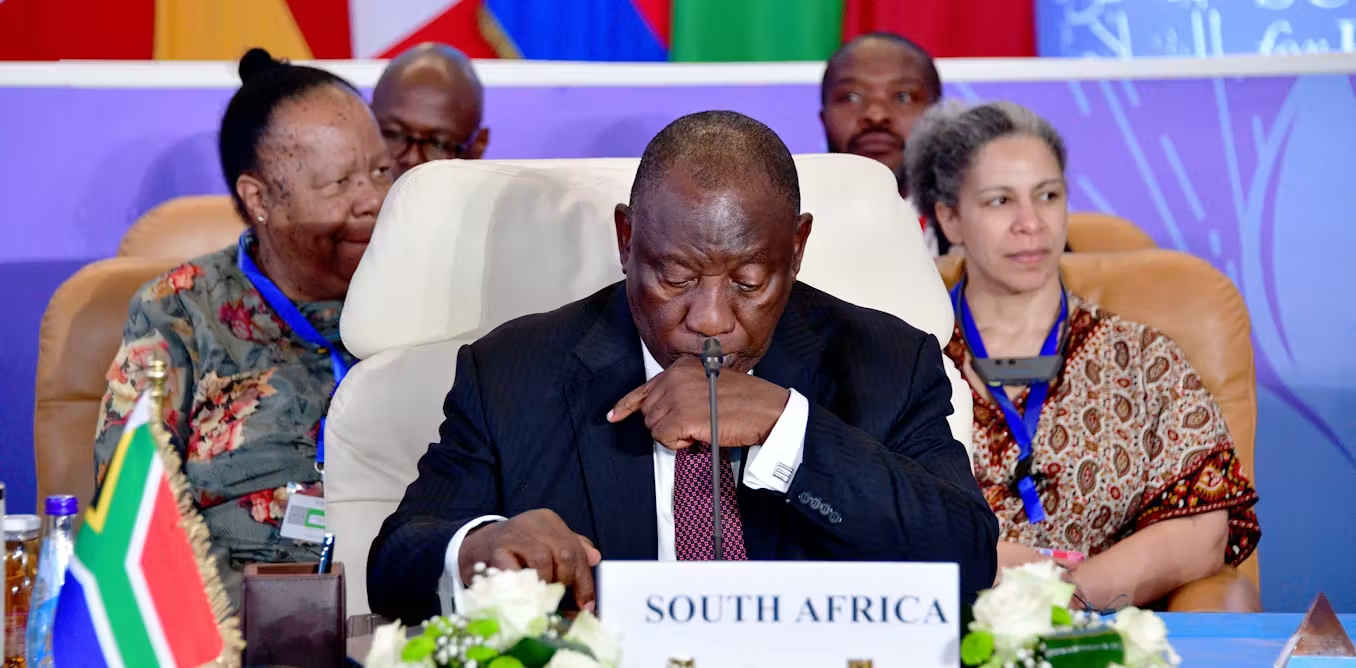
”South Africa has deployed thousands of soldiers to support police forces during widespread anti-migrant protests, reflecting growing domestic tensions over immigration and regional diplomacy. The move raises concerns about the country’s international image and its commitments under African Union and SADC frameworks.”
South Africa’s international relations are under intense scrutiny following the government’s decision to deploy over 3,000 soldiers nationwide to quell escalating anti-migrant protests. The protests, which have spread across major urban centers, highlight deep-seated frustrations over unemployment, crime, and strained public services. While the deployment is framed as a measure to restore order, it carries significant diplomatic implications, particularly in relation to South Africa’s neighbors and its role within the Southern African Development Community (SADC) and the African Union (AU).
Domestic Context
The protests have been fueled by perceptions that migrants, particularly from Zimbabwe, Mozambique, and Malawi, are overwhelming local job markets and contributing to crime. Civil society groups argue that the government has failed to address structural economic issues, instead scapegoating migrants. The deployment of soldiers is seen by critics as a militarized response to a socio-economic crisis, raising questions about the government’s priorities.
Diplomatic Dimensions
South Africa’s actions reverberate beyond its borders. Neighboring states have expressed concern that the crackdown could lead to human rights violations against their citizens living in South Africa. The Zimbabwean government has already requested assurances that its nationals will be protected, while Mozambique has called for bilateral talks to prevent escalation. These developments test South Africa’s diplomatic balancing act: maintaining domestic stability while upholding regional solidarity.
International Relations Under Pressure
South Africa’s foreign policy has long emphasized Pan-African solidarity and the protection of human rights. The deployment of soldiers, however, risks undermining this narrative. International observers, including the United Nations High Commissioner for Refugees (UNHCR), have warned that militarized responses to migration could violate international conventions. This places South Africa in a difficult position, as it seeks to maintain credibility in global forums while addressing domestic unrest.
Economic Implications
The protests and subsequent military deployment also carry economic consequences. South Africa’s reputation as a stable investment destination is at risk, with foreign investors wary of political instability. The tourism sector, already struggling post-pandemic, faces further challenges as images of soldiers patrolling city streets circulate globally. Moreover, strained relations with neighboring countries could disrupt cross-border trade, particularly in the Southern African Customs Union (SACU) framework.
Political Fallout
Domestically, the deployment has sparked debate within the ruling African National Congress (ANC). Some factions argue that the government is prioritizing security over diplomacy, while others insist that decisive action was necessary to prevent chaos. Opposition parties, including the Democratic Alliance (DA) and Economic Freedom Fighters (EFF), have criticized the move, calling for comprehensive immigration reform rather than military intervention.
Regional Reactions
The SADC Secretariat has called for an emergency meeting to discuss the implications of South Africa’s actions. Member states are concerned that the protests could spill over into their own territories, particularly given the interconnected nature of migration flows in the region. The AU has also emphasized the need for dialogue, urging South Africa to uphold its commitments to regional cooperation and human rights.
Humanitarian Concerns
Human rights organizations, including Human Rights Watch and Amnesty International, have raised alarms about potential abuses. Reports of soldiers using excessive force against protesters and migrants have already surfaced, though the government denies these claims. The humanitarian dimension adds another layer of complexity to South Africa’s international relations, as global watchdogs monitor the situation closely.
Conclusion
South Africa’s deployment of soldiers amid anti-migrant protests represents a pivotal moment in its international relations. The move underscores the tension between domestic stability and regional diplomacy, highlighting the challenges of balancing national interests with international obligations. As the situation unfolds, South Africa’s ability to navigate these complexities will shape its standing in both African and global politics.



