




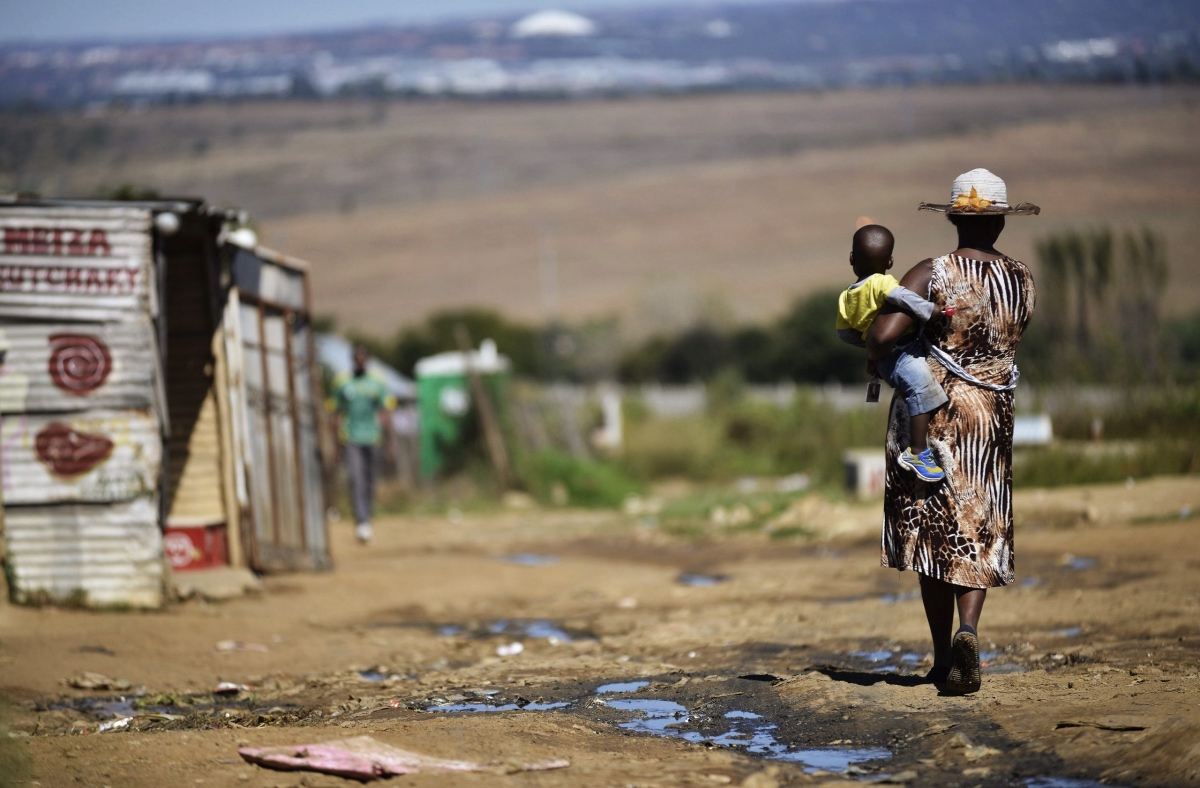
“Inflation in South Africa eased to 4.3% in July 2026, while producer prices fell to 5.7% year-on-year, signaling tentative relief. However, households across income levels remain financially vulnerable, with many unable to save and middle-class families living precariously close to distress.”
South Africa’s microeconomic landscape at the end of August 2026 presents a paradox: headline indicators suggest improvement, yet the lived reality for households remains precarious. Inflation has moderated, producer prices are easing, and take-home pay has finally ticked upward. But beneath these numbers lies a troubling truth—household resilience is dangerously thin, and financial vulnerability cuts across income levels.
Inflation Trends and Producer Prices
- Consumer inflation fell to 4.3% in July, down from 5% in June.
- Producer Price Inflation (PPI) for manufactured goods dropped to 5.7% year-on-year, with a 1% month-on-month decline.
- Petrol inflation fell to 21.8% (from 36.5%), diesel inflation to 29.4% (from 53.8%).
These figures suggest easing pressure at both the consumer and factory-gate levels. While welcome, they are not transformative. Households continue to face high costs in food, fuel, healthcare, and municipal services.
Household Income and Pay Trends
- The PayInc Net Salary Index showed real net salaries rising 0.4% in July, the first increase in nine months.
- Average nominal net salary rose to R21,642, up 0.2% from June and 2.2% year-on-year.
- Despite this, real pay remains 2.2% below its level a year earlier, meaning households are still worse off than mid-2025.
This modest gain is insufficient to offset years of accumulated financial strain.
Household Vulnerability Across Income Levels
A 2026 Budget Insurance Financial Health Survey revealed:
- 48% of lower-middle-income earners cannot afford to save.
- 45% of upper-middle-income earners also cannot save.
- Even among households earning R40,000+ per month, only 57% are actively saving.
This data underscores a critical point: income alone is no longer a reliable measure of financial resilience.
The Middle-Class Paradox
Middle-class South Africans often describe themselves as “a pay cheque away from being on the streets.” They may own cars, live in comfortable rentals, and hold pensions, but lack emergency savings. Groceries frequently go on credit cards, and retirement funds are inadequate.
This precariousness illustrates how financial fragility extends beyond the poor into the middle-income strata.
Business Cycle Indicators
- The South African Reserve Bank’s leading business cycle indicator fell for the third consecutive month, down 1.4% m-o-m in June.
- Motor trade sales remain weak: quarterly sales fell 2.9% in Q2 2026, with fuel sales down 9.4%.
- New vehicle sales rose 15.6%, but fuel demand contracted sharply.
This mixed picture suggests consumer demand is fragile, even as certain sectors show resilience.
Fiscal Context
The 2026 Budget Speech projected:
- Debt stabilization at 78.9% of GDP in 2025/26, declining below 75% within five years.
- GDP growth forecast at 1.6% in 2026, rising to 2% by 2028.
- Key measures:
- Tax relief for households and small businesses.
- R1 trillion infrastructure investment in energy, logistics, and municipal upgrades.
- Expanded public-private partnerships (PPPs) to drive competitiveness.
Conclusion
South Africa’s microeconomic indicators show tentative stabilization, but households remain financially fragile. Inflation easing and salary gains are positive, yet insufficient to rebuild resilience. The paradox of macro resilience versus micro fragility defines the country’s economic narrative in late August 2026.



