




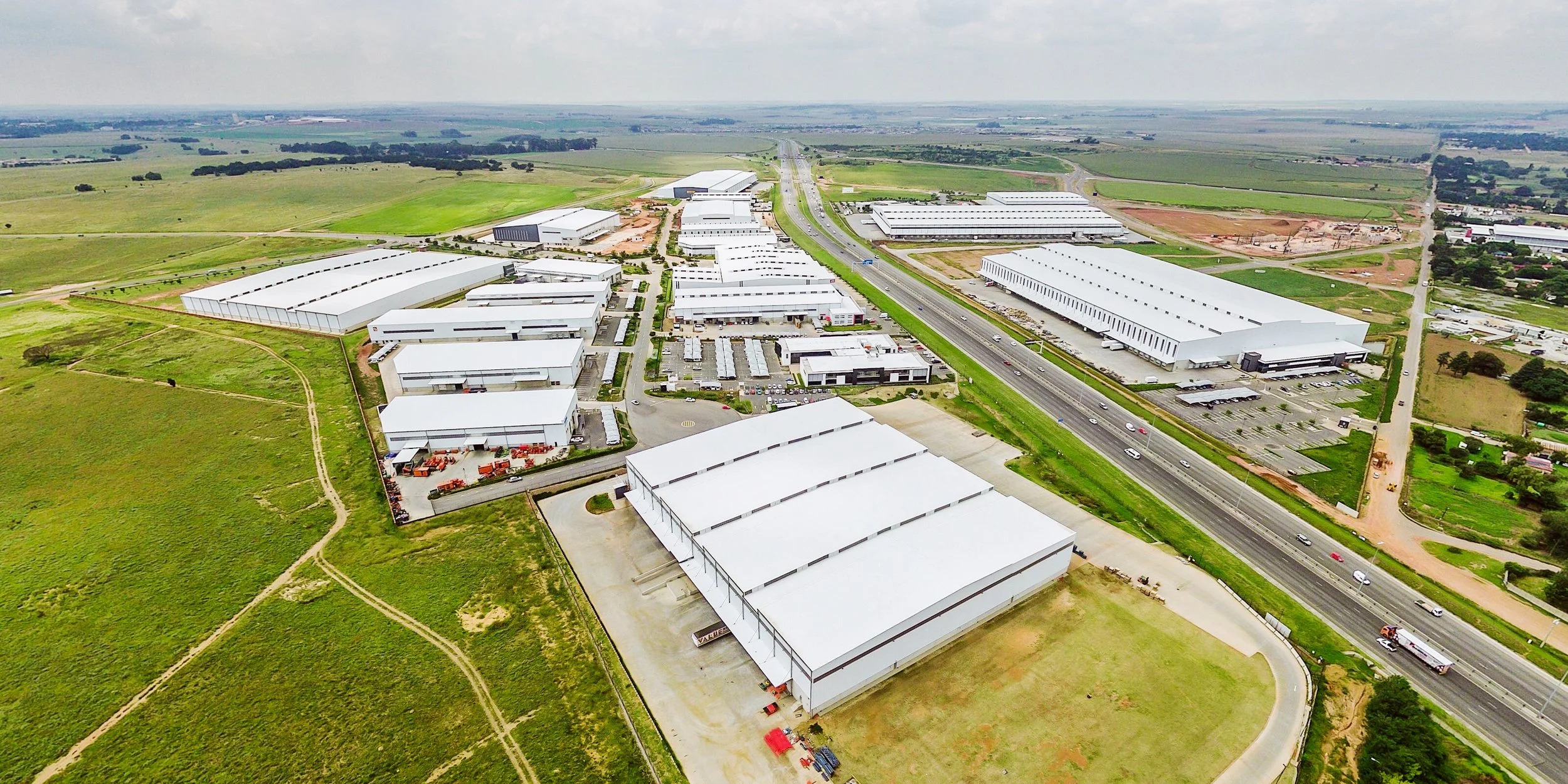
“South Africa’s industrial property sector is outperforming offices and retail, driven by logistics demand, low vacancy rates, and above-inflation rental growth. Cape Town has emerged as a standout region, with rentals rising sharply and catching up with Durban for the first time in decades.”
South Africa’s industrial real estate market has entered 2026 as the most resilient non-residential property sector. While offices and retail continue to struggle with high vacancies and subdued rental growth, industrial property has become a beacon of stability, offering investors, developers, and businesses a rare combination of low risk and strong returns.
Market Performance
- Vacancy Rates: National industrial vacancy rates remain below 4%, with prime A-grade logistics stock effectively below 1% in key nodes.
- Rental Growth: Rentals for 500 m² units rose 6.6% year-on-year, while 1,000 m² units grew by 6.5%, both above building-cost inflation.
- Comparison with 2025: Growth slowed slightly from 8% in 2025, but remains robust enough to sustain investor confidence.
Regional Highlights
- Cape Town: Demand surge pushed rentals up 14% in 2025, now matching Durban’s levels for the first time since the mid-2000s.
- Johannesburg: Logistics powerhouse with near-zero speculative vacancy in prime nodes like Waterfall and Longmeadow.
- Durban: Post-flood reset shifted development north to Cornubia and west to Hammarsdale.
- Pretoria & Gqeberha: Moderate growth but benefiting from national logistics expansion.
Drivers of Growth
- E-commerce Expansion: Online retail continues to fuel warehouse demand.
- Supply Chain Restructuring: Businesses are consolidating operations into larger, more efficient facilities.
- Investor Confidence: REITs and property funds are shifting focus from struggling retail to industrial assets.
Risks & Challenges
- Global Slowdown: The Middle East conflict has lowered South Africa’s 2026 growth outlook.
- Manufacturing Dependency: Industrial demand is closely tied to manufacturing and retail, both under pressure.
- Construction Costs: Rising costs could limit new developments despite rental growth.
Investment Outlook
- Prime Assets: Remain attractive for long-term investors due to stable income streams.
- Development Viability: Supported by rental growth exceeding cost inflation.
- Cape Town Logistics Hubs: Particularly appealing for new investment given demand and limited supply.
Conclusion
South Africa’s industrial property market in 2026 demonstrates remarkable resilience, offering stability and growth opportunities for investors, developers, and businesses. With Cape Town leading rental escalations and national vacancy rates at historic lows, industrial real estate continues to be the sector to watch.



