




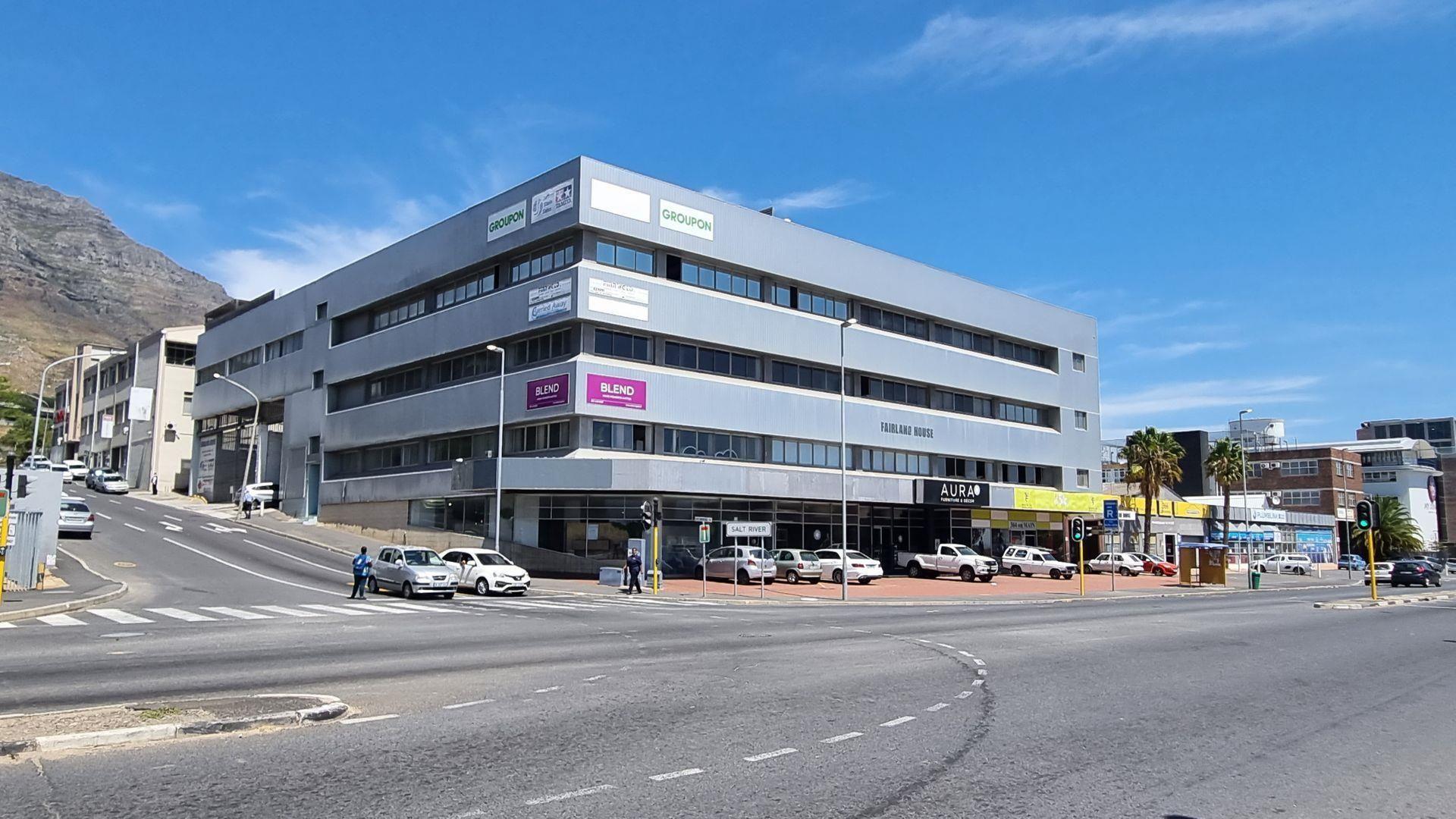
“South Africa’s commercial property sector is rebounding in 2026, with industrial real estate driving growth, office markets cautiously recovering, and retail nodes stabilizing. Investor confidence is rising, supported by strong REIT returns and the growing popularity of auctions as a transparent transaction channel.”
South Africa’s commercial real estate sector has entered 2026 with renewed momentum, marking a significant departure from the sluggish growth and pandemic-related disruptions of previous years. Industrial property demand, office market recovery, and stabilizing retail nodes are reshaping the landscape, while investor confidence is buoyed by strong REIT performance and innovative transaction channels such as auctions. This resurgence signals a broader economic recovery and positions commercial property as a cornerstone of South Africa’s investment environment.
Industrial Real Estate: The Star Performer
Industrial property has emerged as the most dynamic segment of the commercial market. Vacancies have dropped below 5% nationally, with Cape Town’s logistics corridors showing particularly strong demand. Rental growth on 500m² spaces has reached 8.4% year-on-year, driven by the surge in e-commerce, warehousing, and last-mile distribution. Investors are increasingly drawn to industrial assets due to their resilience, scalability, and alignment with global supply chain trends.
This growth is not only a reflection of domestic demand but also of South Africa’s strategic role as a logistics hub for the African continent. Ports, rail corridors, and highways are being leveraged to support industrial absorption, making industrial property the most attractive investment class in 2026.
Office Market Recovery
The office sector, once battered by pandemic-induced vacancies and oversupply, is showing signs of cautious recovery. Cape Town remains the outperformer, attracting professional services firms and hybrid teams seeking quality space. Johannesburg, however, continues to grapple with oversupply, prompting strategic conversions of older office stock into mixed-use developments.
A-grade and decentralized offices are gaining traction, reflecting the shift toward flexible work arrangements. This recovery is critical for balancing the broader commercial property landscape, as office demand stabilizes and contributes to urban regeneration.
Retail Nodes Stabilizing
Retail property, long under pressure from online shopping trends, is stabilizing in 2026. Gauteng’s super-regional malls and shopping centres have shown growth in Q1 2026, outperforming other formats. Convenience retail, particularly in suburban nodes, is benefiting from changing consumer behavior, with shoppers increasingly valuing accessibility and experiential retail.
This stabilization is vital for the commercial property sector, as retail nodes provide balance and diversification. The resilience of retail assets underscores the adaptability of South African landlords and developers in responding to shifting consumer preferences.
REITs Regaining Strength
South Africa’s REIT sector has delivered double-digit total returns in 2025, and this momentum has carried into 2026. Improved valuations, healthier balance sheets, and strong operational performance have positioned REITs as magnets for capital. The upcoming SA REIT Conference 2026 is expected to highlight opportunities in logistics, convenience retail, and alternative asset classes.
REITs are playing a pivotal role in channeling investment into commercial property, offering transparency, liquidity, and diversification. Their resurgence reflects broader investor confidence in South Africa’s property market.
Auctions as a Preferred Transaction Channel
Auctions are increasingly being used to transact commercial properties, offering transparency and efficiency. Activity has surged in Johannesburg and Cape Town, with prime industrial and mixed-use assets fetching competitive bids. Investors are drawn to auctions for their speed, clarity, and ability to unlock value in a competitive environment.
This trend is reshaping transaction dynamics, positioning auctions as a mainstream channel for commercial property deals in 2026.
Conclusion
South Africa’s commercial real estate sector is experiencing a renaissance in 2026, driven by industrial property demand, office market recovery, and retail stabilization. Investor confidence is rising, supported by strong REIT performance and innovative transaction channels. As infrastructure investments and economic reforms continue to unfold, the sector is poised for sustained growth, offering opportunities for both domestic and international investors.
The resilience of industrial assets, adaptability of office markets, and stabilization of retail nodes underscore the sector’s ability to navigate challenges and seize opportunities. South Africa’s commercial property market is not only rebounding but also redefining itself as a dynamic, investable proposition for the future.



