




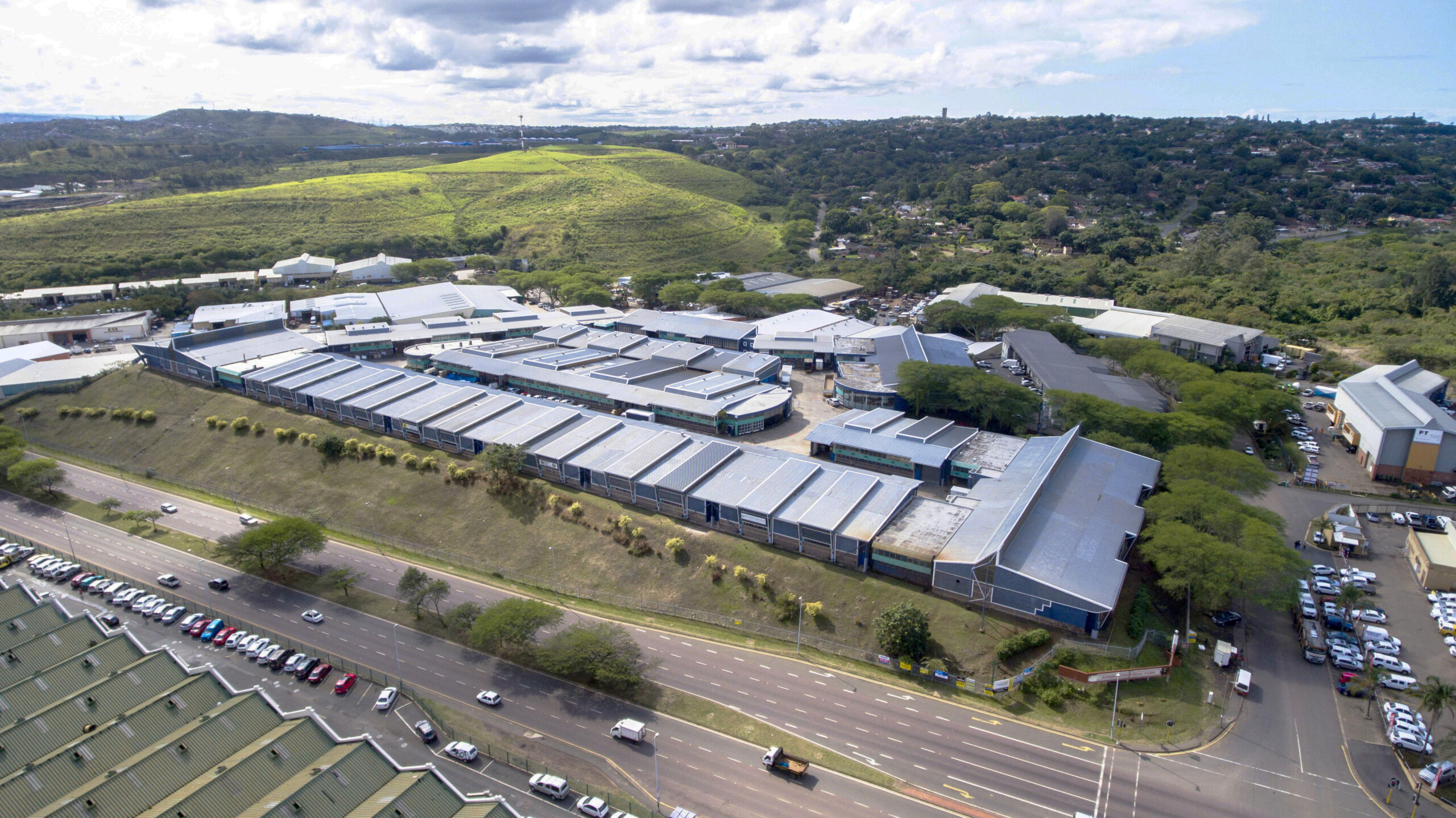
“South Africa’s industrial real estate sector is experiencing a “perfect storm” of supply constraints, rising construction costs, and surging demand for prime logistics facilities. Vacancy rates for A‑grade stock have fallen below 1% in key metros, pushing investors and occupiers toward large-scale pre‑let developments.”
South Africa’s industrial property market has entered a new era defined by scarcity, rising costs, and strategic repositioning. Unlike the commercial office sector, which continues to struggle with oversupply, industrial real estate has become the country’s most resilient and in-demand asset class. The shortage of prime logistics facilities is reshaping investment flows, tenant strategies, and development pipelines.
Supply–Demand Imbalance
- National vacancy rate: Approximately 3.7%, but effective vacancy for prime A‑grade logistics stock is below 1%.
- Cape Town: The tightest market, with nodes like Brackengate and Atlantic Hills virtually fully let. Developers report speculative projects being pre‑leased before construction begins.
- Johannesburg: Despite larger stock, prime logistics hubs such as Waterfall and Longmeadow are near zero vacancy.
- Durban: Post‑flood recovery has shifted development north to Cornubia and west to Hammarsdale, as South Basin stock remains constrained.
Drivers of the Shortage
- Flight to Quality: Corporates are consolidating into modern, efficient facilities.
- Construction Cost Spikes: Rising input costs limit speculative development.
- Global Supply Chain Shifts: E‑commerce and logistics demand have surged post‑pandemic.
- Limited Land Availability: Prime nodes face zoning and infrastructure bottlenecks.
Major Occupier Deals
- Shoprite’s Whitey Basson Distribution Park (Cape Town): 135,000m² facility, pre‑let before completion.
- Riverfields Logistics Hub (Johannesburg): Multi‑tenant consolidation driven by FMCG and retail giants.
- Hammarsdale Expansion (Durban): Logistics developers pivoting to new corridors to meet demand.
Investor Response
- REITs and Funds: Equites Property Fund and Growthpoint are prioritizing logistics developments.
- Private Equity: Increasing interest in brownfield conversions and redevelopment of older stock.
- International Capital: Foreign investors view South Africa’s industrial sector as a hedge against global volatility.
Risks and Challenges
- Rental Inflation: Scarcity is driving rental growth, potentially squeezing SMEs.
- Infrastructure Strain: Power shortages and transport bottlenecks could undermine growth.
- Geographic Imbalance: Cape Town’s crisis contrasts with relatively better availability in secondary metros.
Outlook
Analysts predict sustained rental growth and continued pre‑let activity through 2027. Developers are expected to focus on speculative builds in Cape Town and Johannesburg, while Durban’s recovery will hinge on infrastructure upgrades. The industrial sector is now firmly a landlord’s market, with occupiers forced to adapt to limited choice and rising costs.
Key Takeaways
- Vacancy rates below 1% for prime logistics stock in major metros.
- Pre‑let developments dominate as speculative supply is absorbed instantly.
- Cape Town faces the sharpest crisis, while Durban is still recovering from past disruptions.
- Investors are pivoting to logistics, making industrial property South Africa’s most resilient real estate segment.



