




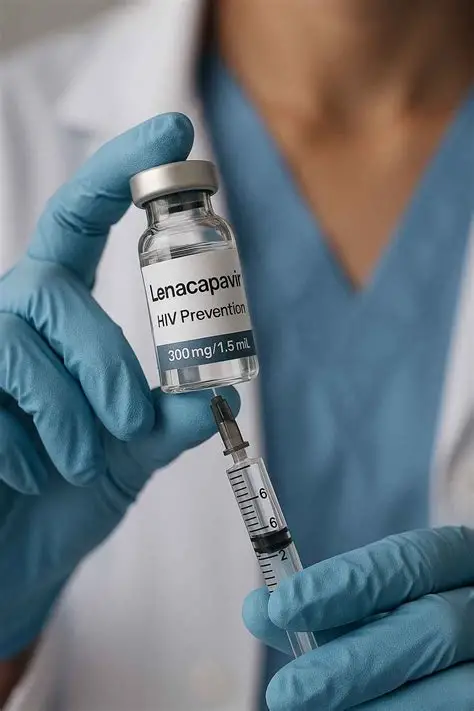
”South Africa has launched Lenacapavir, a groundbreaking twice-yearly HIV prevention injection, marking a major milestone in global HIV medicine. However, experts caution that systemic barriers, stigma, and limited outreach could prevent the most at-risk populations from benefiting fully.”
South Africa became one of the first countries worldwide to introduce Lenacapavir, a long-acting injectable pre-exposure prophylaxis (PrEP) administered every six months. This breakthrough medicine promises to revolutionize HIV prevention, particularly in a country where over 7.5 million people live with HIV. Yet, as experts highlight, the success of this rollout hinges not only on the drug’s efficacy but on whether the nation can overcome entrenched barriers to healthcare access.
The Promise of Lenacapavir
Clinical trials have demonstrated that Lenacapavir is highly effective in preventing HIV infection. Unlike daily oral PrEP, which requires strict adherence, Lenacapavir’s twice-yearly injection reduces the burden of daily medication and minimizes the risk of missed doses. For many, this innovation could mean a more manageable and discreet form of HIV prevention.
The initial rollout prioritizes adolescent girls and young women, sex workers, men who have sex with men, and transgender individuals—groups disproportionately affected by HIV in South Africa. By targeting these populations, the government hopes to curb new infections and accelerate progress toward UNAIDS’ 95-95-95 targets.
Barriers to Access
Despite its promise, experts warn that equitable access is the real challenge. Jacqueline Pina, a psychologist and public health specialist, emphasized during a Rural Health Advocacy Project (RHAP) webinar that stigma, discrimination, and logistical barriers could prevent vulnerable groups from accessing Lenacapavir.
- Clinic-based distribution risks exclusion: Many sex workers and LGBTQ+ individuals avoid clinics due to fear of humiliation.
- Geographic inequalities: Rural communities often face long travel distances to health facilities.
- Awareness gaps: Limited public campaigns may leave at-risk populations unaware of the injection’s availability.
Lessons from Oral PrEP
South Africa’s earlier rollout of oral PrEP offers cautionary lessons. Despite proven effectiveness, uptake remained low due to stigma, poor awareness, and limited distribution channels. Experts fear that repeating these mistakes with Lenacapavir could undermine its potential impact.
Community-Based Solutions
To address these challenges, health advocates propose expanding distribution beyond clinics. Suggested strategies include:
- Mobile outreach teams bringing injections directly to communities.
- Youth-friendly services at schools and universities.
- Partnerships with community organizations trusted by vulnerable groups.
- Pharmacy-based distribution to increase convenience and reduce stigma.
Such approaches could ensure that HIV prevention reaches people where they live, study, and work.
Global Significance
South Africa’s rollout of Lenacapavir is being closely watched worldwide. If successful, it could serve as a model for other low- and middle-income countries grappling with high HIV prevalence. The drug’s long-acting nature also makes it cost-effective, reducing supply chain burdens and healthcare worker training requirements compared to daily pills or frequent injections.
Risks and Challenges
- Stigma and discrimination remain powerful deterrents.
- Healthcare system strain: Clinics already burdened by TB and measles outbreaks may struggle to integrate Lenacapavir.
- Funding sustainability: Ensuring long-term affordability is critical for nationwide adoption.
Conclusion
Lenacapavir represents a historic breakthrough in HIV prevention, but its success in South Africa depends on equitable access and community-centered distribution. Without addressing systemic barriers, the injection risks becoming another innovation that fails to reach those who need it most. As South Africa moves forward, the world will be watching closely to see whether this bold step translates into real progress in the fight against HIV.



