




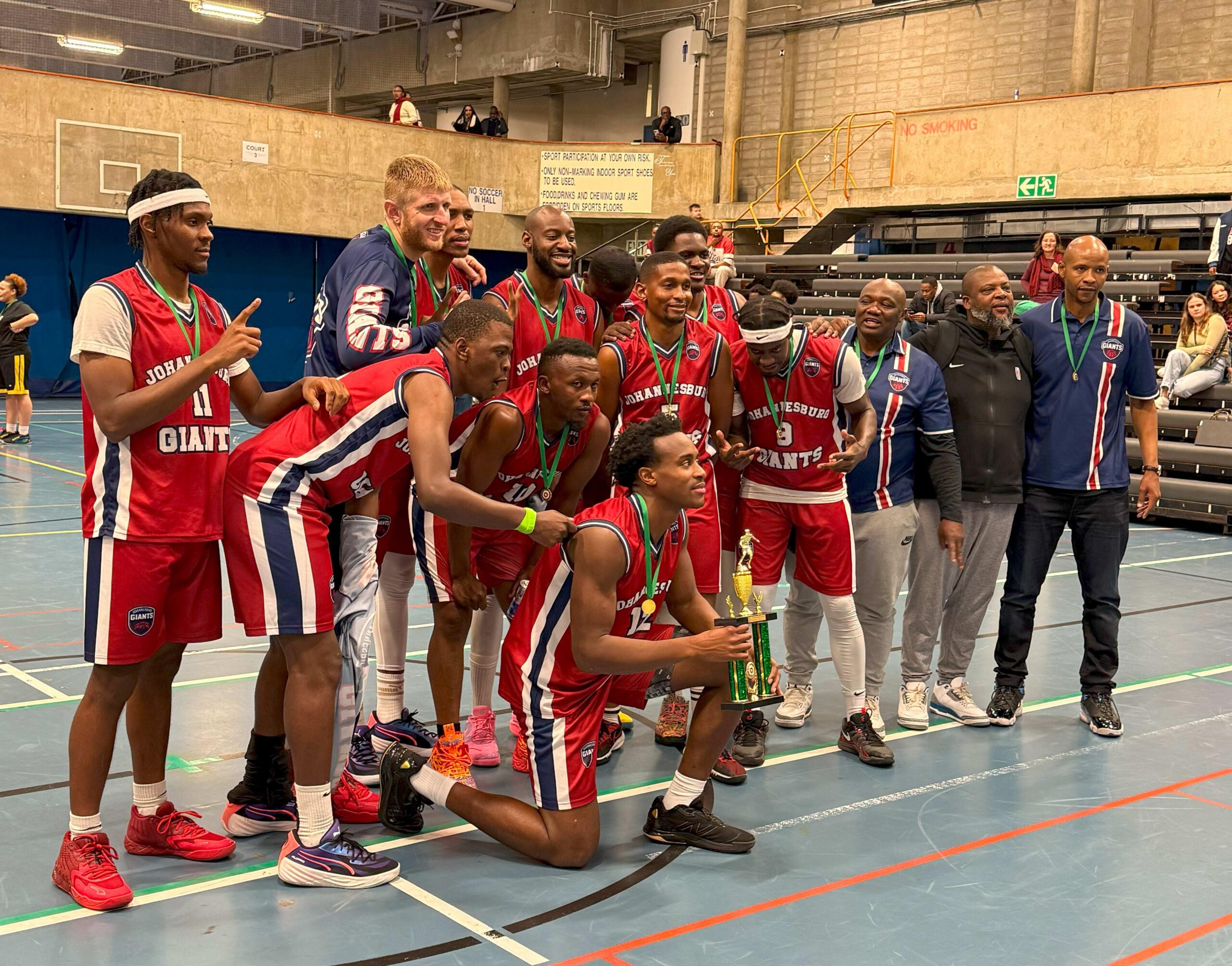
“Basketball South Africa confirmed that the 2026 National Club Championships would take place from 6 to 11 October at Mandeville Indoor Sport Center in Johannesburg, following difficulties securing a suitable venue. The event’s scheduling and organisational challenges highlighted the importance of reliable facilities, funding and competition structures for clubs seeking to develop players and strengthen South African basketball.”
South Africa’s National Club Championships Highlight the Need for Stronger Domestic Basketball Development
South African basketball entered an important period in October 2026 as attention turned to the National Club Championships, a competition intended to bring clubs together and provide players with opportunities to compete at a national level. Basketball South Africa confirmed that the tournament would run from 6 to 11 October at Mandeville Indoor Sport Center in Johannesburg, Gauteng. The announcement followed difficulties securing an appropriate venue and raised important questions about the organisation, funding and long-term development of basketball across the country.
Revised Championship Dates Provide Clarity
According to a report published by Basketball For Living on 21 September 2026, Basketball South Africa confirmed revised dates and a new venue after organisers experienced challenges arranging a suitable location for the championships. The competition had faced uncertainty because the local organising committee in Gauteng struggled to secure a facility capable of hosting the event.
The revised arrangements identified Mandeville Indoor Sport Center in Johannesburg as the venue for the six-day tournament. This decision offered participating clubs a clearer framework for preparing their teams, organising travel and coordinating their participation.
However, the announcement also illustrated the practical difficulties involved in delivering national sporting competitions. Organisers must secure suitable facilities, coordinate participating teams, arrange officials and communicate schedules well before the first match. When these arrangements are delayed, clubs can face additional expenses and uncertainty.
The confirmation therefore represented an important administrative step. Nevertheless, successful delivery depends on more than announcing dates and a venue. Teams require reliable information, effective coordination and suitable playing conditions to compete fairly and safely.
Why National Club Championships Matter
National club competitions are an important part of a country’s basketball structure because they bring together teams that may otherwise compete mainly within provincial or regional environments. These tournaments allow clubs to assess their standards against unfamiliar opponents and expose players to different coaching approaches and playing styles.
For South African basketball, a well-organised national championship can also help identify emerging talent. Players who perform consistently against strong opposition may attract attention from coaches, scouts and other basketball organisations. Although selection opportunities are never guaranteed, competitive exposure can become an important part of an athlete’s development.
Club competitions also provide coaches with opportunities to evaluate tactical decisions under pressure. Teams must manage substitutions, defensive adjustments, player fitness and match preparation across a demanding schedule. These experiences can help coaches identify weaknesses and improve their programmes after the tournament.
Furthermore, national championships can strengthen relationships between clubs, provincial associations and administrators. When stakeholders exchange knowledge and coordinate their efforts, they can improve the broader basketball environment. The value of a championship consequently extends beyond the final score or the team that eventually wins.
Venue Challenges Highlight Organisational Pressures
Securing a suitable indoor venue is one of the essential requirements for a national basketball tournament. Facilities must accommodate the court, players, officials, technical equipment and spectators while meeting applicable competition requirements.
The difficulties described in the September announcement demonstrated how venue arrangements can become a major challenge for organisers. Basketball competitions require specific facilities, and suitable venues may already be committed to other events or unavailable during preferred dates.
A late change can affect participating clubs in several ways. Teams travelling from distant provinces may need to revise transport arrangements, adjust accommodation bookings and reorganise training sessions. Clubs operating with limited budgets can find these changes particularly difficult to absorb.
For this reason, sports administrators should treat venue planning as a central part of tournament management. Early agreements, alternative venue options and transparent communication can reduce uncertainty. Organisers can also benefit from establishing clear responsibilities for venue operations, technical requirements and emergency arrangements.
These measures cannot eliminate every logistical problem. Nevertheless, stronger planning can help ensure that difficulties are identified early and communicated to teams before they become more expensive or disruptive.
Funding Remains Essential to Basketball Growth
Financial resources are another important consideration for clubs competing at national level. Players may need transport, accommodation, meals, training equipment and appropriate medical support. Coaches and team officials also require resources to prepare players and manage the demands of competition.
The September report referred to funding constraints surrounding the championship arrangements. Such constraints can affect the ability of sporting organisations to secure venues, coordinate events and provide consistent administrative support.
For clubs, limited funding can influence who gets the opportunity to participate. Teams with stronger financial backing may find it easier to travel and maintain regular training programmes, while community-based organisations can struggle to meet the same expenses.
A sustainable approach requires cooperation between basketball administrators, public institutions, sponsors, schools and local communities. Businesses may support competitions through sponsorships, equipment donations or transport assistance. Public sporting facilities can help reduce venue costs, while community partnerships may provide additional resources for youth development.
Transparency is equally important. Clubs and supporters should understand how available resources are allocated and what support programmes are intended to achieve. Clear reporting can strengthen confidence among sponsors and encourage longer-term investment.
Opportunities for Young Players
One of the strongest arguments for supporting national club basketball is the opportunity to develop young athletes. Players need regular competition to translate their training into practical experience. They must learn to respond to defensive pressure, make decisions quickly and maintain concentration when matches become difficult.
National tournaments can offer a valuable environment for that development. Young players may encounter opponents with different physical attributes, technical abilities and tactical approaches. These experiences can help them recognise areas where they need to improve.
However, talent development cannot depend on a single annual competition. Young athletes need consistent coaching, accessible facilities and meaningful opportunities to play throughout the year. School competitions, community leagues and provincial programmes should complement national events.
Coaches also need opportunities to improve their qualifications and share effective methods. Referee development and reliable competition administration are important because players benefit most when games are organised professionally and rules are applied consistently.
A connected development pathway can help promising athletes progress from local participation towards more demanding competition. It can also encourage players who do not immediately reach elite levels to remain involved in basketball through coaching, officiating and community leadership.
The Role of the Basketball National League
South Africa’s club championship environment exists alongside other organised competitions, including the Basketball National League. The league’s official website records the 2026 men’s final in which Soweto Panthers defeated Western Cape Mountaineers 74–70. The website also reports that Tshwane Suns defeated Egoli Magic 51–45 in the women’s final.
These results demonstrate the competitive activity taking place within the country’s professional basketball structure. They should not, however, be confused with the National Club Championships, which are a separate competition.
Different competitions can serve complementary purposes. A national league provides a structured platform for teams to compete over a season, while club championships can bring together organisations through a distinct tournament format.
The wider challenge is ensuring that these competitions contribute to a coherent basketball ecosystem. Clubs need clear information about tournament requirements, player eligibility and competition calendars. Where scheduling permits, national and regional programmes should support rather than unnecessarily obstruct one another.
For emerging players, the existence of multiple competitive platforms can provide additional experience. For administrators, it creates an opportunity to coordinate events, share resources and strengthen relationships across the sport.
Building Stronger Community Participation
Basketball development also depends on the communities surrounding clubs. Families, schools, volunteers and local businesses can help create environments where young people have opportunities to participate.
Community programmes can introduce children to basketball before they reach competitive club level. Accessible coaching sessions and school partnerships can make participation easier, particularly where families have limited resources for organised sport.
Clubs can strengthen these connections by holding introductory sessions, communicating regularly with parents and recognising volunteers. Local tournaments and development clinics can also give young players opportunities to learn without requiring every participant to travel long distances.
Women and girls should receive meaningful access to coaching, facilities and competitive opportunities. An inclusive approach expands the talent pool and helps basketball reach more communities.
Community participation also supports the sustainability of clubs. When residents identify with a team, they may be more likely to attend matches, volunteer at events or encourage young athletes. This support can become especially valuable when clubs face financial or organisational challenges.
What Administrators Should Prioritise Next
Following the scheduled championship period, stakeholders should assess the event’s organisation and identify lessons for future competitions. A review should examine venue arrangements, communication, travel requirements, competition scheduling and the experience of participating teams.
It is important not to assume that every planned element was delivered successfully without a published post-event report. Instead, an evidence-based review should establish what worked, which difficulties occurred and what improvements are needed.
Future planning should begin early enough to provide clubs with dependable information. Confirmed venues, clear registration deadlines and published schedules can help teams prepare responsibly. Organisers should also communicate changes promptly and explain the reasons for significant adjustments.
Long-term development requires measurable objectives. These might include increasing youth participation, improving coaching capacity, expanding access to facilities and attracting sustainable sponsorship. Progress should be evaluated over time rather than measured only by the success of a single tournament.
Conclusion
The 2026 National Club Championships placed an important spotlight on the opportunities and challenges facing South African basketball. Basketball South Africa’s confirmation of revised dates and Mandeville Indoor Sport Center as the venue provided a clearer plan after organisational difficulties.
The broader lesson is that national competitions require dependable facilities, sufficient funding and effective cooperation between clubs and administrators. They also need to connect with youth programmes, community participation and sustainable competitive pathways.
South African basketball has opportunities to build on the activity of its national league and club competitions. Realising that potential will require consistent investment, transparent administration and a commitment to making participation accessible.
The championships therefore represent more than a date on the sporting calendar. They highlight the importance of developing a reliable structure in which clubs can compete, young players can improve and communities can participate. Continued progress will depend on turning organisational lessons into practical improvements that strengthen basketball throughout the country.
Sources: Basketball For Living, “Basketball SA Confirms New Dates and Venue for 2026 National Club Championships,” 21 September 2026; Basketball National League, official 2026 season and championship results. This article is an original synthesis and analysis based on the cited reporting, not a claim that a new breaking story was published on 13 October 2026.



