




“South Africa’s economy shrank by 0.2% in Q2 2026, with manufacturing and mining output declining sharply due to global oil price spikes and supply chain disruptions. At the same time, Durban’s port congestion has worsened trade inefficiencies, raising import costs and complicating inflation management for the Reserve Bank.”
South Africa’s economic trajectory in 2026 has taken a sharp turn, with the latest data pointing to a contraction in GDP during the second quarter. This downturn reflects the combined impact of global oil price volatility, Durban port inefficiencies, and persistent weaknesses in key sectors such as manufacturing and mining. The developments raise pressing questions about the country’s resilience to external shocks and its ability to sustain growth amid geopolitical uncertainty.
Global Context: Oil Price Shock
The flare-up of hostilities in the Middle East between the US and Iran reignited fears of supply disruptions, pushing oil prices above $100 per barrel. For South Africa, a net importer of petroleum, this translated into a higher import bill and a swing in the current account back into deficit. Elevated fuel costs not only strained household budgets but also raised transport and production costs across industries.
Domestic Impact: GDP Contraction
According to the Bureau for Economic Research, real GDP fell 0.2% quarter-on-quarter, reversing the modest growth seen earlier in the year. Manufacturing output declined by 1.8%, while mining contracted by 3%, largely due to weaker platinum group metals and gold production. Trade, catering, and accommodation also dropped by 1.9%, despite relatively strong household consumption.
Durban Port Crisis
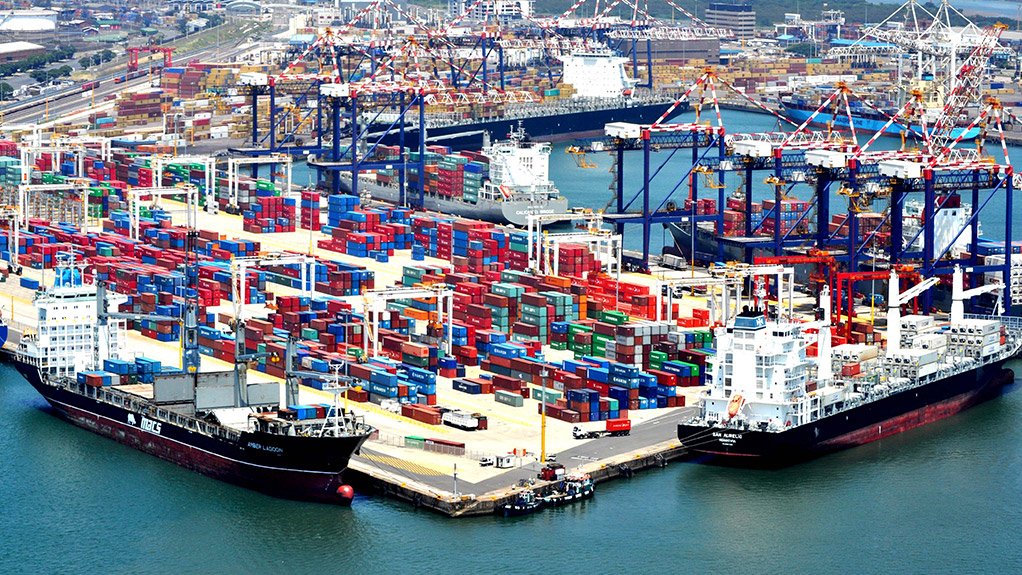
The Durban Gateway Terminal (formerly Pier 2) has become a bottleneck for South Africa’s trade flows. Offshore waiting times for container ships now range between 8–12 days, with major international liners bypassing regional calls to avoid delays. The transition to the new NAVIS N4 terminal system has exacerbated inefficiencies, while ICTSI’s management partnership with Transnet has failed to deliver promised improvements. The Southern African Association of Freight Forwarders (SAAFF) has escalated the crisis to government, demanding urgent intervention.
Inflation Dynamics
Despite the oil-driven cost pressures, July’s consumer price index (CPI) fell to 4.3%, down from 5%. Food inflation, the largest component of household expenditure, dropped to 0.6%, the lowest since 2010. This moderation offers relief to poorer households and raises hopes that the Reserve Bank may pause its rate-hiking cycle. However, the September fuel price increases could reignite inflationary pressures, complicating monetary policy decisions.
Sectoral Breakdown
- Manufacturing: Contracted by 3.1% year-on-year, with food and beverage output providing rare growth.
- Mining: Gold and platinum prices fell sharply, dragging down sector performance.
- Agriculture: Value added grew by 0.3%, offering a small buffer against broader declines.
- Services & Logistics: Showed resilience, but gains were offset by retail and hospitality weakness.
Policy Implications
The contraction underscores the need for structural reforms to enhance resilience. Key priorities include:
- Energy diversification to reduce vulnerability to oil shocks.
- Port infrastructure upgrades to ease trade bottlenecks.
- Investment incentives to revive fixed capital formation, which declined for the second consecutive quarter.
- Labour market interventions to address rising unemployment amid sectoral declines.
Outlook
Heading into Q3 2026, manufacturing shows signs of recovery, but mining remains weak. The Reserve Bank’s upcoming decision will hinge on balancing inflation risks against growth concerns. If external shocks ease, South Africa could regain momentum in the second half of the year. However, failure to resolve Durban’s port crisis and continued oil price volatility may prolong economic stagnation.



