




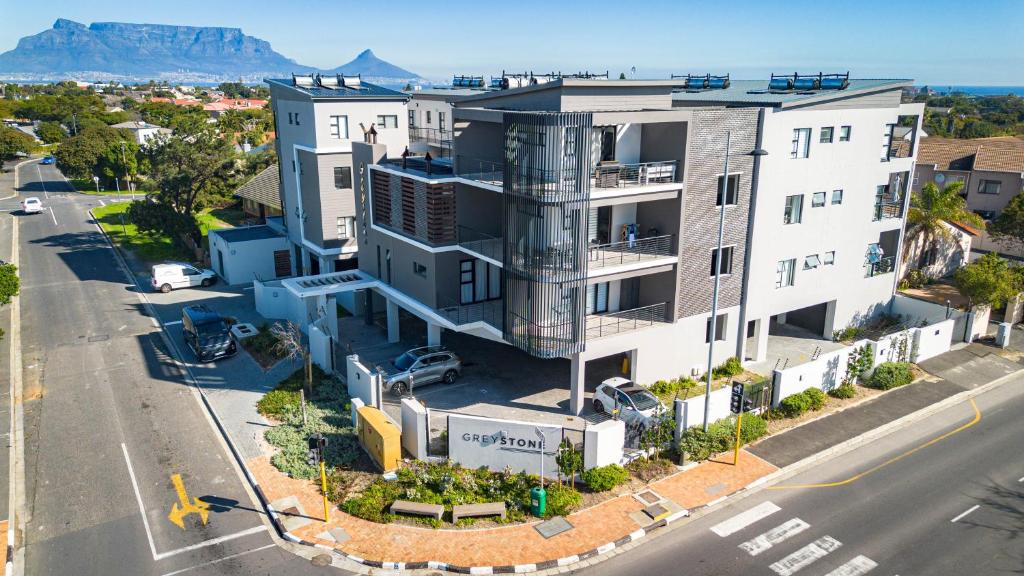
“South Africa’s rental housing sector is experiencing strong demand in mid-2026, with Gauteng and Cape Town delivering the highest yields while coastal lifestyle markets lag behind. National rents are rising above inflation, vacancy rates are low, and investor sentiment is improving, signaling a robust recovery in rental real estate.”
The South African rental real estate market has entered a dynamic phase in 2026, marked by rising demand, stronger yields, and shifting tenant preferences. After years of volatility driven by economic uncertainty and pandemic aftershocks, landlords and investors are now seeing renewed confidence in rental assets, particularly in Gauteng and Cape Town. National rental growth is trending above inflation, vacancy rates are low, and investor sentiment is improving.
National Rental Trends
- Average rent nationwide: R9,300–R9,582/month (+5% YoY).
- Vacancy rate: ~5%, giving landlords moderate pricing power.
- Tenant drivers: Access to schools, transport hubs, and backup power systems (adding R500–R1,500 to achievable rents).
- Shift in demand: Smaller, more affordable units, especially 1- and 2-bedroom sectional-title apartments.
This reflects a broader affordability trend, where tenants prioritize functional living spaces with reliable infrastructure over luxury amenities.
Gauteng: The Yield Powerhouse
- Centurion: 12.5% net yield, the highest nationally.
- Sandton, Rosebank, Bryanston, Fourways: 9.7–11.4% yields.
- Family suburbs like Bryanston: Command 30%+ rental premiums due to proximity to top schools.
Gauteng’s dominance stems from its deep tenant pool, strong corporate presence, and reliable infrastructure. Investors are increasingly drawn to this region for its balance of affordability, yield, and tenant stability.
Cape Town: A Polarized Market
Cape Town reflects a polarization between lifestyle-driven luxury nodes and yield-focused mid-tier suburbs.
- Woodstock & Observatory: 10–11% yields, driven by student and professional demand.
- Premium suburbs (Clifton, Camps Bay, Sea Point, Green Point): Lower yields but strong resale appeal.
This duality highlights Cape Town’s unique position as both a lifestyle destination and a yield-driven rental hub.
Coastal Risks
Durban, Umhlanga, and Ballito present weaker yields due to seasonal demand fluctuations, high levies, and maintenance costs. Coastal properties remain attractive for capital preservation and lifestyle appeal, but investors face vacancy exposure and municipal service delivery risks.
Investor Confidence & Market Indicators
- Stats SA survey: Rental households rose from 17% (2019) to 25.8% (2025).
- Absa Homeowner Sentiment Index (Q1 2026): 48% of respondents believe property investment offers good returns; 41% see strong rental demand.
- PayProp Rental Index: Seventh consecutive quarter of above-inflation rental growth; arrears remain under control.
These indicators underscore a structural shift toward rental housing, driven by affordability constraints and lifestyle changes.
Provincial Rental Breakdown (Q1 2026)
| Province | Average Rent (R) | Notes |
|---|---|---|
| Western Cape | 12,125 | Most expensive, strong demand |
| Northern Cape | 10,821 | Double-digit growth |
| Gauteng | 9,600 | Yield powerhouse |
| KwaZulu-Natal | 8,750 | Coastal risks, weaker yields |
Conclusion
South Africa’s rental real estate market in 2026 is characterized by robust demand, rising yields, and regional polarization. Gauteng and Cape Town’s mid-tier suburbs are outperforming, while coastal luxury nodes face structural risks. For investors, the message is clear: focus on affordability-driven markets with strong tenant pools and reliable infrastructure.



