




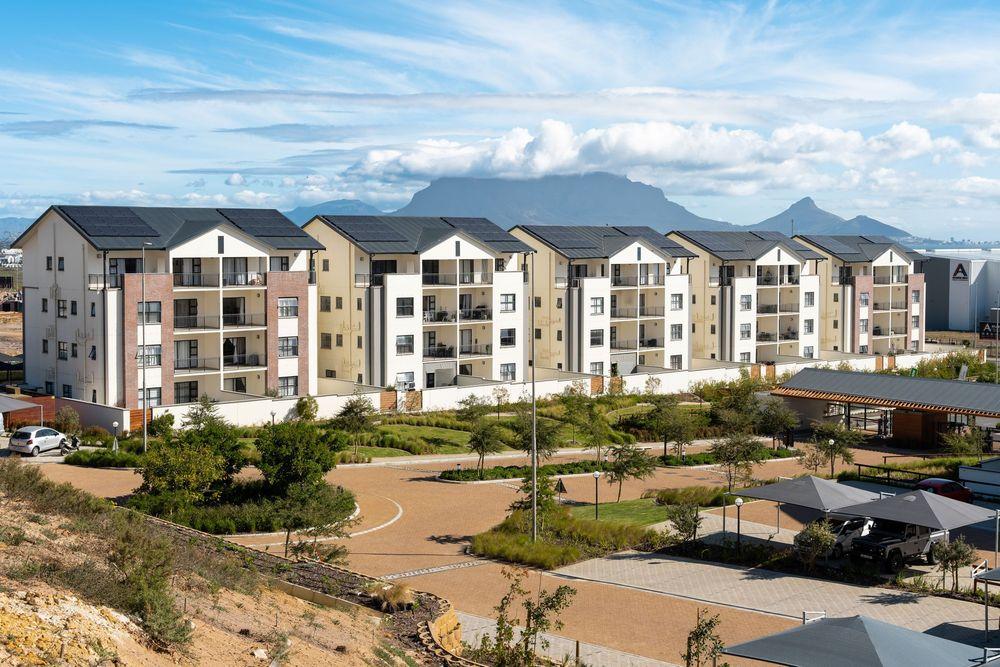
“South Africa’s rental market continues to experience demand, but financial pressure on households is making it harder for some prospective tenants to qualify for homes and meet monthly payments. Recent reporting highlights the importance of affordable rental supply, responsible tenant screening and careful management of property expenses as landlords and tenants navigate an increasingly demanding market.”
South Africa’s Rental Market Faces an Affordability Challenge as Household Debt and Property Costs Increase
South Africa’s residential rental market is entering a critical period in which strong demand for housing is being tested by household financial pressure, rising operating expenses and uneven affordability across provinces. Although rental growth has provided opportunities for property owners, the latest available market reporting indicates that a growing number of households are struggling to balance accommodation costs with other financial commitments. The challenge facing the sector is therefore not simply how much rent landlords can charge, but whether tenants can sustainably afford the homes available to them.
Rental Demand Remains Important to South Africa’s Housing Market
Residential renting continues to play an essential role in South Africa’s property sector. Many households rent because purchasing a home requires a deposit, access to mortgage finance and the ability to manage long-term borrowing costs. Others prefer renting because it offers flexibility when changing jobs, moving between cities or responding to changing family circumstances.
However, strong demand does not automatically mean that the rental market is financially healthy for everyone. Landlords may receive enquiries from numerous prospective tenants while discovering that some applicants cannot satisfy affordability requirements. Similarly, tenants may find properties that meet their needs but struggle to qualify because their salaries must also cover food, transport, electricity, education and outstanding debt.
Reporting published by The National on 26 September 2026 highlighted this tension, drawing attention to household financial pressure and the difficulties facing rental applicants. The findings suggest that landlords, property managers and policymakers need to consider the financial circumstances behind rental demand rather than relying exclusively on headline growth figures.
Rental Growth Reaches a New High
According to PayProp’s second-quarter 2026 Rental Index, South Africa recorded annual rental growth of 5.2%, while average monthly rent reached R9,715. This represented an increase of R497 compared with the same period a year earlier. The report described the quarter as the strongest period of quarterly rental growth in more than a year.
These figures indicate that the market has maintained momentum. Nevertheless, rising rent does not necessarily translate into greater profitability for landlords or improved affordability for tenants.
Property owners face several expenses that can reduce their actual returns, including mortgage repayments, municipal rates, levies, insurance, maintenance and letting fees. When these costs rise alongside rent, the financial benefit of charging more may be smaller than expected.
For tenants, even a relatively modest annual increase can create difficulties when wages do not increase at a similar pace. A household paying rent every month has limited flexibility when essential living expenses rise simultaneously.
Consequently, rental growth should be assessed alongside inflation, household income and the cost of maintaining residential properties. These factors collectively determine whether the sector can deliver sustainable returns while providing accommodation that tenants can afford.
The Western Cape Faces Distinctive Affordability Pressures
Provincial differences are particularly important when examining South Africa’s rental market. PayProp reported that the Western Cape recorded annual rental growth of 9.7% in the second quarter of 2026, with average monthly rent reaching R12,561.
The province’s rental performance reflects the importance of local demand and the availability of suitable housing. Cape Town and surrounding areas attract workers, students, families and people relocating from other provinces. However, demand for well-located accommodation can place pressure on rental prices, particularly when the supply of homes does not expand sufficiently.
For lower-income households, the consequences can be substantial. Renters who cannot afford properties near employment centres may need to consider smaller homes, shared accommodation or locations farther from their workplaces.
These alternatives can reduce housing expenses, but they may introduce additional transport costs, longer commuting times and other practical difficulties. Therefore, a property that appears cheaper on a monthly rental listing may not necessarily be the most affordable option when the complete cost of living is considered.
The challenge is to increase the supply of appropriately priced accommodation in areas with access to employment, education, transport and essential services.
Gauteng and KwaZulu-Natal Offer Different Rental Opportunities
Rental affordability also varies significantly between Gauteng, KwaZulu-Natal and the Western Cape. The National’s September reporting, drawing on industry commentary and rental-market data, highlighted how a R7,500 monthly budget can provide different housing options depending on the province.
In Gauteng and KwaZulu-Natal, a substantial share of available rental properties falls within the R5,000 to R7,500 monthly bracket. The same budget provides access to a more limited proportion of available stock in the Western Cape.
These differences matter to households deciding where to live and to investors evaluating potential rental properties. Regional employment patterns, transport connections, property prices and the availability of residential developments all influence the relationship between rents and demand.
Investors should therefore avoid assuming that a successful rental strategy in one province will produce identical results elsewhere. Understanding local tenant incomes, competing properties and vacancy patterns is essential before purchasing an investment property.
At the same time, provincial comparisons should not obscure differences between individual suburbs. A property in a well-connected employment centre may attract a different tenant profile and command a different rental price from a similar-sized property in an area with fewer amenities.
Household Debt Is Affecting Tenant Affordability
One of the most important concerns raised in recent rental-market reporting is the relationship between household debt and the ability to afford accommodation.
An applicant’s gross monthly salary provides only part of the financial picture. Existing credit agreements, personal loans, vehicle finance and credit-card repayments can significantly reduce the amount available for rent and other necessities.
As a result, landlords and rental agencies increasingly need to evaluate affordability carefully. Responsible screening can help identify whether applicants are likely to maintain regular payments, although screening should be conducted fairly and in accordance with applicable privacy and consumer-protection requirements.
The objective should not be to exclude applicants indiscriminately. Rather, it should be to make informed decisions using reliable information, consistent assessment criteria and transparent communication.
Tenants can also strengthen their applications by preparing accurate documentation, reviewing their monthly budgets and understanding the full financial commitment associated with a lease.
Importantly, financial difficulty should not automatically be interpreted as dishonesty or unwillingness to pay. A responsible rental market requires both effective risk management and fair treatment of prospective tenants.
Affordable Housing and Alternative Rental Models
The affordability challenge has increased interest in housing options beyond conventional suburban houses and apartments.
Backyard rental accommodation, shared housing and purpose-built rental developments can provide alternatives for people who cannot afford traditional properties in expensive areas. However, these arrangements must offer suitable living conditions, appropriate facilities and compliance with relevant municipal and housing requirements.
Shared accommodation can reduce individual housing expenses by distributing the cost of a property among several occupants. Purpose-built rental developments may also create opportunities to deliver smaller, more efficiently designed homes close to employment centres and public transport.
Nevertheless, affordability cannot be measured by rent alone. Safety, reliable water and electricity, adequate sanitation, privacy and access to essential services remain important considerations.
Property developers and investors should therefore assess the needs of the intended tenant market before deciding which housing format to build. Projects that combine realistic rental prices with convenient locations may serve both a commercial purpose and a broader housing need.
Public authorities also have a role to play through effective planning, infrastructure investment and clear development processes. Additional housing supply is most useful when it is located where people can realistically live and work.
Landlords Must Focus on Net Rental Income
Higher rental income can appear attractive, particularly when market reports show accelerating growth. However, landlords need to distinguish between gross rent and the money that remains after operating expenses.
Mortgage repayments, rates, levies, insurance, maintenance, vacancies and letting commissions can materially affect the performance of an investment. Unexpected repairs or periods without a paying tenant may further reduce returns.
Landlords should calculate realistic annual income rather than assuming that every month will be fully occupied. They should also maintain sufficient reserves for repairs and other unforeseen expenses.
A careful assessment should include the purchase price, financing arrangements, expected rent, operating expenses and the possibility of slower rental growth. Investors should also examine comparable properties and the financial strength of the local tenant market.
This approach can prevent owners from relying on optimistic rental projections that fail to reflect actual operating conditions.
Regular property maintenance is equally important. Addressing plumbing problems, electrical faults and other defects promptly can help protect the property’s value and maintain a constructive relationship with tenants.
Tenant Rights and Responsible Property Management
The long-term health of the rental sector depends on clear agreements and responsible conduct from both parties.
Written leases should explain the monthly rental amount, payment dates, deposit arrangements, responsibility for utilities, maintenance obligations and the procedures for ending the agreement. Both landlords and tenants should understand these terms before signing.
South Africa’s Rental Housing Act provides a framework for residential rental relationships, including provisions concerning deposits and the rights and obligations of landlords and tenants. Applicable legal procedures must also be followed when disputes arise.
Landlords should not resort to unlawful eviction, intimidation or the arbitrary removal of essential services to recover unpaid rent. Tenants, meanwhile, should communicate promptly when experiencing payment difficulties and should not assume that financial hardship automatically cancels their contractual obligations.
Property managers can help by maintaining accurate records, documenting inspections, responding to maintenance requests and addressing disputes early. Clear communication may prevent minor disagreements from developing into costly legal conflicts.
Outlook for South Africa’s Rental Property Sector
South Africa’s rental market continues to present opportunities, but the outlook will depend on the relationship between demand, household affordability and the cost of providing accommodation.
Recent rental data indicates that prices have continued to rise, particularly in the Western Cape. However, household debt and broader living expenses remain important constraints on tenants’ ability to absorb further increases.
For investors, the strongest opportunities may come from properties that serve clearly defined tenant markets, offer practical amenities and remain affordable relative to local incomes. Accurate budgeting and realistic expectations will be essential for maintaining sustainable returns.
For tenants, careful financial planning, comparison of available properties and a thorough understanding of lease conditions can help reduce the risks associated with renting. Households should consider transport, utilities and other expenses alongside the advertised rental amount.
For policymakers and developers, expanding the supply of safe, well-located and reasonably priced accommodation remains a central challenge. Better access to affordable homes could help reduce pressure on households while supporting a more resilient property sector.
Ultimately, the success of South Africa’s rental market cannot be measured by rental increases alone. Sustainable progress requires a balance between landlords’ ability to cover costs, tenants’ capacity to pay and the delivery of housing that meets genuine community needs.



