




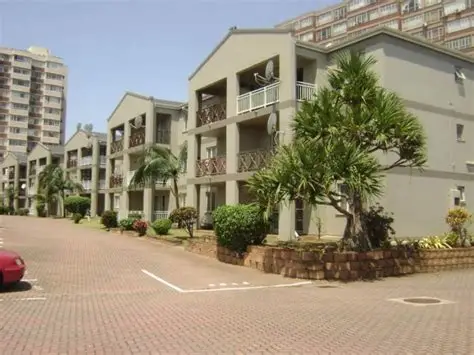
”South Africa’s rental property market in July 2026 is marked by a paradox: investors are enjoying some of the highest yields in years, while tenants are struggling with affordability as rents outpace wage growth. Gauteng and Cape Town have emerged as yield leaders, but the broader market reflects rising rents, stagnant wages, and shifting tenant priorities.”
The South African rental market in mid-2026 presents a striking duality. On one hand, investors are celebrating record yields, particularly in Gauteng and Cape Town. On the other, tenants are grappling with affordability challenges, forced into smaller units or shared housing as rents climb faster than wages. This dynamic underscores both opportunity and strain in the country’s real estate sector.
Gauteng: The Yield Capital
Gauteng continues to dominate rental yields, driven by its economic activity and tenant depth.
- Centurion apartments priced at R620,000 with rents of R7,600/month deliver 14.7% gross yield and 12.5% net yield.
- Other hubs such as Sandton, Rosebank, Bryanston, and Fourways show net yields between 9.7%–11.4%, supported by professional tenants and proximity to offices, hospitals, and retail hubs.
This performance makes Gauteng the most reliable rental-income region, attracting investors seeking consistent returns.
Cape Town: A Polarized Market
Cape Town’s rental landscape is more complex.
- Observatory and Woodstock deliver strong yields of 11.4% and 10.2% respectively.
- Lifestyle-driven suburbs like Sea Point and Green Point show weaker yields due to high purchase prices relative to rent.
- Premium suburbs such as Clifton and Camps Bay attract wealthy buyers, but rental yields are less compelling compared to Gauteng.
The city reflects a polarized market where coastal and premium urban areas command higher rents, while inland secondary markets remain more affordable.
Tenant Affordability Crisis
Average rents have climbed to R9,600 per month, outpacing wage growth.
- Load-shedding, water reliability, and municipal service delivery directly affect rental demand and pricing.
- Tenants increasingly prioritize properties with backup power, security, and proximity to schools/universities.
- Many are opting for smaller units or shared housing arrangements to cope with rising costs.
This affordability crisis is reshaping tenant behavior and preferences, with survival strategies becoming the norm.
Investment Signals
The best property type for investors remains 1- and 2-bedroom sectional-title apartments or townhouses.
- Investors are drawn to high-yield nodes in Gauteng and Cape Town.
- However, affordability risks could dampen demand if tenants continue to struggle.
- The South African Reserve Bank’s stabilization of interest rates has improved mortgage affordability, yet rental demand remains elevated as many households remain priced out of ownership.
Broader Economic Context
Following years of interest rate tightening, the SARB’s stabilization has created a more predictable environment for investors.
- Prime lending rate: 10.50%
- Repo rate: 7.00% This stability supports investor confidence, but households remain under pressure, unable to transition into ownership.
Conclusion
South Africa’s rental market in July 2026 is a tale of two realities. Investors are thriving with record yields, particularly in Gauteng and Cape Town. Tenants, however, face mounting affordability challenges, reshaping the rental landscape into one of high returns but strained households. The future of the sector will depend on balancing investor opportunity with tenant sustainability.



