




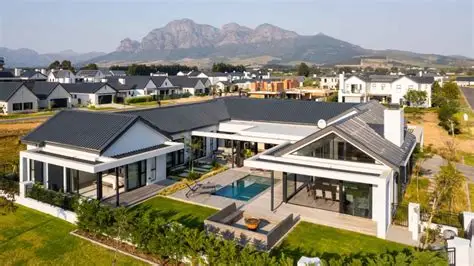
“South Africa’s residential property market in July 2026 shows modest national growth of 3.2%, but affordability ceilings are limiting expansion, especially in the luxury segment. First-time buyers now dominate over 51% of home loans, driving demand in entry-level and mid-range properties, while coastal and well-managed metros continue to outperform.”
The South African residential property market in July 2026 reflects a complex interplay of affordability, regional resilience, and shifting buyer demographics. With the South African Reserve Bank (SARB) holding the prime lending rate steady at 10.50% and the repo rate at 7.00%, the market is experiencing stability that fosters cautious optimism among buyers and sellers.
Interest Rate Stability and Buyer Confidence
- Stable borrowing costs have created predictability for households planning long-term investments.
- Banks including Absa, FNB, Nedbank, Standard Bank, and Investec are offering competitive mortgage packages, intensifying competition for first-time buyers.
- Analysts note that while stability is positive, affordability remains a hurdle, especially for households burdened by debt-to-income ratios exceeding 62%.
Price Movements: A Tale of Two Markets
- National average growth: 3.2% year-on-year.
- Coastal hotspots: Western Cape suburbs like Bloubergstrand and Durbanville report growth of 6.5%, while George and Knysna in the Garden Route show 5.8% appreciation.
- Gauteng: More moderate growth at 2.1%, though select nodes like Sandton remain resilient.
First-Time Buyers Dominate
- For the first time in over a decade, first-time buyers account for 51.6% of home loans.
- Average purchase price: R1.305 million.
- Aggressive bank lending, including 100%+ loans, has reduced deposit requirements, making entry-level homes more accessible.
- Properties below R1.5 million are selling faster, with average listing times of 64 days.
Regional Highlights
- Cape Town: Strong demand for family homes and investment properties, particularly in suburbs with short-term rental potential.
- Johannesburg: Niche growth in secure estates and modern apartments, appealing to professionals.
- Durban: Beachfront properties in Umhlanga and Ballito attract both domestic and international buyers.
Challenges and Risks
- Affordability ceiling: National house price growth (3.4%) lags behind inflation (5.1%), meaning real property values are declining.
- Luxury market slowdown: Longer listing times and reduced transaction volumes.
- Infrastructure reliability: Buyers increasingly prioritize well-run municipalities and off-grid features like solar and boreholes.
Outlook
The residential property market in South Africa is shifting towards inclusivity, with first-time buyers reshaping demand patterns. While luxury segments face headwinds, entry-level and mid-range properties remain resilient, supported by bank lending and regional migration trends. Analysts predict continued regional divergence, with coastal and well-managed metros outperforming national averages.



