




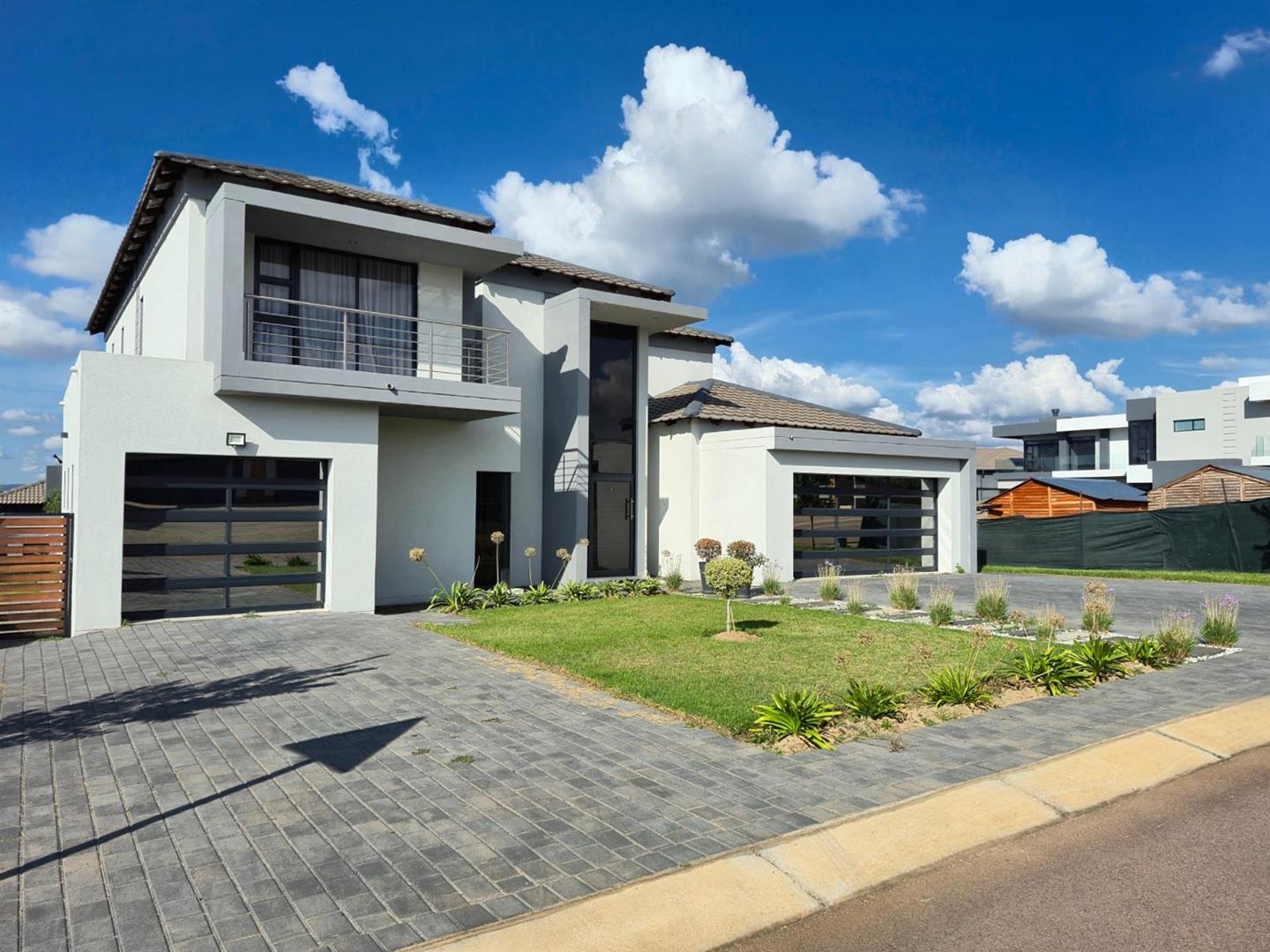
“South Africa’s housing market is recovering steadily in 2026, with national property prices up 4.3% year-on-year and affordability boosted by declining interest rates. Cape Town and prime coastal towns lead growth, while Gauteng and KwaZulu-Natal show renewed activity, reflecting a geographically broadening recovery.”
South Africa’s residential property market in 2026 is experiencing a cautious but steady recovery. According to the First National Bank (FNB) Repeat Sales House Price Index, prices rose by 4.9% in October 2025 compared to the previous year, marking one of the strongest growth rates since 2022. Adjusted for inflation, prices increased by 1.25% year-on-year, reversing a multi-year decline.
The average residential purchase price in South Africa now stands at R1.7 million ($90,000), with property values ranging between R700,000 and R3 million, depending on location and type. Coastal regions such as Cape Town and the Garden Route command significantly higher prices, while inland provinces remain more affordable.
Regional Trends
- Western Cape: Continues to lead growth, fueled by strong demand fundamentals and international interest. Cape Town’s housing market remains the most resilient, with properties selling faster and often closer to asking price.
- Gauteng: Previously stagnant, now showing signs of recovery as affordability improves and more buyers return.
- KwaZulu-Natal: Experiencing renewed demand, particularly in Durban’s residential suburbs, supported by infrastructure upgrades and lifestyle appeal.
Buyer Activity
The FNB Estate Agents Survey reported increased market activity in late 2025, with the Activity Index rising to 6.0. First-time buyers are gradually returning, encouraged by lower mortgage rates and improved affordability. The affordable housing segment, defined as properties below R750,000, showed stronger performance compared to traditional markets.
Mortgage and Affordability
Mortgage rates have declined from 10.25% in late 2025 to around 6.75% in early 2026, significantly improving affordability. This drop has shortened the average days-on-market for residential properties to 75–90 days, compared to longer selling times in previous years.
Market Challenges
Despite recovery, challenges remain:
- Regional disparities: Coastal towns outperform inland suburbs, creating uneven growth.
- Price sensitivity: Most properties sell below asking price, with discounts of 5–10% common.
- Economic uncertainty: Inflationary pressures and employment trends could affect long-term stability.
Outlook for 2026
Experts forecast continued moderate growth, with property prices expected to rise between 4–5% over the next 12 months. The market is unlikely to experience a speculative boom, but steady demand, particularly in affordable housing and coastal regions, will sustain momentum.



