




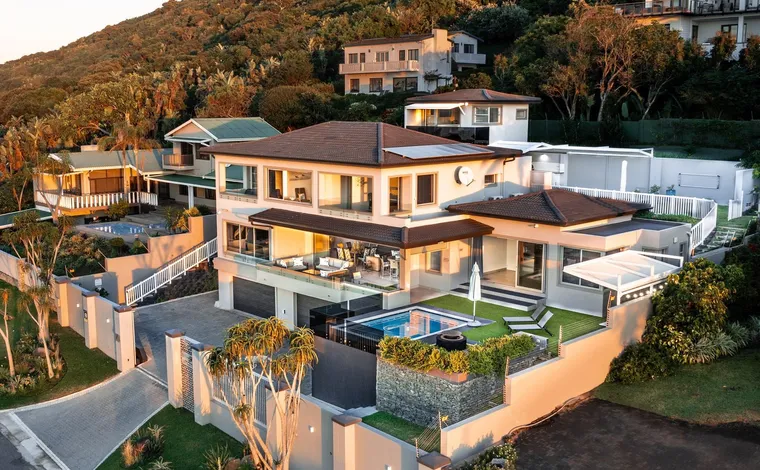
“South Africa’s residential property market in August 2026 is being reshaped by first-time buyers, who now represent the majority of home loan applications. Stable interest rates, government subsidies, and transfer duty exemptions are fueling demand in the affordable housing segment, particularly in urban and suburban hotspots.”
The South African residential property market has entered a transformative phase in August 2026. For the first time in decades, first-time buyers (FTBs) have become the majority, accounting for 53.2% of all home loan applications. This shift signals a generational change in property ownership, driven by affordability measures, government support, and a stable—though elevated—interest rate environment.
Economic Context
The South African Reserve Bank (SARB) has maintained the repo rate at 7.00%, translating to a prime lending rate of 10.50%. While high compared to pre-pandemic levels, this stability has created predictability for buyers and lenders. Inflationary pressures have eased slightly, allowing households to plan with greater confidence.
Affordable Housing Boom
The most active segment remains properties priced below R1.5 million, buoyed by the R1.1 million transfer duty exemption and subsidies such as FLISP (Finance Linked Individual Subsidy Program). This has concentrated demand in urban and suburban hotspots, particularly in Gauteng, Cape Town’s peripheries, and Durban’s growing suburbs.
Buyer Demographics
The surge is largely driven by young South Africans aged 25–34, who are entering the market earlier than previous generations. Their confidence is bolstered by competitive mortgage packages from major banks like Absa, FNB, Nedbank, and Standard Bank, which are actively lending despite the elevated interest rate environment.
Regional Hotspots
- Cape Town & Western Cape: Premium markets remain strong, but semigration trends are pushing demand into surrounding suburbs.
- Gauteng: Entry-level housing below R1.5 million is thriving, particularly in mixed-use developments.
- KwaZulu-Natal: Coastal suburbs are seeing steady growth, driven by lifestyle appeal and affordability.
Market Data Snapshot
- National property price inflation: +3.8% YoY
- Average purchase price for FTBs: R1.35 million
- Household debt-to-income ratio: 62.5%
- Affordable housing growth rate: 6–8% annually
Challenges
Despite optimism, challenges remain. Household debt levels are high, and affordability is stretched for many middle-income families. Supply constraints in affordable housing continue to push prices upward, creating competition among buyers.
Outlook
Analysts predict that the dominance of first-time buyers will continue into 2027, reshaping the residential property landscape. Developers are expected to pivot toward affordable housing projects, while banks will likely expand tailored mortgage products for younger buyers.
Conclusion
The South African residential property market in August 2026 is defined by first-time buyer dominance, stable interest rates, and strong demand for affordable housing. This marks a pivotal moment in the country’s housing sector, signaling both opportunities and challenges for buyers, lenders, and developers alike.



