




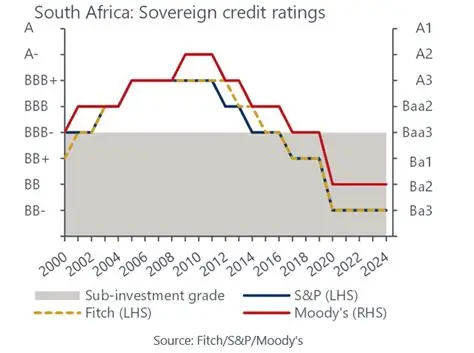
“South Africa’s corporate tax collections hit R101.8 billion in June 2026, a sharp increase from R81.4 billion a year earlier, signaling stronger fiscal health. Rating agencies like Moody’s and S&P Global are now considering upgrades, which could reduce borrowing costs and stabilize the rand.”
South Africa’s fiscal landscape has long been characterized by volatility, debt pressures, and investor skepticism. However, the latest corporate tax revenue figures released by the National Treasury mark a significant turning point. With R101.8 billion collected in June 2026, the government’s fiscal position has strengthened, prompting renewed optimism about the country’s macroeconomic trajectory.
Revenue Surge and Fiscal Context
- Corporate income tax collections rose from R81.4 billion in June 2025 to R101.8 billion in June 2026.
- For the first quarter of the 2026/27 fiscal year, collections reached R105.8 billion, compared to R84.7 billion in the same period last year.
- The full-year budget estimate now stands at R364.3 billion, surpassing the preliminary outcome of R345.4 billion in 2025/26.
This surge reflects stronger profitability in mining and manufacturing sectors, improved compliance, and enhanced efficiency in tax administration.
Ratings Agencies React
- Moody’s revised South Africa’s outlook from stable to positive in May 2026.
- S&P Global Ratings upgraded South Africa by one notch in November 2025, the first such move in nearly two decades.
- Goldman Sachs economists now expect further upgrades within the next year, citing “gradually strengthening fiscal performance.”
A sovereign ratings upgrade would reduce borrowing costs, improve investor sentiment, and stabilize the rand against global volatility.
Macroeconomic Implications
- Debt Stabilization: With debt-to-GDP projected to peak at 78.9% in 2025/26, stronger revenues provide breathing room for fiscal consolidation.
- Investor Confidence: Improved ratings could attract foreign direct investment, particularly in infrastructure and energy.
- Currency Stability: A stronger fiscal position reduces pressure on the rand, mitigating inflationary risks from imported goods.
Risks and Challenges
Despite the positive momentum, several risks remain:
- Commodity Dependence: Much of the revenue surge is mining-backed; global commodity price fluctuations could reverse gains.
- Spending Discipline: South Africa’s history of fiscal slippage raises concerns about whether the government can sustain discipline.
- Structural Bottlenecks: Logistics inefficiencies, energy shortages, and governance challenges continue to constrain growth.
Policy Outlook
The government has pledged to channel revenues into:
- Infrastructure investment (energy, logistics, municipal upgrades).
- Tax relief measures for households and small businesses.
- Debt reduction strategies to stabilize long-term fiscal health.
Conclusion
South Africa’s unexpected tax windfall represents a rare moment of fiscal optimism. If sustained, it could mark the beginning of a new era of macroeconomic stability, with stronger ratings, lower borrowing costs, and improved investor confidence. However, the durability of this turnaround hinges on disciplined fiscal management and structural reforms.



