




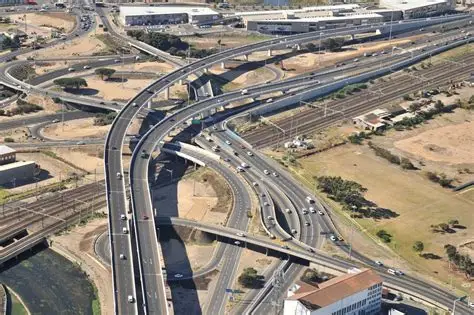
“Heavy snowfall, icy conditions, and strong winds have forced road closures and disrupted travel across multiple provinces in South Africa. Authorities are urging motorists to exercise patience and cooperate with emergency services as teams work to keep critical routes open.”
South Africa’s transport sector is grappling with one of the harshest winter weather events in recent years. On August 18, 2026, severe snowfall, freezing rain, and strong winds swept across several provinces, crippling road networks, delaying freight movement, and straining emergency response systems. The South African Weather Service (SAWS) issued an Orange Level 6 warning for disruptive snow, highlighting the seriousness of the situation.
Impact on Road Transport
- Eastern Cape & Free State: Major routes such as the N6 Penhoek Pass and the R58 between Lady Grey and Barkly East were temporarily closed due to heavy snow accumulation. Although graders cleared sections, motorists are advised to proceed with extreme caution.
- KwaZulu-Natal & Free State: The N3 corridor, particularly around Van Reenen and Oliviershoek Pass, remains treacherous with sleet, ice, and reduced visibility. Emergency teams are spraying brine to prevent black ice formation.
- Northern & Western Cape: Strong winds prompted a Yellow Level 2 warning, reducing visibility and creating hazardous driving conditions.
Public Transport Disruptions
Public transport operators, including bus and taxi services, reported delays and cancellations. Rail corridors in the Free State and Eastern Cape experienced interruptions as snow and ice affected track safety. This has had a ripple effect on budget-conscious travelers, many of whom rely on affordable bus and rail services for inter-provincial travel.
Freight & Logistics Challenges
The freight sector faces mounting challenges:
- Cargo delays due to closed highways.
- Increased costs from rerouting and extended travel times.
- Fleet safety concerns, with operators urged to prioritize driver wellness and fatigue management. The Road Freight Association (RFA) highlighted these issues during its Transport Forum today, emphasizing the need for predictive safety technologies and stricter compliance with AARTO regulations.
Government Response
The National Disaster Management Centre, provincial authorities, and traffic officials are coordinating efforts to manage closures and reopen routes where possible. The government has appealed to motorists not to bypass barriers or attempt unsafe detours, stressing that closures are implemented to save lives.
Economic & Social Implications
Transport disruptions have broader consequences:
- Tourism impact: Budget travelers face cancellations and increased costs, undermining South Africa’s efforts to promote affordable domestic tourism.
- Economic slowdown: Freight delays affect supply chains, particularly in agriculture and retail.
- Community strain: Rural communities dependent on road access for essential goods and services are experiencing shortages.
Long-Term Considerations
This event underscores the need for:
- Resilient infrastructure investment in road and rail networks.
- Improved weather preparedness, including predictive modeling and early-warning systems.
- Budget transport strategies to ensure affordable, safe travel options during crises.
Conclusion
South Africa’s transport system is under immense pressure from severe winter weather, highlighting vulnerabilities in both passenger and freight mobility. While emergency teams work tirelessly to restore access, the incident serves as a reminder of the importance of infrastructure resilience, fleet safety, and coordinated disaster management. For budget travelers, the disruptions are particularly challenging, reinforcing the need for affordable, reliable alternatives in times of crisis.



