




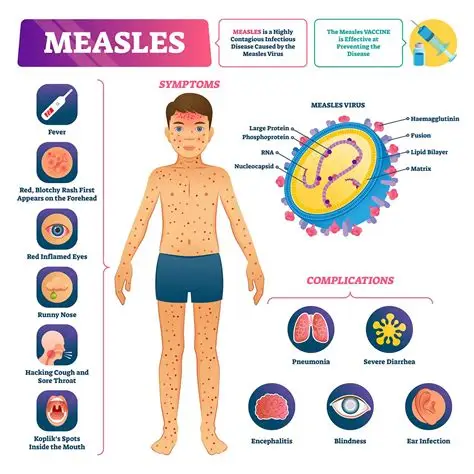
“South Africa has reported a sharp increase in measles and rubella cases, with thousands of infections spreading across multiple provinces. Health authorities are urging intensified vaccination drives and community engagement to prevent further escalation and protect vulnerable populations.”
South Africa is facing a growing public health challenge as measles and rubella cases continue to rise across the country. The National Institute for Communicable Diseases (NICD) has confirmed 4,188 measles cases and 506 rubella cases between December 2025 and August 2026. The outbreaks highlight the urgent need to strengthen vaccination coverage, improve surveillance, and address vaccine hesitancy among communities.
Current Situation
- Measles cases: 125 new infections were reported in the last week of August 2026.
- Rubella cases: 10 new infections were confirmed, mostly among children aged 1–14 years.
- Hotspots: Limpopo, Gauteng, and Northern Cape recorded the highest increases.
These figures underscore the rapid spread of highly contagious viral diseases that can cause severe complications, especially in children and pregnant women.
Public Health Response
Authorities are implementing several measures:
- Enhanced surveillance: Clinicians are urged to promptly investigate suspected cases and submit blood specimens for laboratory confirmation.
- Community engagement: Campaigns are being rolled out to build trust in vaccines, involving community leaders and healthcare workers.
- Vaccination drives: The measles-rubella (MR) vaccine is being promoted as the most effective preventive measure.
Risks and Implications
- Measles: Can lead to pneumonia, encephalitis, and death in severe cases.
- Rubella: Though mild in most children, it poses grave risks during pregnancy, potentially causing Congenital Rubella Syndrome (CRS), which results in birth defects such as deafness, heart problems, and developmental delays.
Challenges
- Vaccine hesitancy: Misinformation and distrust in health systems remain barriers.
- Resource allocation: Limited healthcare infrastructure in rural provinces slows response efforts.
- Cross-border risks: Movement of people between provinces and neighboring countries increases transmission potential.
Expert Opinions
Health experts emphasize that vaccination coverage must exceed 95% to achieve herd immunity. Current coverage in some provinces remains below this threshold, leaving communities vulnerable.
Community Impact
Parents are increasingly concerned about sending children to school amid outbreaks. Schools and clinics are being urged to strengthen awareness campaigns and ensure vaccination records are up to date.
Government Action
The Department of Health has pledged to expand vaccination access, particularly in underserved areas. Mobile clinics are being deployed, and partnerships with NGOs are being strengthened to reach remote communities.
Conclusion
South Africa’s measles and rubella outbreaks serve as a stark reminder of the importance of vaccination in preventing deadly diseases. With thousands of infections already confirmed, the country must act decisively to protect its population, especially children and pregnant women. Sustained public health interventions, community trust-building, and widespread vaccination are critical to halting the spread and achieving national elimination goals.



