




“The United States government has announced plans to gradually withdraw its $400 million annual funding for HIV and AIDS programmes in South Africa, citing political concerns and the country’s capacity to self-finance. South Africa’s Health Ministry insists that antiretroviral drug provision will remain unaffected, but the decision raises questions about the sustainability of HIV prevention and treatment in the world’s most affected nation.”
South Africa, home to more than eight million people living with HIV—the highest number globally, faces a seismic shift in its healthcare policy landscape following the United States’ announcement that it will withdraw funding for HIV and AIDS programmes. For nearly two decades, South Africa has relied heavily on support from the President’s Emergency Plan for AIDS Relief (PEPFAR), which contributed approximately $400 million annually, accounting for nearly 20% of the nation’s HIV spending. The sudden decision by Washington to phase out this support has sparked widespread concern among healthcare professionals, policymakers, and civil society groups.
The US State Department justified the move by citing South Africa’s classification as a middle-income country, arguing that it has the capacity to finance its own health programmes. However, the withdrawal is also politically charged. Officials linked the decision to Pretoria’s failure to address concerns raised by the Trump administration regarding the treatment of the country’s white minority Afrikaner community. This intertwining of healthcare policy with geopolitical tensions underscores the fragility of international aid relationships and their susceptibility to political disputes.
South Africa’s Health Ministry responded cautiously, noting that it had not received official notification but emphasizing that the government has already been working to reduce dependence on foreign support. Importantly, the ministry reassured citizens that life-saving antiretroviral drugs (ARVs)—the backbone of HIV treatment—are largely funded domestically and will not be affected by the US decision. This statement aims to calm fears of immediate disruption, but experts warn that the broader implications for prevention, testing, and community outreach programmes could be significant.
For years, PEPFAR has been instrumental in supporting grassroots initiatives, from mobile testing clinics to educational campaigns targeting vulnerable populations. The withdrawal of funding threatens to undermine these efforts, potentially reversing hard-won gains in reducing HIV transmission rates. Healthcare activists argue that while South Africa has made strides in financing ARV provision, prevention programmes remain heavily reliant on external support. Without sustained investment, the risk of rising infection rates looms large.
The timing of the announcement is particularly sensitive. South Africa is in the midst of expanding its National Health Insurance (NHI) system, a massive policy reform aimed at achieving universal healthcare coverage. The NHI rollout already faces challenges related to infrastructure, staffing, and financing. The loss of US support adds another layer of complexity, forcing policymakers to reconsider budget allocations and prioritize HIV programmes within a strained fiscal environment.
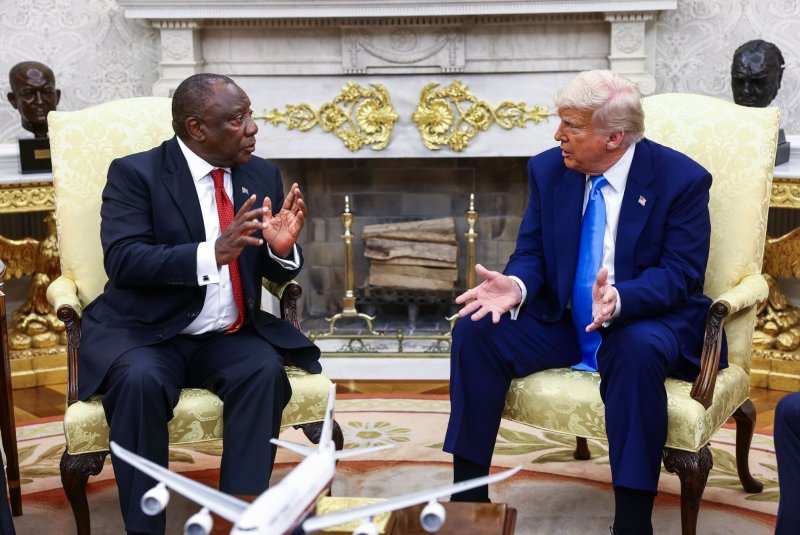
Relations between Washington and Pretoria have deteriorated in recent years over several issues, including South Africa’s foreign policy positions and its domestic policies aimed at addressing inequalities rooted in apartheid. President Trump has repeatedly accused South Africa of failing to protect Afrikaners, a claim the government has rejected. The linkage of these political grievances to healthcare funding raises ethical questions about the use of aid as leverage in international diplomacy.
Civil society organizations have vowed to pressure the South African government to fill the funding gap. Advocacy groups stress that HIV is not merely a medical issue but a social and economic one, with profound implications for productivity, poverty, and inequality. They warn that any disruption in services could disproportionately affect marginalized communities, exacerbating existing disparities.
Looking ahead, South Africa faces a dual challenge: maintaining momentum in its fight against HIV while navigating the geopolitical fallout of the US decision. The government’s ability to mobilize domestic resources, strengthen partnerships with other international donors, and innovate in healthcare delivery will determine whether it can sustain progress. The situation also highlights the need for African nations to build resilient health systems less dependent on external funding, ensuring that critical programmes are shielded from political turbulence abroad.
In the words of one healthcare activist, “This is a wake-up call. We must ensure that our fight against HIV is not hostage to foreign politics.” As South Africa confronts this turning point, the stakes could not be higher—for millions of citizens whose lives depend on continued access to prevention and treatment, and for the broader vision of equitable healthcare in the country.



