




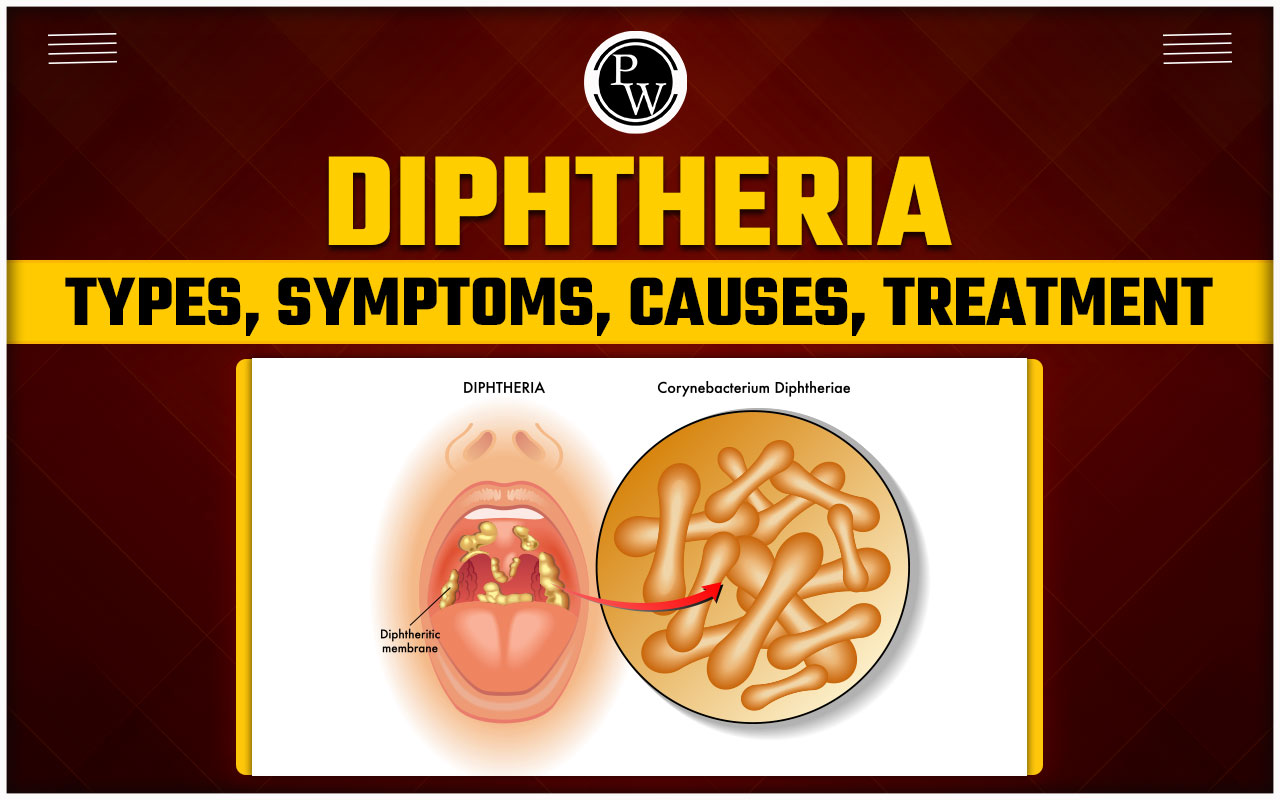
“The NICD has released a situational report confirming an increase in diphtheria cases across South Africa, raising alarms about gaps in vaccination coverage. Health authorities are urging immediate action to strengthen immunization drives and public awareness to prevent further spread.”
Rising Threat of Diphtheria in South Africa
South Africa’s National Institute for Communicable Diseases (NICD) has sounded the alarm over a growing outbreak of diphtheria, a vaccine-preventable bacterial infection that can cause severe respiratory illness and, in some cases, death. The latest situational report, published on June 19, 2026, reveals a concerning uptick in cases across several provinces, prompting urgent calls for renewed vaccination campaigns and heightened public vigilance.
What is Diphtheria?
Diphtheria is caused by Corynebacterium diphtheriae, a bacterium that produces a toxin leading to inflammation of the throat and upper airways. Symptoms often begin with sore throat, fever, and swollen glands, but the disease can quickly progress to life-threatening complications such as airway obstruction, myocarditis, and nerve damage. Historically, diphtheria was a major killer before the advent of widespread immunization, but lapses in vaccine coverage have allowed sporadic outbreaks to re-emerge globally.
Current Situation in South Africa
According to NICD data, the outbreak has been detected in multiple provinces, with clusters of cases linked to communities where vaccination rates are below recommended thresholds. The report highlights that while South Africa’s Expanded Programme on Immunisation (EPI) has achieved significant success in reducing childhood diseases, recent disruptions—including pandemic-related healthcare strain and vaccine hesitancy—have created vulnerabilities.
The NICD warns that without swift intervention, the outbreak could escalate, particularly in densely populated urban areas and rural communities with limited healthcare access. Surveillance teams are actively tracing contacts, testing suspected cases, and monitoring hospitals for severe presentations.
Government and Public Health Response
The Department of Health has announced plans to intensify vaccination drives, focusing on children and adolescents who may have missed routine immunizations. Mobile clinics are being deployed to underserved areas, while public awareness campaigns are being rolled out to counter misinformation about vaccines.
President Cyril Ramaphosa, speaking earlier this week in the context of broader continental health challenges, emphasized the importance of solidarity and preparedness in tackling infectious diseases. His remarks, though focused on the Ebola outbreak in neighboring countries, resonate strongly with South Africa’s current diphtheria situation: delayed action can transform a localized outbreak into a national crisis.
Regional Context and Risks
South Africa’s diphtheria outbreak comes at a time when the continent is grappling with multiple health emergencies, including Ebola in the Democratic Republic of Congo and Uganda, and seasonal surges of influenza and respiratory syncytial virus (RSV). These overlapping challenges strain healthcare systems and highlight the interconnectedness of disease control efforts.
Experts caution that diphtheria, though preventable, can spread rapidly in communities with low immunity. Cross-border travel and migration further complicate containment, underscoring the need for regional cooperation in surveillance and response.
Public Guidance
Health authorities are urging South Africans to:
- Check vaccination records and ensure children are up to date with diphtheria-containing vaccines.
- Seek medical care promptly if experiencing symptoms such as sore throat, difficulty breathing, or swollen neck glands.
- Support community awareness efforts by sharing accurate information and countering myths about vaccines.
Looking Ahead
The NICD’s situational report serves as a stark reminder that vaccine-preventable diseases remain a threat when immunization coverage falters. South Africa’s response will test the resilience of its public health infrastructure and the willingness of communities to embrace preventive measures.
If vaccination campaigns succeed in closing immunity gaps, the outbreak could be contained swiftly. However, failure to act decisively risks not only prolonged transmission but also the erosion of public trust in health systems.
As South Africa confronts this challenge, the message is clear: vigilance, vaccination, and collective responsibility are the keys to safeguarding public health.



