




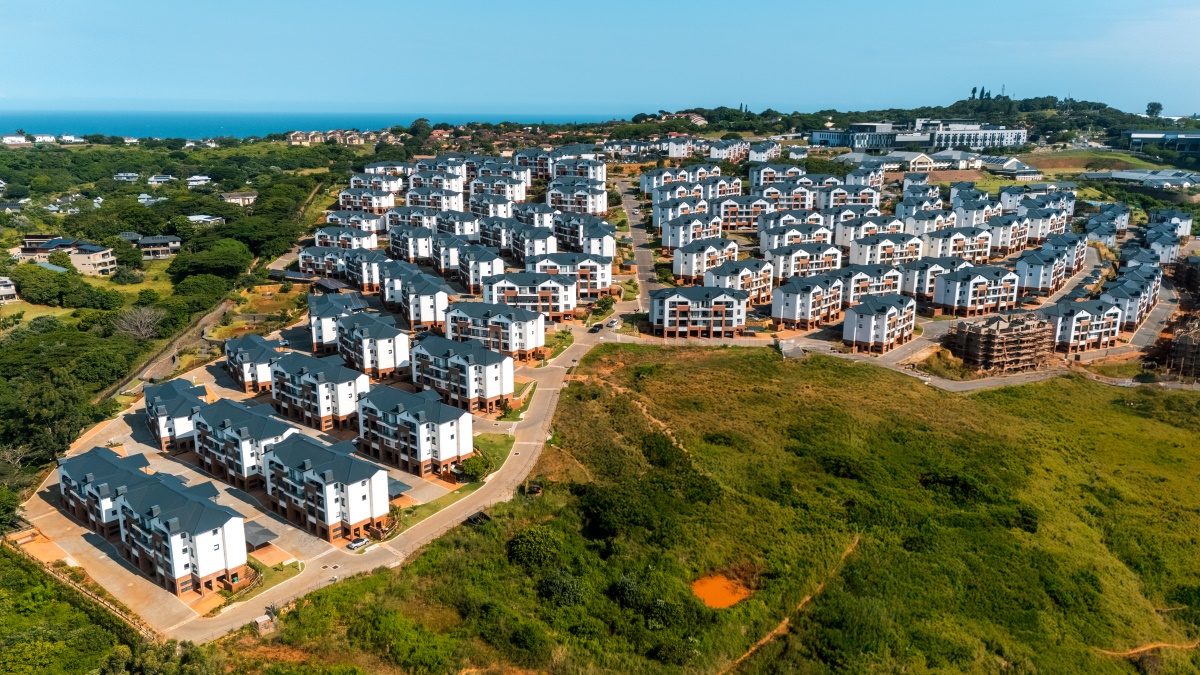
“South Africa’s property market has reached a turning point in September 2026, with first-time buyers driving demand for affordable land and residential properties below R1.5 million. This surge, supported by aggressive bank lending and infrastructure-driven preferences, is redefining the country’s real estate development landscape.”
South Africa’s real estate sector in September 2026 is undergoing a profound transformation. For the first time in over a decade, first-time buyers account for more than half of all bond applications (51.6%), reshaping demand patterns and influencing the trajectory of property development. This demographic shift is particularly evident in the affordable housing and land segments, where properties priced below R1.5 million remain resilient despite broader market slowdowns.
Market Dynamics
- Affordability Ceiling: National house price growth slowed to 3.4%, below the inflation rate of 5.1%, signaling stretched household budgets.
- Prime Lending Rate: Held steady at 10.50%, while the repo rate remains at 7.00%, creating a challenging borrowing environment.
- Resilient Segment: Properties priced below R1.5 million remain buoyant, supported by bank appetite for lending and reduced deposit requirements.
Drivers of Demand
- Flight to Functionality: Buyers prioritize areas with reliable municipal services, water security, and energy resilience.
- Off-Grid Appeal: Plots with boreholes, solar installations, and independent utilities are selling faster and at higher prices.
- Bank Incentives: Aggressive lending policies, including 100%+ loans, have lowered barriers to entry.
Regional Highlights
- Western Cape: Strong demand for serviced land and residential plots due to governance and infrastructure reliability.
- Gauteng: Affordable land continues to attract buyers priced out of Cape Town.
- KwaZulu-Natal: Coastal plots remain popular, though infrastructure challenges temper growth.
Challenges
- Household Debt: Debt-to-income ratio stands at 62.8%, limiting purchasing power.
- Market Slowdown: Properties remain on the market for an average of 64 days, reflecting cautious buyer sentiment.
Outlook
Analysts predict that if inflation continues to ease, modest rate cuts could occur in late 2026, potentially boosting affordability. However, the current surge of first-time buyers is already reshaping the land and real estate market, signaling a democratization of ownership and a shift toward functional, affordable property investments.
Key Takeaways
- First-time buyers dominate (51.6%) – unprecedented demographic shift.
- Affordable housing below R1.5 million is the most resilient segment.
- Infrastructure reliability and off-grid features drive demand.
- Western Cape leads due to governance efficiency, while Gauteng and KwaZulu-Natal show regional variations.
- Debt pressures and high interest rates remain challenges, but outlook suggests possible relief by late 2026.



