




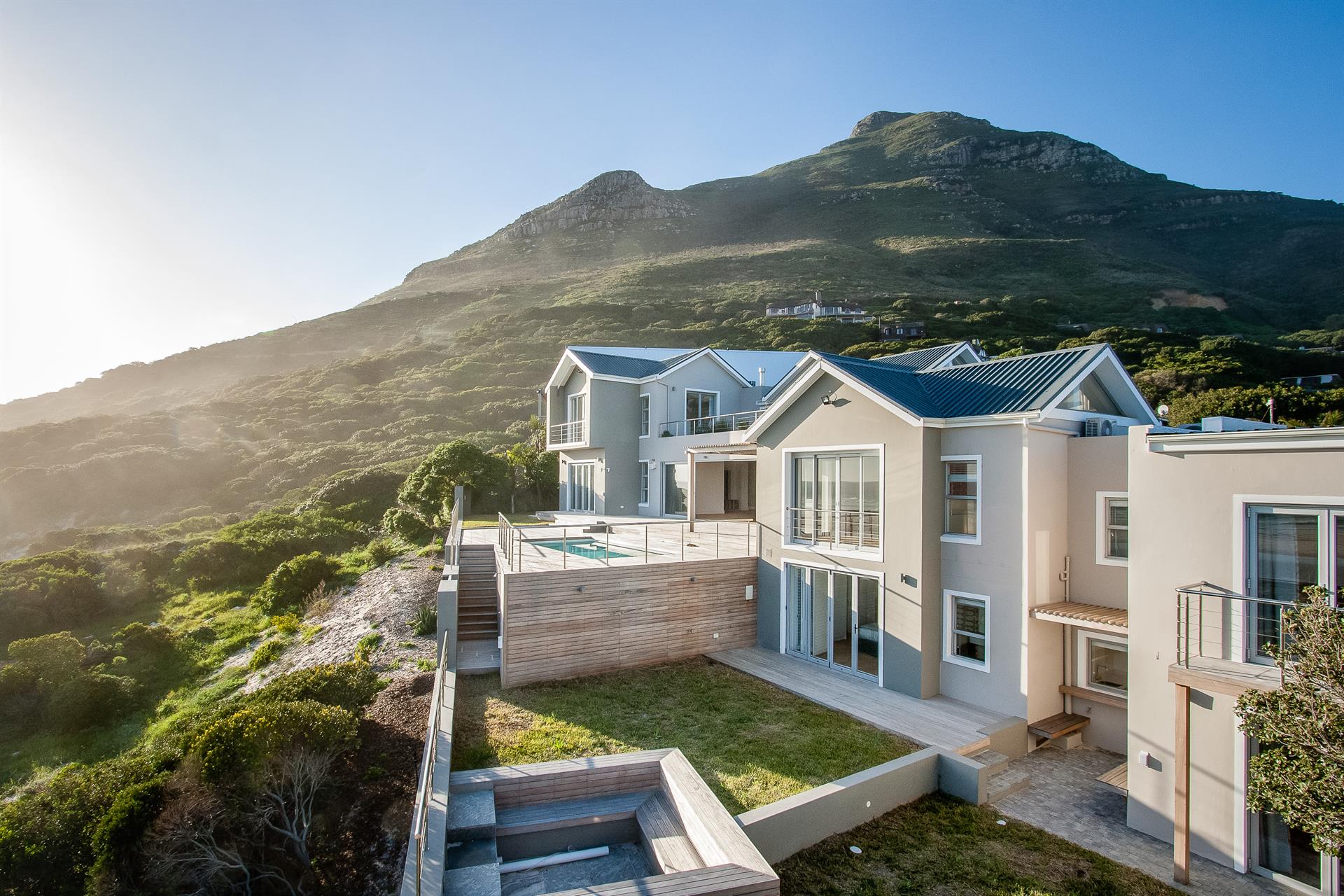
“South Africa’s rental housing market in September 2026 is entering a dynamic phase, with Gauteng and Cape Town delivering the strongest yields amid rising demand for smaller, affordable units. Coastal regions like Durban and Umhlanga face weaker yields due to seasonal demand and municipal service delivery risks.”
South Africa’s rental real estate market has become one of the most closely watched sectors in September 2026. With interest rates at multi-year highs, affordability challenges are reshaping tenant behavior and investor strategies. Gauteng and Cape Town have emerged as the strongest performers, while coastal regions face structural risks that dampen yields.
National Rental Trends
- Average rent nationwide: R9,300–R9,582/month (+5% YoY).
- Vacancy rate: ~5%, giving landlords moderate pricing power.
- Tenant drivers: Access to schools, transport hubs, and backup power systems (adding R500–R1,500 to achievable rents).
- Demand shift: Smaller, more affordable 1- and 2-bedroom sectional-title apartments are increasingly popular.
This reflects a broader trend toward affordability and practicality, as tenants prioritize convenience and resilience in the face of ongoing infrastructure challenges.
Gauteng: The Yield Powerhouse
- Centurion: Leading the nation at 12.5% net yield.
- Sandton, Rosebank, Bryanston, Fourways: Deliver yields between 9.7–11.4%.
- Family suburbs like Bryanston: Command 30%+ rental premiums due to proximity to top schools.
Gauteng continues to dominate the rental market, driven by a deep tenant pool fueled by corporate presence and reliable infrastructure compared to other provinces.
Cape Town: A Polarized Market
- Woodstock and Observatory: Thriving with 10–11% yields, driven by student and professional demand.
- Clifton, Camps Bay, Sea Point, Green Point: Lower yields but strong resale appeal due to lifestyle-driven demand.
This polarization highlights Cape Town’s unique blend of luxury lifestyle nodes and yield-focused mid-tier suburbs.
Coastal Risks
- Durban, Umhlanga, Ballito: Show weaker yields due to seasonal demand fluctuations, high levies, and maintenance costs.
- Municipal service delivery risks: Increase vacancy exposure.
While coastal properties remain attractive for capital preservation and lifestyle appeal, investors face higher vacancy exposure.
Investor Confidence & Market Indicators
- Rental households: Rose from 17% (2019) to 25.8% (2025).
- Absa Homeowner Sentiment Index (Q1 2026): 48% of respondents believe property investment offers good returns; 41% see strong rental demand.
This data underscores the growing importance of rental housing as a long-term investment strategy.
Macro-Economic Context
High interest rates have capped speculative buying, but they have also increased rental demand as households delay ownership. Investors are focusing on sustainable yields rather than capital appreciation.
Conclusion
South Africa’s rental real estate market in September 2026 is defined by resilience in Gauteng and Cape Town, affordability-driven tenant demand, and structural risks in coastal regions. For investors, the key lies in balancing yield opportunities with long-term sustainability, while tenants continue to prioritize affordability, convenience, and infrastructure reliability.



