




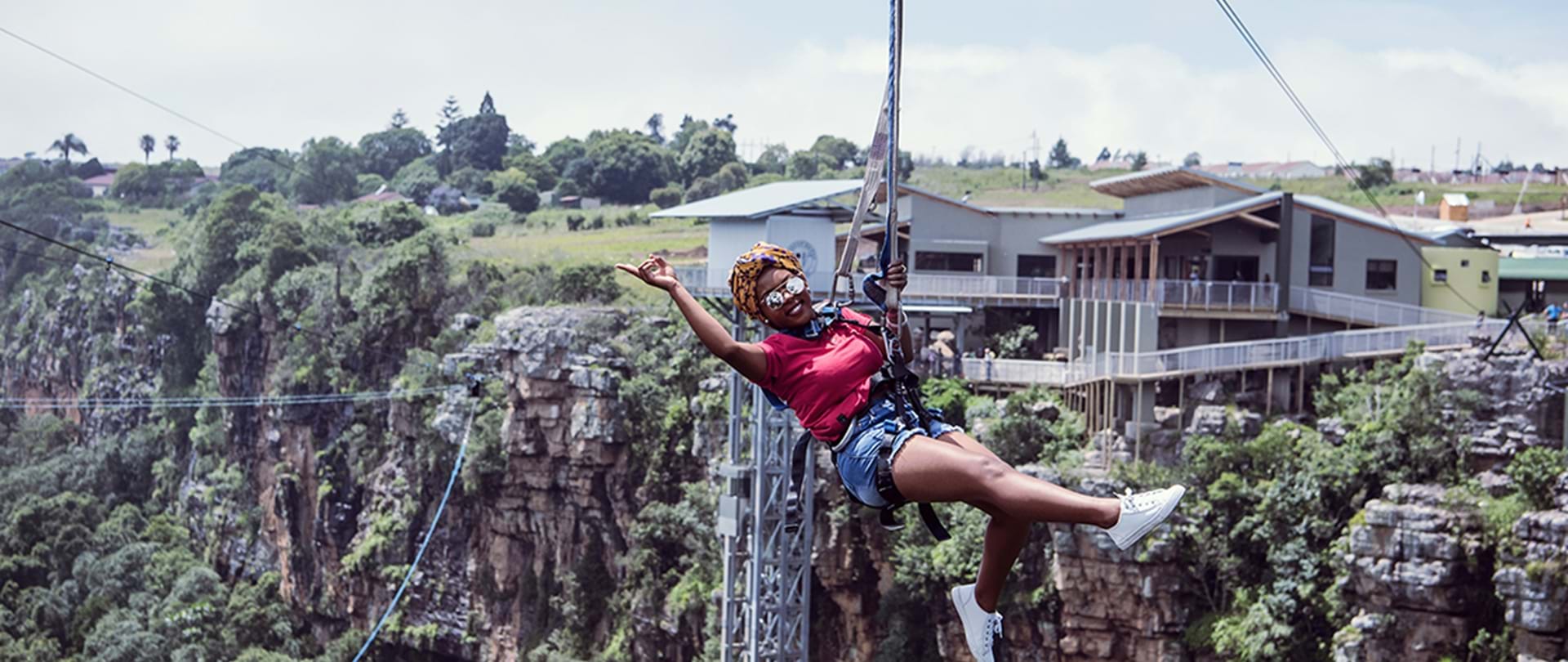
“Sho’t Left Travel Week 2026 democratized adventure travel in South Africa by offering unprecedented discounts and free access to national parks, enabling millions of locals to explore safaris, hikes, kayaking, and cultural tours. The initiative boosted small businesses, created jobs, and reshaped domestic tourism as a pillar of economic resilience.”
Adventure tourism in South Africa has entered a new era. With the successful conclusion of Sho’t Left Travel Week 2026, the country witnessed a surge in domestic travel, proving that affordability and accessibility can transform not only the hospitality sector but also the broader economy. Spearheaded by South African Tourism and endorsed by Tourism Minister Patricia de Lille, the campaign has redefined how South Africans experience their own country’s adventure opportunities.
What is Sho’t Left Travel Week?
Running from 7–13 September 2026, Sho’t Left Travel Week is an annual campaign designed to stimulate domestic travel during Tourism Month. This year’s theme, “1000 Reasons to Sho’t Left”, highlighted the diversity of experiences available:
- Wildlife Safaris: Kruger National Park, Addo Elephant Park, Golden Gate Highlands.
- Adventure Activities: Hiking in the Drakensberg, kayaking along the Garden Route, ziplining in Mpumalanga.
- Cultural Journeys: Township tours, heritage sites, and culinary experiences.
Unlike rigid promotions, bookings made during the campaign can be redeemed later, offering flexibility for travelers.
Why September Matters
September has long been designated as Tourism Month, but 2026 elevated its significance. For many South Africans, this was the first time domestic travel felt financially attainable. The alignment of discounted travel deals and free park access created a historic turning point for adventure tourism.
Tourism Minister Patricia de Lille launched the campaign in Durban, emphasizing that domestic tourism is the backbone of the economy and a gateway to international growth. Her vision underscores the government’s strategy: strengthen local travel to build resilience against global shocks.
Economic Impact
Domestic tourism is more than leisure—it is a pillar of the economy. In the first half of 2026:
- 21.2 million overnight trips were taken, a 4% increase from 2025.
- Holiday trips rose 36%, showing a growing appetite for local exploration.
By encouraging locals to travel, the campaign supported:
- Small businesses in hospitality and transport.
- Job creation in rural and urban areas.
- Revenue diversification, reducing reliance on international arrivals.
Adventure Tourism Boom
Adventure tourism is thriving. Activities such as Drakensberg hiking, Garden Route kayaking, and Mpumalanga ziplining have seen surges in bookings. These activities not only showcase South Africa’s natural beauty but also highlight the importance of sustainable tourism practices.
Cultural and Heritage Journeys
Beyond adrenaline-filled adventures, Sho’t Left Travel Week emphasized cultural immersion. Township tours, heritage site visits, and culinary experiences allowed travelers to connect with South Africa’s diverse communities. This cultural tourism fosters social cohesion and strengthens national identity.
Accessibility and Inclusivity
One of the most groundbreaking aspects of the campaign was its inclusivity. Free access to national parks opened doors for families who had never before experienced South Africa’s wilderness. Affordable packages ensured that adventure was not reserved for the elite but accessible to all.
Looking Ahead
Sho’t Left Travel Week 2026 has set a precedent. The success of this initiative suggests that future campaigns will continue to prioritize affordability, inclusivity, and sustainability. As South Africa positions itself as a global adventure tourism hub, domestic travelers remain the backbone of this transformation.
Conclusion
Sho’t Left Travel Week 2026 will be remembered as a defining chapter in South Africa’s tourism industry. By democratizing adventure travel, it empowered citizens, boosted the economy, and reimagined how South Africans engage with their landscapes. Adventure tourism is no longer a luxury it is a shared national experience.



