




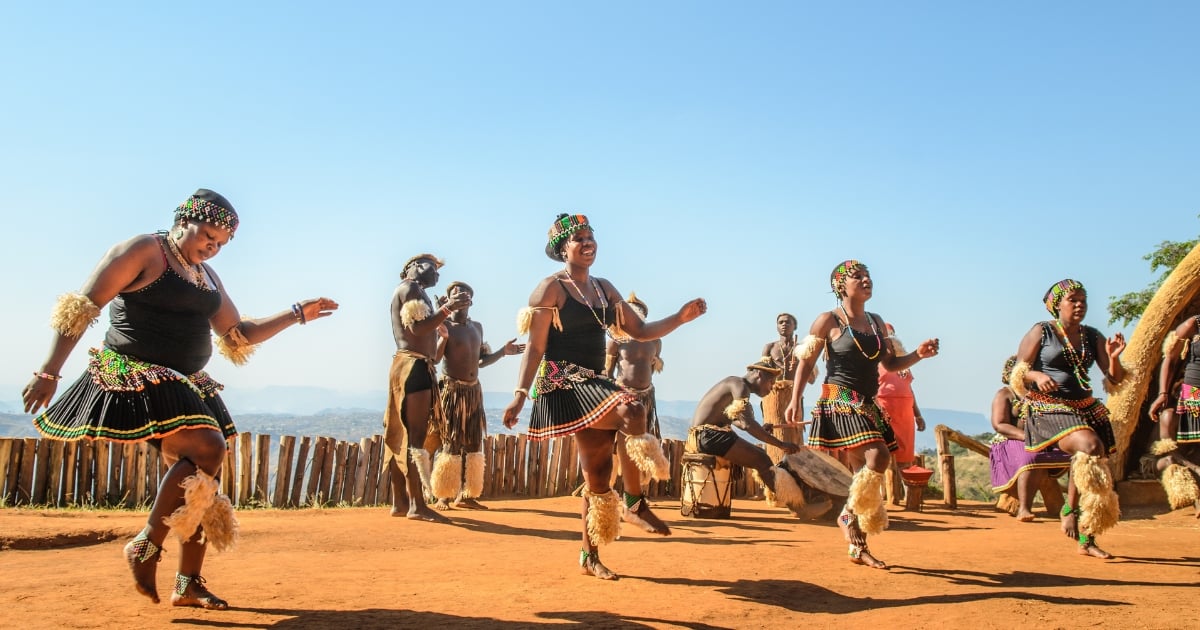
“Tourism Minister Patricia de Lille emphasized that South Africa’s tourism future depends on collaboration between government, business, and communities, with digital innovation at the core. The Tourism Growth Partnership Plan aims to boost destination marketing, safety, and accessibility, while promoting rural and township experiences.”
Tourism in South Africa has long been recognized as a cornerstone of cultural exchange, economic growth, and national identity. On September 27, 2026, during World Tourism Day celebrations in Limpopo, Tourism Minister Patricia de Lille outlined a bold vision for the sector’s future. Her message was clear: tourism growth is a shared responsibility that requires government, business, and communities to work hand in hand.
The Context of Tourism Growth
South Africa’s tourism industry contributes significantly to GDP and job creation. However, challenges such as global competition, safety concerns, and uneven regional development persist. De Lille’s remarks came against the backdrop of President Cyril Ramaphosa’s identification of tourism as one of four priority sectors under Phase Three of the Government-Business Partnership, alongside mining, infrastructure, and agriculture.
Digital Innovation as a Catalyst
The 2026 theme, “Growing South Africa’s Tourism Sector in the Digital Era”, reflects the transformative role of technology. De Lille highlighted how digital platforms, artificial intelligence, and online storytelling are reshaping how travelers discover destinations, plan journeys, and share experiences. She stressed that South Africa’s digital strategy must go beyond showcasing scenic imagery—it must convert interest into actual travel and repeat visits.
- Electronic Travel Authorisation (ETA): A streamlined system providing responses within 24 hours, making South Africa more accessible.
- Digital Destination Marketing: Leveraging AI-driven campaigns to highlight rural, township, and community-based tourism.
- Data-Driven Insights: Using analytics to understand traveler behavior and improve service delivery.
Community-Centered Tourism
De Lille underscored the importance of community participation. Tourism must not only benefit large corporations but also empower small towns, villages, and township businesses. By promoting local experiences—such as cultural festivals, traditional cuisine, and heritage sites—South Africa can diversify its tourism offerings.
Examples include:
- Township walking tours in Soweto.
- Cultural homestays in Limpopo villages.
- Rural craft markets showcasing indigenous artistry.
Safety and Security
Visitor safety remains a critical concern. The Tourism Growth Partnership Plan prioritizes enhanced security measures, including:
- Collaboration with law enforcement to protect tourist hotspots.
- Community watch programs to safeguard rural destinations.
- Digital reporting tools for travelers to flag safety issues.
Infrastructure and Accessibility
South Africa’s tourism growth also depends on improved infrastructure. De Lille announced efforts to secure more direct international flights through the Tourism Route Development Marketing Plan. This initiative aims to reduce travel barriers and make destinations more accessible.
Economic Impact
Tourism is expected to play a pivotal role in lifting South Africa’s overall economic growth above 3%. By creating jobs, fostering entrepreneurship, and stimulating local economies, tourism can become a driver of inclusive prosperity.
Cultural Dimension
Tourism is not just about economics—it is about cultural exchange and identity. South Africa’s diverse heritage, from Zulu traditions to Cape Malay cuisine, offers a rich tapestry for travelers. De Lille emphasized that digital storytelling should highlight these cultural narratives, ensuring that visitors experience the authentic spirit of the nation.
Conclusion
The future of South African tourism lies in digital innovation, community empowerment, and collaborative governance. As De Lille stated, “Our digital strategy must convert interest into travel and return visits.” By embracing technology and inclusivity, South Africa can position itself as a global leader in cultural tourism.



