




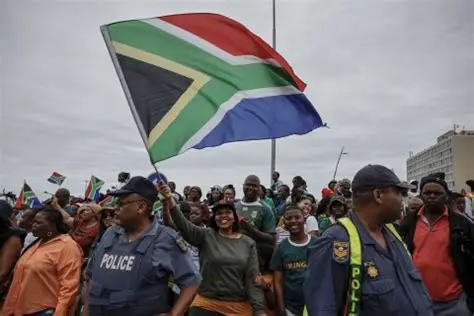
“South Africans are increasingly skeptical of traditional political parties, with public opinion surveys showing rising support for populist rhetoric and coalition arrangements. Analysts warn that this trend reflects both voter disillusionment and a demand for stronger accountability, reshaping the country’s political landscape.”
Public opinion in South Africa is undergoing a profound transformation. The electorate, once largely loyal to dominant parties, is now gravitating toward populist movements and coalition politics. This shift signals a new era of uncertainty, where governance is fragmented, and accountability is demanded more forcefully than ever before.
The Rise of Populism
Populism has gained traction as citizens express frustration with unmet promises dating back to 1994. Leaders who frame themselves as “outsiders” or “champions of the people” are resonating with communities that feel neglected. Public opinion polls reveal that trust in established parties has declined significantly, while populist figures gain momentum by promising radical reforms.
Coalition Politics and Instability
Coalition politics has become the defining feature of South Africa’s governance. With no single party able to secure overwhelming majorities, municipalities and provinces are increasingly governed through fragile alliances. Public opinion reflects skepticism about these coalitions, as citizens perceive them as unstable and prone to collapse. Analysts categorize parties into “Winners, Losers, and Survivors”, highlighting how some thrive in coalition environments while others falter.
Public Sentiment on Governance
Surveys show that citizens demand stronger accountability mechanisms. Corruption scandals, service delivery failures, and economic stagnation have eroded confidence in government institutions. Public opinion now emphasizes transparency, ethical leadership, and tangible improvements in daily life.
Structural Weaknesses in Democracy
The analysis underscores structural weaknesses in South Africa’s democracy. Political-party identity crises, strategic miscalculations, and weak institutional safeguards have contributed to instability. Public opinion increasingly reflects a belief that politicians have failed to uphold the promises of democracy, pushing voters to demand systemic reforms.
The Role of Media and Civil Society
Media outlets and civil society organizations play a crucial role in shaping public opinion. Investigative journalism has exposed corruption and mismanagement, fueling voter anger. Civil society campaigns amplify demands for accountability, reinforcing the electorate’s insistence on reform.
Implications for Future Elections
Public opinion trends suggest that future elections will be highly competitive, with coalition governments likely to dominate. Voters are expected to continue punishing traditional parties while rewarding populist rhetoric. Analysts warn that this could lead to short-term instability but long-term democratic renewal, if accountability mechanisms are strengthened.
International Comparisons
South Africa’s experience mirrors global trends, where populism and coalition politics have reshaped democracies in Europe and Latin America. Public opinion in these regions similarly reflects frustration with elites and a demand for more responsive governance.
Conclusion
Public opinion in South Africa today is a powerful force reshaping the political landscape. The rise of populism and coalition politics reflects both disillusionment and hope: disillusionment with failed promises, and hope for a more accountable democracy. As analysts note, the electorate must now demand better, ensuring that politicians deliver on the aspirations of 1994.



