




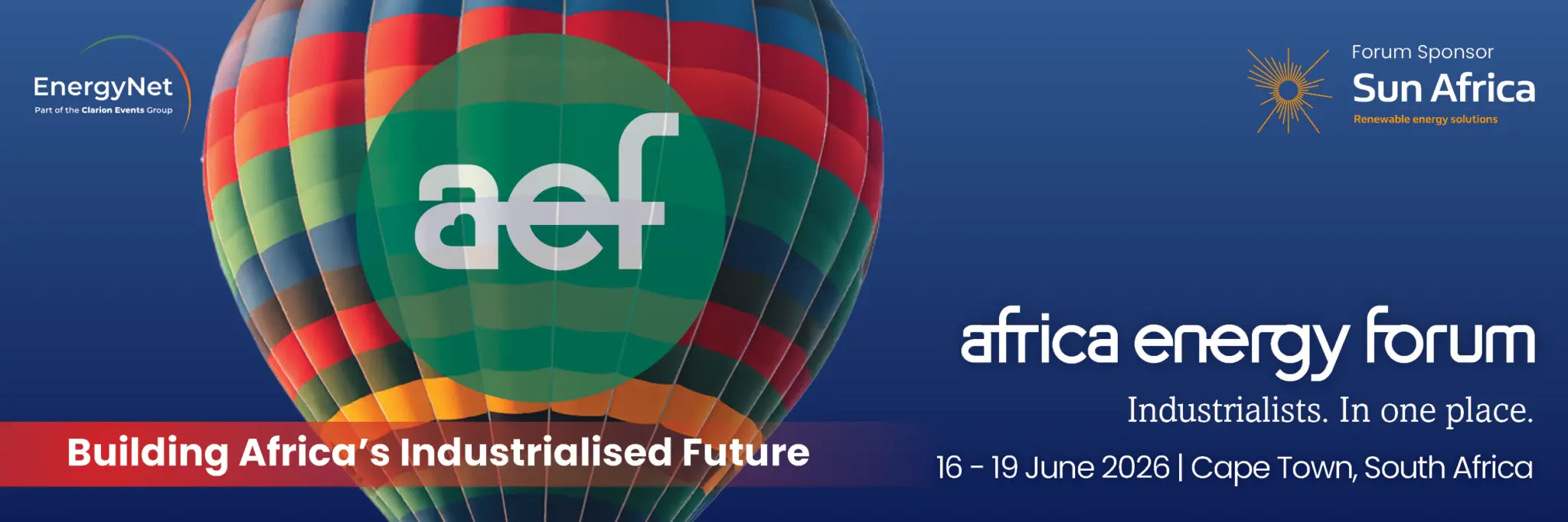
“The Africa Energy Forum 2026, held in Cape Town from June 16–19, gathered over 400 speakers and thousands of delegates to discuss Africa’s energy future under the theme “Building Africa’s Industrialized Future.” The event highlighted South Africa’s pivotal role in renewable energy, industrialization, and global supply chains, with commitments to accelerate electricity access and sustainable investment.”
Introduction
The Africa Energy Forum (AEF) 2026, hosted in Cape Town, South Africa, has emerged as the most significant energy event on the continent this year. With the theme “Building Africa’s Industrialized Future,” the forum underscored the urgent need for pragmatic, diversified energy solutions to power Africa’s industrialization and economic growth. The gathering brought together ministers, regulators, developers, financiers, and technology leaders, positioning South Africa at the forefront of Africa’s energy transformation.
Key Highlights of the Forum
- Scale of Participation: Over 448 confirmed speakers and thousands of delegates attended, representing governments, private investors, and civil society.
- Youth Engagement: More than 6,000 young Africans registered, with 3,200 attending in person, participating in masterclasses, recruitment sessions, and entrepreneurship pitches.
- Strategic Partnerships: The forum facilitated agreements across renewable energy, critical minerals, and infrastructure, linking energy development with industrial supply chains.
South Africa’s Role
South Africa’s Minister of Electricity and Energy, Dr. Kgosientsho Ramokgopa, emphasized the country’s commitment to renewable energy expansion and industrialisation. South Africa’s energy sector is undergoing a transformation, with large-scale solar and wind projects being commissioned and new transmission strategies outlined.
Renewable Energy Push
The forum spotlighted renewable energy as the backbone of Africa’s industrial future:
- Solar Projects: Infinity signed contracts for large solar projects in South Africa and Egypt, reinforcing regional cooperation.
- Wind Milestones: Seriti Power announced progress toward a major wind energy milestone, strengthening South Africa’s renewable portfolio.
- Storage Solutions: Eskom signed deals for gravity storage facilities, ensuring grid stability and reliability.
Financing and Investment
A critical theme was financing mechanisms to unlock Africa’s energy potential:
- The OPEC Fund’s first loan to South Africa marked a milestone in international financing for renewable projects.
- Standard Bank highlighted how South Africa’s new wholesale electricity market will reshape lending approaches, encouraging private sector participation.
Industrialization and Supply Chains
The forum linked energy development directly to Africa’s industrialization:
- Critical Minerals: Discussions focused on leveraging Africa’s mineral wealth to support clean energy technologies.
- Global Supply Chains: Africa’s role in supplying critical resources for renewable technologies was emphasized, positioning the continent as a central player in global energy markets.
Challenges Addressed
Despite optimism, several challenges were acknowledged:
- Eskom’s Debt Crisis: Johannesburg’s electricity supply risks due to Eskom’s financial instability were discussed, highlighting the need for reforms.
- Infrastructure Gaps: Transmission bottlenecks and aging infrastructure remain barriers to scaling renewable energy.
- Policy Uncertainty: Investors called for clearer regulatory frameworks to ensure long-term stability.
Youth and Workforce Development
The Youth Energy Summit (YES!) ran alongside the forum, empowering Africa’s next generation of energy leaders. With over 230 expert speakers, sessions focused on skills development, entrepreneurship, and leadership in the energy sector.
Conclusion
The Africa Energy Forum 2026 has positioned South Africa as a continental leader in energy transformation. By aligning renewable energy expansion with industrialization, financing, and youth empowerment, the forum laid the groundwork for Africa’s energy future. The commitments made in Cape Town signal a decisive shift from ambition to execution, ensuring that Africa’s 1.5 billion people can access sustainable, reliable, and affordable energy in the coming decades.



