




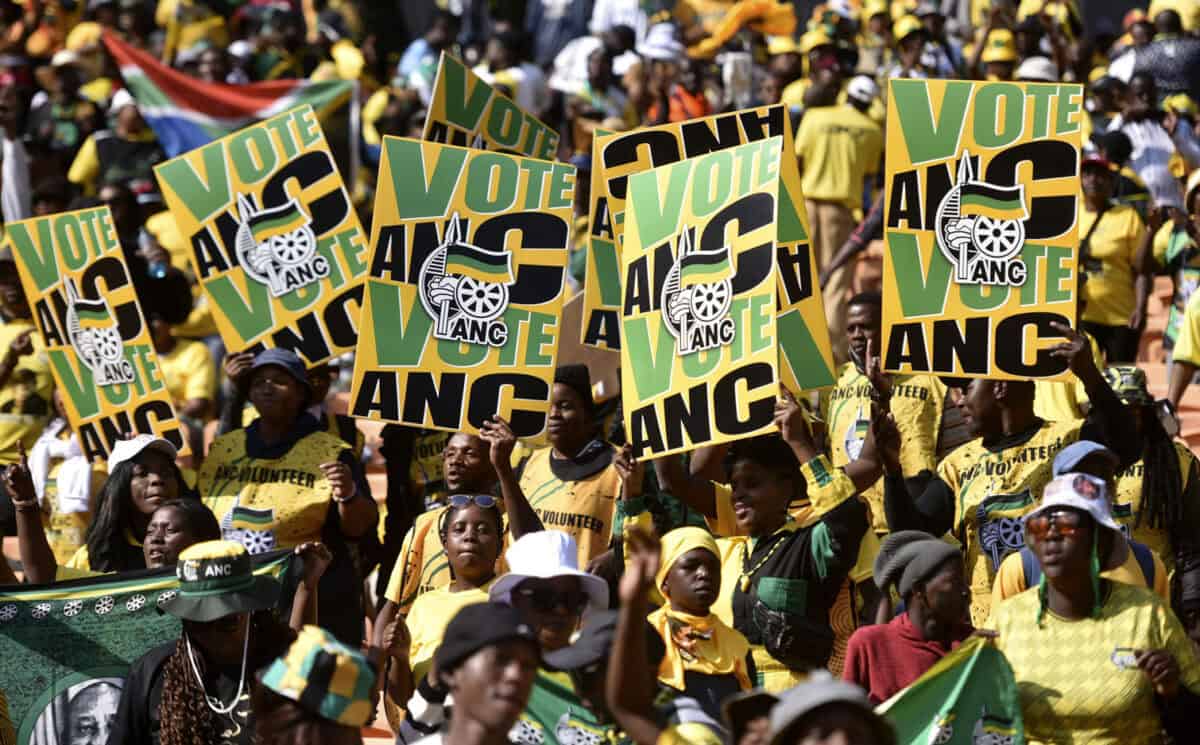
“The IEC announced that in the municipal by-elections held on 24 June 2026, the ANC successfully defended its seat in Bushbuckridge Municipality while the DA retained its position in Rustenburg Municipality. These results underscore the entrenched competition between South Africa’s two largest parties as the nation moves closer to the pivotal November 2026 Local Government Elections.”
South Africa’s political landscape is once again in the spotlight following the Independent Electoral Commission’s (IEC) release of official results from the municipal by-elections held on 24 June 2026. The African National Congress (ANC) and Democratic Alliance (DA), the country’s two largest political parties, each managed to retain their respective strongholds in Bushbuckridge and Rustenburg municipalities. These outcomes, while not dramatically altering the balance of power, provide crucial insights into voter sentiment ahead of the November 2026 Local Government Elections.
Context of the By-Elections
By-elections in South Africa serve as important indicators of political momentum. They are often triggered by vacancies due to resignations, deaths, or disqualifications of councillors. In this case, the Bushbuckridge Municipality in Mpumalanga and Rustenburg Municipality in North West Province became focal points for political contestation. Both municipalities are strategically significant: Bushbuckridge for its rural voter base and Rustenburg for its urban, mining-driven economy.
Results Breakdown
- Bushbuckridge Municipality (Mpumalanga): The ANC retained its seat, reaffirming its dominance in rural constituencies.
- Rustenburg Municipality (North West): The DA held onto its seat, consolidating its support among urban voters.
- EFF Performance: The Economic Freedom Fighters (EFF) registered modest gains but failed to secure a ward.
These results reflect the enduring polarization of South African politics, where the ANC continues to dominate rural areas while the DA maintains traction in urban centers.
Voter Turnout and Engagement
The IEC reported a turnout consistent with previous by-elections, though lower than national averages. Voter apathy remains a challenge, with many citizens expressing disillusionment over service delivery failures. Nevertheless, the participation of over 4,000 voters across the contested wards demonstrates continued engagement in local democracy.
Implications for November 2026 Local Government Elections
The November 2026 elections are expected to be fiercely contested. The ANC, despite retaining Bushbuckridge, faces mounting pressure due to corruption scandals and governance challenges. The DA’s ability to hold Rustenburg signals resilience but also highlights its limitations in expanding beyond traditional urban bases. The EFF, while growing in popularity among younger voters, still struggles to convert support into ward victories.
Key implications include:
- ANC Strategy: Reinforce rural dominance while addressing urban dissatisfaction.
- DA Strategy: Expand appeal to diverse demographics beyond middle-class urban voters.
- EFF Strategy: Translate national rhetoric into local governance credibility.
Broader Political Significance
These by-elections serve as a microcosm of South Africa’s broader political dynamics. They highlight the entrenched nature of party loyalties, the challenges of voter mobilization, and the importance of local governance in shaping national politics. The ANC’s retention of Bushbuckridge underscores its resilience, while the DA’s hold in Rustenburg demonstrates its ability to withstand pressure from both the ANC and EFF.
Public Reaction
Public opinion has been mixed. Supporters of the ANC celebrated the victory as proof of continued trust in the party’s leadership, while DA supporters viewed Rustenburg’s outcome as validation of their governance record. Analysts, however, caution that these results should not be over-interpreted, as by-elections often reflect localized issues rather than national trends.
Conclusion
The municipal by-elections of 24 June 2026 may not have dramatically shifted the political balance, but they provide valuable insights into the evolving dynamics of South African politics. With the ANC and DA each securing key victories, the stage is set for an intense contest in November. The EFF’s inability to secure a ward highlights the challenges facing emerging parties in breaking through entrenched political structures. As South Africa prepares for the 2026 Local Government Elections, these by-election results serve as both a reminder of the resilience of established parties and a call to action for those seeking change.



