




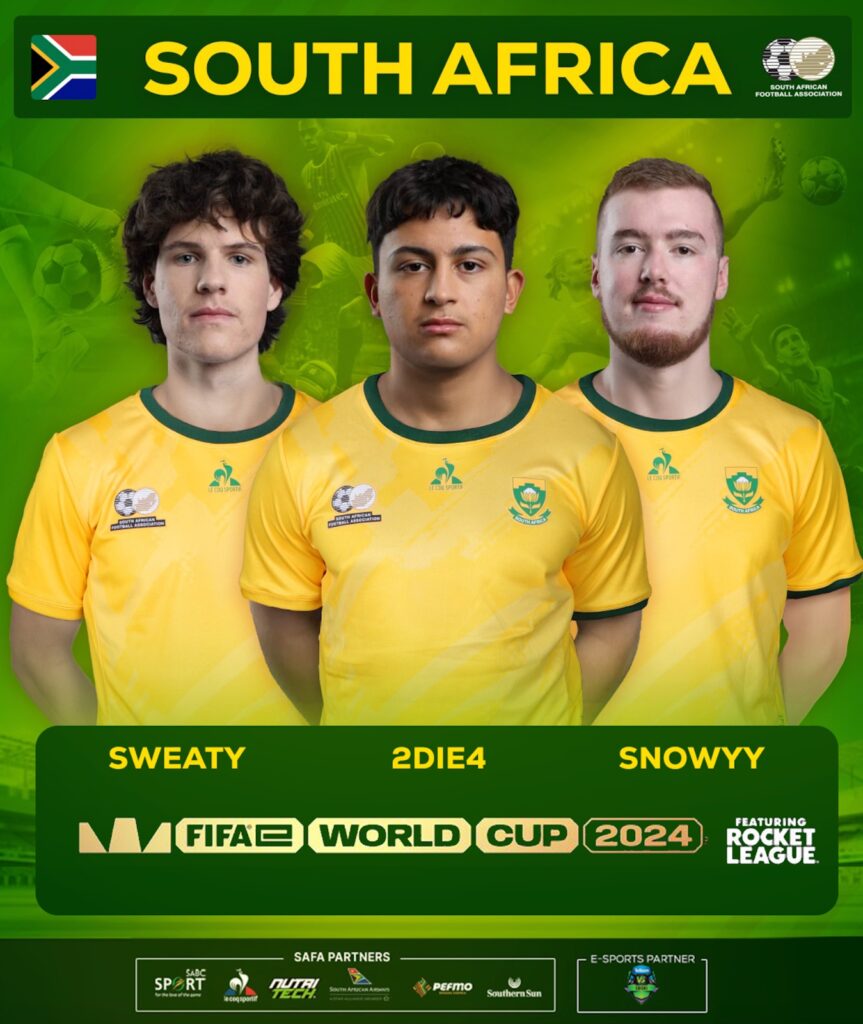
“The Rocket League Championship Series (RLCS) 2026 has seen South African teams break into the spotlight, challenging established international squads and proving the SSA region’s growing competitiveness. This surge in talent is reshaping the esports narrative in South Africa, inspiring new investment, grassroots development, and fan engagement.”
The RLCS 2026 season introduced several South African squads that quickly became fan favorites. Their aggressive playstyle, innovative strategies, and resilience against international teams have drawn attention from analysts and fans alike. For years, South African esports struggled with infrastructure challenges, limited sponsorship, and lack of exposure. This season, however, has proven that talent can thrive when given the right platform.
Key Performances
- Team Jozi Rockets shocked audiences by defeating a seasoned European squad in the group stages.
- Cape Town Strikers advanced to the quarterfinals, showcasing consistency and teamwork.
- Rising stars like Sipho “Skyline” Mthembu have become household names in the Rocket League community, inspiring younger players across South Africa.
These performances are not isolated; they represent a broader trend of South African players gaining recognition and respect internationally.
Infrastructure and Growth
The success of South African teams is closely tied to improvements in local infrastructure. With better internet connectivity, access to training facilities, and increased investment from sponsors, players now have the resources to compete at higher levels. The ZA Esports Hub has played a crucial role in organizing tournaments, tracking team progress, and fostering community engagement.
Fan Engagement
South African fans have embraced Rocket League with enthusiasm. Local watch parties, online streaming events, and social media campaigns have amplified the excitement. The RLCS 2026 season has seen record-breaking viewership numbers from South Africa, proving that esports is no longer a niche interest but a mainstream entertainment option.
Economic Impact
The rise of esports has economic implications as well. Sponsorship deals, merchandise sales, and advertising revenue are flowing into the South African market. Companies such as Telkom Gaming and Red Bull South Africa have increased their involvement, recognizing the potential of esports as both a cultural and commercial phenomenon.
Challenges Ahead
Despite the progress, challenges remain. South African teams still face hurdles such as limited funding compared to international giants, visa restrictions for global tournaments, and the need for more grassroots development. Addressing these issues will be critical to sustaining the momentum generated by the RLCS 2026 season.
Global Recognition
The international community has taken notice. Analysts from Europe and North America have praised South African teams for their creativity and adaptability. The SSA region is now being considered a serious contender in Rocket League, with potential to influence the meta and inspire future generations of players.
Conclusion
The Rocket League RLCS 2026 season has been a watershed moment for South African esports. New challengers have risen, infrastructure has improved, and fan engagement has reached unprecedented levels. While challenges remain, the trajectory is clear: South Africa is no longer on the sidelines of esports—it is stepping into the global arena with confidence and ambition.



