




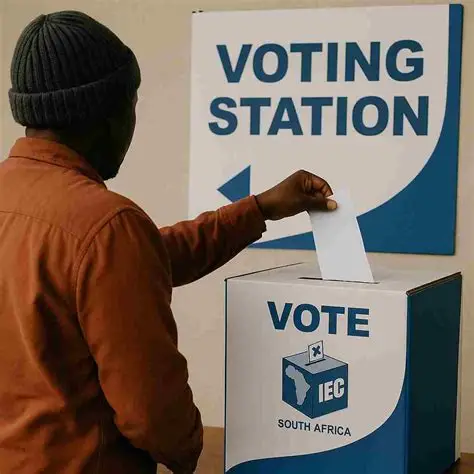
“The African National Congress (ANC) has lost its parliamentary majority for the first time since 1994, forcing the party into a coalition under a Government of National Unity led by the Democratic Alliance (DA). This watershed moment signals a new era of negotiation, accountability, and citizen-centered governance in South Africa.”
South Africa’s 2026 general elections have delivered a seismic political shift, ending the African National Congress’s (ANC) uninterrupted dominance since the dawn of democracy in 1994. The ANC, long the ruling party, fell below the 50% threshold, securing only a plurality of votes. In a dramatic turn, the Democratic Alliance (DA) has assumed leadership within a Government of National Unity (GNU), marking a profound reconfiguration of South Africa’s political landscape.
Historical Context
Since Nelson Mandela’s presidency, the ANC enjoyed majority control, shaping national policy with little need for compromise. For three decades, its dominance translated into near-total influence over state institutions, procurement, and governance. However, years of corruption scandals, service delivery failures, and economic stagnation eroded public trust. By 2026, voter fatigue and frustration culminated in a dramatic electoral shift.
Election Results
The Independent Electoral Commission (IEC) confirmed that the ANC fell below the majority threshold, securing only a plurality. The DA emerged as the second-largest party but strategically positioned itself to lead the GNU. Smaller parties, including the Economic Freedom Fighters (EFF) and regional movements, now hold critical leverage in coalition negotiations.
DA leader Geordin Hill-Lewis emphasized that the coalition is not merely tactical but philosophical: “The state does not belong to the ANC, nor to any single party—it belongs to citizens.”
Implications for Governance
Coalition politics introduces new dynamics:
- Negotiation and compromise become essential in policymaking.
- Transparency and accountability are emphasized, with the DA pledging to challenge ANC decisions that prioritize party interests.
- Resource distribution is subject to multi-party oversight, reducing risks of unilateral misuse.
This arrangement could strengthen democratic institutions by forcing collaboration, but it also risks instability if coalition partners fail to align on key issues.
Challenges Ahead
While the GNU promises inclusivity, it faces significant challenges:
- Policy coherence: Divergent ideologies between the DA, ANC, and EFF could stall decision-making.
- Economic recovery: South Africa continues to grapple with unemployment, inequality, and sluggish growth.
- Public trust: Citizens demand tangible improvements in service delivery, not just political rhetoric.
Public Reaction
The electorate’s response reflects cautious optimism. Many South Africans view the GNU as a chance to reset governance, while others fear instability. Civil society organizations have welcomed the emphasis on accountability, urging coalition leaders to prioritize citizen needs over party interests.
International Perspective
Globally, South Africa’s political realignment has drawn attention. Analysts note that the end of ANC dominance could reinvigorate democratic institutions, but warn that coalition fragility may undermine stability. Investors are watching closely, as policy uncertainty could affect economic confidence.
Conclusion
The 2026 elections mark a turning point in South Africa’s democratic journey. The ANC’s loss of majority power and the DA’s leadership in a Government of National Unity represent both opportunity and risk. Success will depend on the coalition’s ability to deliver on promises of accountability, inclusivity, and citizen-centered governance.



