




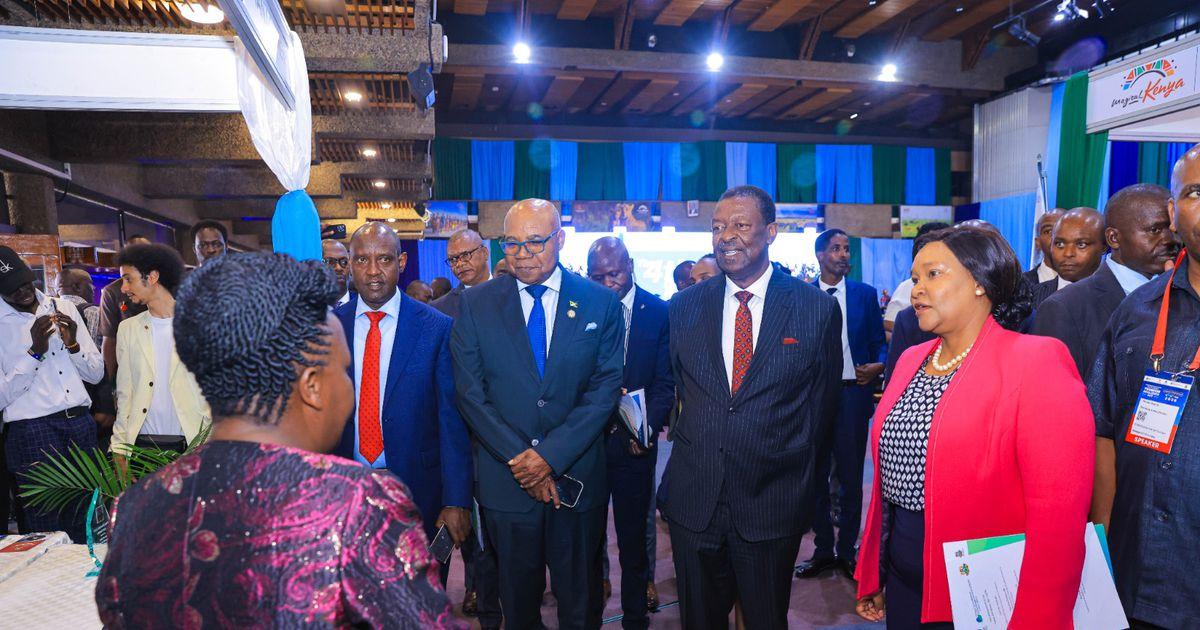
“South African Tourism is using the 2026 Magical Kenya Travel Expo in Nairobi to promote South African destinations and tourism businesses, with Kenyan arrivals reaching 36,497 between January and August, an increase of 7.7% year on year. The initiative places 20 South African tourism businesses, including 14 small, medium and micro enterprises, in front of East African travel buyers while highlighting leisure, business-events and destination experiences across South Africa.”
South Africa Strengthens Its Position as a Regional Travel Destination
South Africa is stepping up efforts to attract more visitors from East Africa as tourism authorities place greater emphasis on regional travel, destination promotion and stronger links between tourism businesses. South African Tourism is participating in the 16th Magical Kenya Travel Expo (MKTE) in Nairobi from 6 to 8 October 2026, using the event as an opportunity to showcase the country’s diverse destinations and experiences to the Kenyan market.
The development comes as the latest figures show continued growth in travel between Kenya and South Africa. According to South African Tourism, 36,497 Kenyan visitors travelled to South Africa between January and August 2026, an increase of 7.7% compared with the same period in the previous year. The rise provides an important signal for South Africa’s tourism industry because regional African markets can help diversify visitor sources and support tourism businesses throughout the year.
For a country whose tourism appeal extends from major cities and beaches to wildlife reserves, mountains, cultural attractions and business-event facilities, stronger connections with neighbouring African markets can also make travel more accessible. Regional visitors may have shorter journeys, greater familiarity with African destinations and opportunities to combine leisure, business, shopping, conferences and other activities during one trip.
Twenty South African Tourism Businesses Join the Nairobi Expo
One of the most significant elements of this year’s initiative is the size of the South African delegation. South African Tourism is leading 20 tourism businesses to MKTE, alongside the South African National Convention Bureau (SANCB). This is an increase from the 17 participants represented at the expo in 2025.
The larger delegation demonstrates an effort to move beyond simply promoting South Africa as a destination and instead create direct commercial opportunities for tourism businesses. Tourism expos provide an important platform where hotels, tour operators, destination-management companies, attractions and other industry players can meet travel agents, buyers and other tourism professionals.
The approach is particularly relevant for small and medium-sized tourism enterprises. South African Tourism says the delegation is intended to place local enterprises at the heart of destination promotion while creating market-access and growth opportunities for MSMEs.
This means that the benefits of increased tourism are not necessarily limited to large hotels or major international companies. Smaller businesses can potentially benefit when international and regional travellers spend money on accommodation, guided tours, restaurants, transport, cultural activities, outdoor experiences and other services.
Why East Africa Matters to South Africa’s Tourism Industry
East Africa represents an important regional market for South African tourism. Kenya has an established tourism industry of its own and attracts visitors from around the world, making Nairobi an important meeting point for tourism businesses and travel professionals.
South Africa’s decision to expand its presence at MKTE therefore has a strategic dimension. Rather than waiting for potential visitors to discover the country independently, tourism authorities and businesses can engage directly with travel professionals who influence where consumers travel.
The 7.7% increase in Kenyan arrivals provides an encouraging foundation for this strategy. However, continued growth will depend on whether South African tourism businesses can convert interest into bookings and repeat visits.
That conversion can be influenced by several factors, including air connectivity, affordability, destination safety, the quality of tourism products and the ease with which travellers can plan trips.
South Africa also has the advantage of offering very different types of destinations within one country. Visitors can combine urban experiences in Johannesburg or Cape Town with wildlife, beaches, mountains, wine regions and cultural attractions. The country’s broad tourism portfolio allows travel companies to create packages for different budgets and interests.
Health and Well-Being Are Increasingly Part of Destination Choices
Although the announcement is primarily about tourism promotion, the destination story also has relevance to the health category because modern travel decisions increasingly include health, safety and well-being.
Travellers are paying greater attention to the quality of their travel environment, access to healthcare, personal safety, outdoor activities, relaxation and wellness experiences. South Africa already has a broad range of destinations that can support different forms of wellness-oriented travel.
Cape Town, for example, combines beaches, mountains, outdoor activities, restaurants and wellness facilities. National parks and private reserves can offer nature-based experiences, while coastal destinations provide opportunities for walking, swimming and other recreational activities.
The country’s private healthcare system also contributes to its position in medical tourism. The CDC’s 2026 travel-health guidance notes that South Africa has high-quality private-sector medical facilities and that medical tourism is growing, with international visitors seeking services including cancer treatment, cosmetic surgery, dental care, fertility services and transplantation.
This does not mean that every tourist visiting South Africa is a medical traveller. Instead, it demonstrates how tourism and health can overlap when a destination offers both leisure opportunities and sophisticated healthcare infrastructure.
Safety Remains an Important Part of Destination Promotion
As South Africa attempts to attract more visitors, safety remains an important consideration. The country’s tourism authorities have acknowledged the importance of giving travellers confidence while they explore destinations.
The Department of Tourism’s official travel guidance advises visitors to take practical precautions, including keeping personal possessions secure, safeguarding passports and important documents, informing accommodation providers before walking or going on excursions alone and using certified tourist guides.
Health and personal safety are closely connected. Travellers want to know not only whether a destination offers attractive experiences but also whether they can access assistance if something goes wrong.
Official tourism guidance also highlights environmental and recreational precautions. Visitors are advised to remain hydrated in hot and dry conditions, avoid drinking water from rivers and streams, swim only in designated areas and pay attention to beach safety warnings and rip-current risks.
These considerations are especially important for destinations promoting adventure tourism, safari experiences, hiking, water activities and outdoor recreation.
South Africa’s Diverse Destinations Create Opportunities
South Africa’s tourism strength lies partly in its geographical diversity. The country’s attractions include major cities, national parks, coastlines, mountains, vineyards and cultural destinations.
The CDC’s current travel guidance identifies destinations including Cape Town, the Garden Route, Drakensberg, Durban, Addo Elephant National Park, iSimangaliso Wetland Park, Hermanus and the Cape Agulhas area among popular attractions.
This diversity gives tourism businesses considerable flexibility when developing itineraries for Kenyan and other African travellers.
A visitor interested in nature could choose a safari-focused holiday. Someone interested in food and culture could spend more time in Cape Town and the Winelands. Business travellers could combine conferences with leisure activities, while families could select coastal destinations and attractions suitable for different age groups.
Such flexibility can make South Africa competitive in a regional tourism market where travellers increasingly seek experiences rather than simply accommodation.
Tourism Growth Can Support Local Businesses and Jobs
The expansion of South Africa’s presence at MKTE also has an economic dimension. Tourism supports businesses across a broad supply chain, including accommodation providers, restaurants, transport operators, guides, attractions, event organisers, retailers and creative businesses.
South African Tourism says the Nairobi initiative is intended to create measurable business opportunities for participating tourism businesses.
That focus is important because tourism growth has a greater economic impact when visitor spending reaches businesses in different communities.
South Africa’s Tourism Infrastructure Investment Summit, held earlier in October, similarly highlighted the importance of investment in tourism infrastructure. The government said the pipeline of bankable tourism projects had grown from eight projects worth R1 billion to 15 projects valued at R3.5 billion, with three already having secured funding commitments.
Together, these developments indicate that destination promotion is being linked with wider efforts to improve tourism infrastructure and investment.
A Stronger Regional Tourism Strategy
The Kenyan market could become increasingly important as South Africa seeks to strengthen intra-African travel. International tourism markets remain valuable, but regional travellers can provide another source of demand.
The latest Kenyan arrival figures show that there is already interest in South Africa. The challenge now is to deepen that relationship by ensuring travellers can easily discover destinations, compare experiences, arrange transportation and accommodation, and feel confident about visiting.
The 20-business delegation at MKTE is therefore more than a promotional exercise. It is part of an attempt to connect South African tourism suppliers directly with an established East African travel market.
The increase from 17 participants in 2025 to 20 in 2026 also suggests that South African Tourism sees value in maintaining and expanding the relationship.
What the Development Means for Travellers
For Kenyan travellers and other East African visitors, stronger destination marketing could mean greater access to South African holiday packages and tourism experiences.
South Africa offers a particularly broad combination of nature, culture, food, business, entertainment, beaches and adventure. As tourism businesses increase their engagement with the region, travellers may have more opportunities to discover packages designed specifically for African markets.
From a health and well-being perspective, visitors should continue to consider travel insurance, personal safety, food and water precautions, vaccinations and destination-specific health risks before travelling. South Africa’s Department of International Relations and Cooperation advises South Africans travelling abroad to research health risks, obtain appropriate vaccinations or medication and ensure travel insurance covers hospitalisation and emergency evacuation where appropriate.
The same principle applies more broadly to international travel: a successful destination experience depends not only on attractions but also on preparation and responsible travel.
Conclusion
South Africa’s increased presence at the Magical Kenya Travel Expo comes at an important moment for the country’s tourism industry. With 36,497 Kenyan arrivals recorded between January and August 2026 and growth of 7.7%, the market is already demonstrating potential.
By taking 20 tourism businesses to Nairobi, South African Tourism is seeking to turn that potential into stronger commercial relationships, greater visibility and increased visitor numbers.
For the health and destinations landscape, the development also illustrates how modern destination promotion extends beyond sightseeing. Safety, wellness, healthcare access, outdoor recreation and responsible travel increasingly influence how visitors evaluate destinations.
South Africa’s combination of natural attractions, cities, wildlife, coastline, culture and private healthcare capabilities gives it a broad platform from which to compete for regional travellers. The immediate challenge will be converting promotional activity into bookings, longer stays, repeat visits and sustainable benefits for tourism businesses and communities.
If the current growth in Kenyan arrivals continues, East Africa could become an increasingly valuable source of visitors for South Africa — strengthening regional tourism ties while supporting businesses across the country’s diverse destination economy.



