




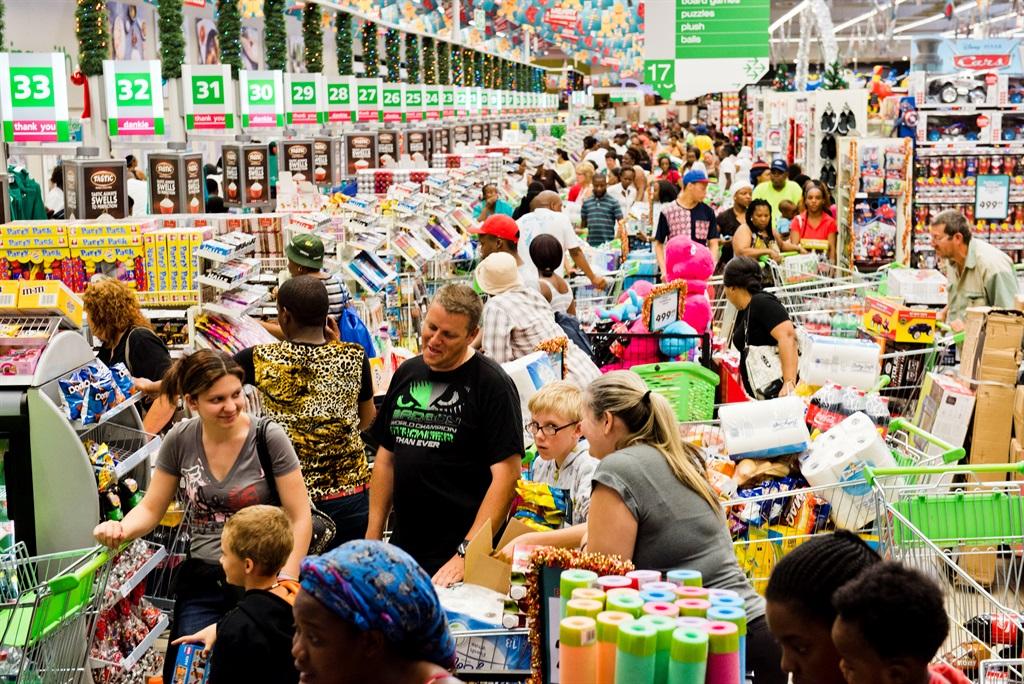
“South Africa’s festive shopping season is generating significant opportunities for retailers, but rising household financial difficulties, expensive food and increased borrowing are putting pressure on consumers as Black Friday approaches. A new Brand Journal report highlights changing consumer purchasing behaviour, the growing importance of township economies and stokvels, and the need for transparent pricing and responsible retail practices.”
South Africa’s Black Friday Boom Meets Household Financial Pressure as Consumers Tighten Spending
Festive shopping presents major opportunities for retailers, but rising living costs, food affordability and consumer debt are reshaping purchasing behaviour
South Africa’s festive retail season is approaching against a complicated economic backdrop, with retailers preparing for increased consumer spending while households continue to struggle with affordability. Although November and December remain among the country’s strongest retail trading months, financial pressures are forcing consumers to become more cautious, compare prices more frequently and reconsider how they allocate their limited household budgets.
A new report published by South African retail research studio Brand Journal on November 9, 2026, highlights the growing tension between seasonal retail opportunities and household financial difficulties. The report, titled The Festive Trading Gap, examines consumer spending, stokvels, household expenses and purchasing behaviour during the eight-week period stretching from Black Friday through to January’s school reopening.
The findings illustrate how consumer behaviour, competition among retailers and household affordability are becoming increasingly important factors influencing South Africa’s microeconomic environment.
Festive Season Remains a Major Retail Opportunity
November and December continue to represent a significant share of South Africa’s annual retail activity. According to the Brand Journal report, these two months accounted for 21.1% of annual retail sales in 2025.
After adjusting for price changes, November retail sales were approximately 23% higher than the average monthly level recorded between January and October. December sales were approximately 45% higher than the average monthly level during the same period.
These figures demonstrate the importance of seasonal demand for businesses operating in supermarkets, clothing, electronics, household goods, wholesale distribution and other consumer-facing industries.
For retailers, the festive season provides opportunities to increase sales volumes, improve inventory turnover and attract customers through promotions and special offers.
However, the increased commercial activity does not necessarily mean households have greater disposable income.
Instead, many consumers are bringing forward purchases, reallocating spending between categories or relying on savings and borrowing to finance festive expenses.
Household Financial Difficulties Continue to Shape Consumer Demand
The report highlights persistent household financial pressure despite the importance of festive shopping.
A national survey involving more than 5,400 respondents found that 65% considered every month financially difficult, compared with 61% a year earlier.
Additionally, 43% reported borrowing money before the end of the month.
December and January were identified as particularly difficult months because households must manage festive expenses alongside school-related costs, transport, food purchases and other essential obligations.
These findings illustrate a central microeconomic challenge: households must allocate limited resources between competing needs.
Consumers facing financial constraints generally prioritise essential purchases and become more sensitive to changes in prices. Consequently, retailers may experience stronger demand for discounted products, smaller package sizes, cheaper alternatives and promotional bundles.
The increase in financial pressure also creates risks for businesses that depend heavily on discretionary consumer spending.
Food Prices Remain a Critical Affordability Concern
Food affordability continues to influence household purchasing decisions.
The monitored household food basket reached R5,512.53 in October 2026, increasing by R24.48 from September.
Although the monthly increase was relatively modest, food expenditure remains a major concern for households with limited incomes.
The Pietermaritzburg Economic Justice and Dignity Group’s October Household Affordability Index provides further evidence of the pressure.
According to figures reported by The Gazette, an employee earning the national minimum wage would receive approximately R5,320.48 for 22 working days of eight-hour shifts in October.
After transport and electricity expenses estimated at R3,375.45, the worker would have approximately R1,945.03 remaining.
However, a basic nutritional food basket for a family of four was estimated at R3,828.72, leaving a shortfall of R1,883.69.
This demonstrates how essential expenses can consume a substantial portion of household earnings before families can adequately meet their nutritional requirements.
For retailers, these affordability challenges influence product demand, purchasing frequency and the types of promotions consumers consider attractive.
Consumers Become More Price-Conscious
One of the report’s significant findings concerns changing consumer behaviour during Black Friday.
An online retailer survey found that 76% of shoppers compare prices across platforms before purchasing products.
Furthermore, 37% of respondents believed that most Black Friday discounts were misleading.
These figures highlight the growing importance of price transparency and consumer trust in competitive retail markets.
Consumers increasingly have access to digital platforms that allow them to compare product prices, delivery charges and promotional offers across competing businesses.
This creates incentives for retailers to compete more aggressively on prices, product availability and customer experience.
Businesses that communicate genuine discounts and provide accurate information may strengthen customer loyalty.
Conversely, misleading promotional practices can damage consumer confidence and potentially expose businesses to regulatory consequences.
The Consumer Protection Act requires advertised previous prices to reflect prices genuinely charged. Customers whose advertised or prepaid products are unavailable may also choose between appropriate alternatives and refunds.
These protections are particularly important during periods when businesses advertise substantial discounts to attract customers.
Township Economies Become Increasingly Important
The festive season is also generating opportunities in township economies.
According to the report, festive card-machine spending in Soweto increased by 35.2%, while a developer of township shopping centres recorded a 42% increase in sales per square metre between November and December 2025.
These developments demonstrate the importance of township consumers and businesses within South Africa’s broader retail economy.
Township markets are supported by local purchasing networks, small retailers, informal businesses, community savings groups and increasingly widespread digital communication.
The report found that 66% of township residents surveyed were online throughout the day.
Additionally, 41% had ordered from a local business using their phones.
WhatsApp has also become an important commercial communication channel, with 74% of township businesses surveyed by a bank reportedly using the platform to reach customers.
However, data affordability remains a challenge.
Approximately 37% of township residents surveyed indicated that data costs restricted the amount of time they spent online.
This creates opportunities for businesses that provide accessible digital communication, convenient ordering systems and affordable purchasing options.
Stokvels Provide a Significant Source of Seasonal Demand
Community savings groups remain another important component of festive retail activity.
The report found that 34% of township residents belonged to a stokvel, while 61% of stokvel members saved towards major annual expenses.
These savings groups can generate substantial purchasing demand when members withdraw accumulated contributions towards groceries, celebrations, household purchases and other planned expenses.
One national wholesaler reportedly serves approximately 10,000 stokvel customers during December, around three times its normal monthly number.
November orders allow wholesalers and retailers to anticipate demand, organise inventory and coordinate collections before the festive rush.
For businesses, this creates opportunities to improve stock management and reduce uncertainty.
However, stokvel purchasing also highlights the importance of affordability and predictable prices for consumers who have accumulated savings over extended periods.
Competition and Small Retailers Face Structural Challenges
The report also examines competition in South Africa’s grocery retail sector.
According to the findings, approximately 82,000 shops registered with the Spaza Shop Support Fund, but only 44,696 had been verified.
Around 15,000 reportedly held permits or licences, while 2,369 had been approved for support worth approximately R179.6 million.
These figures highlight the challenges facing smaller businesses seeking formalisation, financing and access to support programmes.
The report revisits the Competition Commission’s 2019 Grocery Retail Market Inquiry, which identified exclusive lease arrangements restricting smaller retailers’ access to shopping centres in more than 70% of centres examined.
Such restrictions can affect market entry, competition and consumer choice.
The report notes that one major grocery group subsequently agreed to stop enforcing these clauses by December 2026.
Improving access to retail locations could potentially create additional opportunities for independent businesses and strengthen competition in consumer markets.
Physical Retail Continues to Dominate
Despite the expansion of online shopping, physical retail remains central to South African consumer expenditure.
Online purchases account for approximately 10% of retail turnover, leaving around 90% of purchases taking place in physical stores, according to the report.
This means retailers must continue investing in store accessibility, product availability, customer service and convenient shopping experiences.
Digital platforms can complement physical stores by helping customers compare products, communicate with businesses and arrange purchases.
The strongest opportunities may therefore emerge from businesses combining online engagement with reliable physical retail operations.
What Retailers Must Do Ahead of the Festive Season
The report identifies several priorities for retailers preparing for Black Friday and December trading.
Businesses should verify stock availability before advertising promotions, maintain consistent pricing across sales channels and communicate accurate trading hours.
Retailers serving stokvel customers should confirm orders early and coordinate collection arrangements.
Businesses must also plan for January operating expenses, including wages, rent and supplier payments, while ensuring customer deposits remain allocated to the orders for which they were received.
These measures can improve operational efficiency and reduce risks associated with seasonal demand fluctuations.
Conclusion: Consumer Affordability Will Shape Festive Retail Performance
South Africa’s festive shopping season presents significant opportunities for retailers, wholesalers, township businesses and digital commerce providers.
Nevertheless, household financial pressure remains a central challenge.
Rising food costs, limited disposable income, increased borrowing and consumer concerns about promotional pricing are influencing how households make purchasing decisions.
For retailers, the implications extend beyond generating higher sales volumes.
Businesses must understand consumer affordability, maintain transparent pricing, strengthen competition and offer products that respond to different household budgets.
As Black Friday approaches, the relationship between consumer demand and financial constraints will remain a defining feature of South Africa’s retail economy.
The businesses most capable of combining affordability, trustworthy promotions, efficient distribution and customer convenience may be better positioned to benefit from festive spending while maintaining consumer confidence.



