




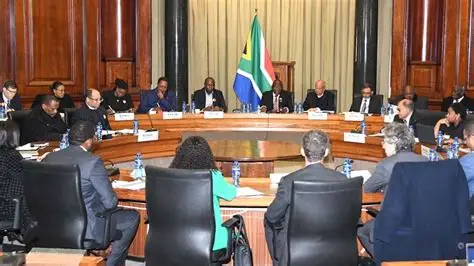
“South Africa’s Presidency and Business Leadership South Africa (BLSA) have announced a joint plan to boost economic growth above 3% annually and create one million jobs by 2030. The partnership, now in its third phase, shifts focus from stabilizing critical infrastructure to unlocking long-term growth potential through reforms and private-sector collaboration.”
South Africa’s economy has faced years of structural challenges, including electricity shortages, logistics inefficiencies, and fiscal instability. The government-business partnership, established in 2023, initially focused on crisis management—particularly stabilizing the energy grid and freight transport. Over 400 consecutive days without loadshedding and improved port performance are among the notable achievements.
The New Growth Plan
The latest announcement marks Phase 3 of the Government-Business Partnership, unveiled at Summer Place in Johannesburg on August 20, 2026. More than 30 CEOs pledged resources and expertise to support the plan, which aims to:
- Lift GDP growth above 3% annually
- Create one million jobs by 2030
- Strengthen institutional capacity in the state
- Unlock productivity through reforms in energy, logistics, and governance
President Cyril Ramaphosa emphasized that the partnership has moved beyond crisis response to proactive growth. His weekly newsletter highlighted the importance of shifting focus from “fixing what’s broken” to “unlocking potential.”
Achievements So Far
- Energy Sector: The National Energy Crisis Committee, with private sector input, stabilized electricity supply.
- Logistics: Freight rail corridors opened to private operators, improving efficiency.
- Financial Integrity: South Africa was removed from the FATF grey list, restoring investor confidence.
- Public Finances: Fiscal reforms have led to improved credit ratings.
These successes laid the foundation for the new growth-oriented agenda.
Business Leadership South Africa’s Role
BLSA CEO Busi Mavuso echoed Ramaphosa’s optimism, noting that the partnership has already delivered tangible results. She emphasized that the renewal marks a “change in emphasis”—from repairing broken systems to driving growth.
Implications for Business Policy
The collaboration signals a new era of public-private cooperation in South Africa’s economic policy. Key implications include:
- Policy Stability: Businesses gain confidence from predictable reforms.
- Job Creation: Targeting one million jobs will require investment in manufacturing, services, and technology.
- Global Competitiveness: Improved infrastructure and governance enhance South Africa’s appeal to investors.
Challenges Ahead
Despite optimism, challenges remain:
- Debt Stabilization: Government debt-to-GDP remains high.
- Global Headwinds: Commodity price volatility and slowing global growth could affect targets.
- Structural Inequality: Ensuring inclusive growth remains a pressing issue.
Conclusion
The partnership between government and business represents a strategic pivot in South Africa’s business policy. By aligning resources, expertise, and reforms, the country aims to transition from crisis management to sustainable growth. If successful, this initiative could redefine South Africa’s economic trajectory and restore confidence in its long-term prospects.



