




“Cape Town has been ranked among the world’s premier cultural travel destinations in July 2026, thanks to its blend of heritage attractions, dynamic festivals, and thriving creative industries. This recognition has fueled a surge in international arrivals, reinforcing South Africa’s position as a cultural powerhouse.”
In July 2026, Cape Town achieved a milestone by being listed among the world’s top five cultural travel destinations, alongside Paris, Tokyo, and New York. This accolade underscores the city’s ability to merge historic landmarks with modern cultural expressions, making it a magnet for travelers seeking both authenticity and innovation.
Heritage Attractions
- Robben Island: A UNESCO World Heritage site where Nelson Mandela spent 18 years in prison, symbolizing resilience and freedom.
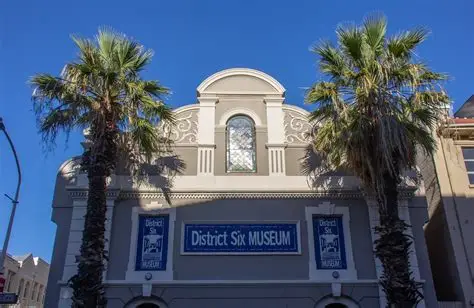
- District Six Museum: Offers poignant insights into apartheid-era forced removals.
- Bo-Kaap neighborhood: Famous for its brightly painted houses and Cape Malay culinary traditions.
- Castle of Good Hope: One of the oldest colonial structures, reflecting South Africa’s layered history.
These sites not only attract tourists but also serve as living reminders of South Africa’s journey toward democracy and inclusivity.
Festivals and Events
July 2026 has been particularly dynamic for Cape Town’s cultural calendar:
- Cape Town Carnival dazzled audiences with colorful costumes, music, and dance celebrating diversity.
- National Arts Festival in Makhanda drew international visitors, with Cape Town serving as a gateway.
- International art exhibitions showcased South Africa’s creative industries, reinforcing its global cultural footprint.
These events highlight the strength of South Africa’s creative economy, which is increasingly recognized as a driver of tourism growth.
Economic Impact
The cultural tourism boom has had measurable effects:
- 15% increase in international arrivals in July 2026 compared to the same period last year.
- Hotels reported record occupancy rates, while restaurants, galleries, and local artisans benefited from increased demand.
- Job creation surged in the hospitality and creative sectors, providing economic opportunities for local communities.
Cultural Diversity
South Africa’s identity as the “Rainbow Nation” is reflected in its 12 official languages, including isiZulu, isiXhosa, Afrikaans, English, and South African Sign Language. This linguistic richness offers travelers a chance to engage with multiple traditions, making cultural immersion a central part of the travel experience.
Culinary Culture
Food plays a vital role in cultural tourism:
- Cape Malay curries in Cape Town.
- Braai (barbecue) traditions across the country.
- Indian-inspired bunny chow in Durban.
- Wine and cheese pairings in Stellenbosch.
These culinary experiences provide travelers with a taste of South Africa’s diverse heritage, reinforcing the cultural narrative through gastronomy.
Infrastructure and Accessibility
Cape Town’s accessibility has supported its rise as a cultural hub:
- Cape Town International Airport serves as a primary entry point.
- Improved transport networks connect visitors to heritage sites and festivals.
- Investments in tourism infrastructure ensure that cultural experiences are accessible to both luxury and budget travelers.
Risks and Challenges
Despite the boom, challenges remain:
- Crime rates in major cities like Cape Town require vigilance.
- Load-shedding (power outages) continues to affect daily life, making preparation essential.
- Transport disruptions due to protests or roadblocks highlight the need for careful planning.
Conclusion
Cape Town’s recognition as a global cultural destination in July 2026 marks a turning point for South African tourism. By blending heritage, diversity, and creativity, the city has positioned itself as a cultural powerhouse on the world stage. The boom not only enriches the travel experience but also strengthens the nation’s economy, creating opportunities for communities while showcasing the resilience and vibrancy of South African culture.



