




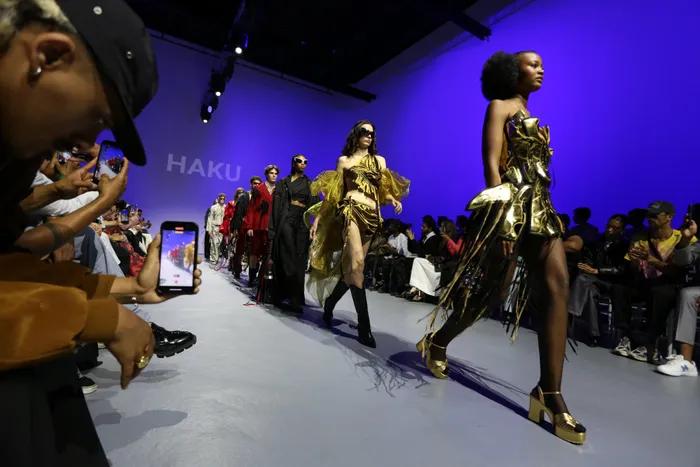
“Week of Fashion South Africa SS27 is bringing established designers, emerging fashion labels and graduate talent together at Cape Town’s V&A Waterfront Silo District from 19 to 22 November 2026. The programme combines menswear, womenswear, graduate showcases and emerging-designer development, highlighting the importance of creating stronger commercial opportunities for South African and African fashion businesses.”
Week of Fashion South Africa SS27 showcases African creativity, emerging designers and the future of the fashion industry
CAPE TOWN, SOUTH AFRICA – 21 NOVEMBER 2026: South Africa’s fashion industry is receiving an important platform for creativity, innovation and business development as Week of Fashion South Africa SS27 brings together established designers, emerging labels and graduate fashion talent at the V&A Waterfront’s Silo District in Cape Town.
Running from 19 to 22 November 2026, the event is an important gathering for the country’s fashion community. Its programme combines different areas of the fashion industry, including menswear, womenswear, emerging designers and graduate collections. Beyond presenting new clothing designs, the showcase provides an opportunity to consider how South African fashion can strengthen its position in the local and international creative economy.
The event is particularly significant because it places established fashion businesses alongside designers who are still developing their professional identities. This creates an environment in which new creative voices can gain visibility while audiences experience the diversity of contemporary African fashion.
According to the event announcement, almost 50 designers are included in the programme, increasing to more than 100 when graduate students are counted. Imprint and Leigh Schubert are among the named headline labels.
A major gathering for South African fashion
Fashion events have an important role in developing the identity of a country’s creative industries. They bring together designers, models, photographers, stylists, manufacturers, retailers, fashion students, media representatives and other professionals.
Week of Fashion South Africa SS27 provides a platform for these different participants to engage with contemporary design and the business opportunities surrounding fashion.
Cape Town is an appropriate setting for the programme. The city has an established reputation as a destination for tourism, culture, creative industries and international events. Hosting a fashion programme at the V&A Waterfront also places the industry within a recognisable destination that attracts local and international visitors.
The Silo District provides an interesting environment for fashion presentations. Its combination of contemporary architecture, cultural spaces and commercial activity offers a setting that can connect fashion with art, tourism and wider creative experiences.
For South African designers, the event represents an opportunity to present their work in a setting where fashion is treated as both artistic expression and commercial activity.
Importantly, the programme is not limited to established names. Emerging labels and graduate designers are also part of the event’s broader direction.
Emerging designers receive an important platform
One of the most important aspects of Week of Fashion South Africa SS27 is its emphasis on developing emerging creative talent.
Entering the fashion industry can be difficult for young designers. Completing a fashion qualification or developing an original collection does not automatically provide access to retailers, manufacturers, buyers or established fashion networks.
Young designers must learn how to develop collections, understand customer preferences, manage production costs, establish brands and communicate the commercial value of their work.
Fashion showcases can help address some of these challenges by providing opportunities for designers to present their collections to relevant audiences.
The inclusion of graduate work and emerging labels alongside established designers creates a valuable opportunity for exposure. It also allows students and young professionals to observe how experienced fashion businesses communicate their identities through clothing, styling, presentation and brand positioning.
However, visibility alone is not enough. A successful fashion development platform should also help designers build lasting relationships with buyers, retailers, manufacturers and other industry professionals.
The important question is whether the opportunities created during the event can translate into practical business results after the final runway presentation.
GradWeek and the importance of fashion education
Fashion education is an essential part of developing a sustainable fashion industry.
Students need more than theoretical knowledge. They must understand the practical processes involved in turning a creative idea into a finished commercial product.
These processes include selecting suitable fabrics, developing patterns, cutting materials, sewing garments, managing quality, creating collections and presenting finished products.
Graduate showcases allow students to demonstrate their technical skills while communicating their individual design approaches.
The inclusion of GradWeek within the wider programme helps connect education with the professional fashion environment.
This relationship is important because the industry needs designers who understand both creativity and production.
A designer may develop an outstanding concept, but successfully delivering a collection requires technical knowledge, reliable suppliers, production planning and an understanding of the intended customer.
Fashion graduates also need opportunities to meet people who can support their professional development.
By placing graduate presentations within a larger fashion programme, the event helps make the transition from education to professional practice more visible.
Future Talent and the development of fashion businesses
Another important element of the programme is the Future Talent incubator.
Emerging designers frequently face challenges that extend beyond the creative process. They need access to mentorship, business knowledge, industry contacts and opportunities to understand how fashion brands operate.
An incubator approach can help address these needs by encouraging the development of commercially sustainable creative businesses.
For example, designers must understand how to calculate production costs, determine appropriate selling prices, manage inventory and develop effective marketing strategies.
They must also identify the customers they want to reach.
A designer producing luxury garments will have different production requirements and customers from a label specialising in affordable streetwear or everyday clothing.
Understanding these differences can help young fashion entrepreneurs develop more focused businesses.
The Future Talent component therefore contributes to a broader discussion about the future of South African fashion: how can creative talent become a sustainable source of employment, entrepreneurship and economic activity?
Menswear and womenswear celebrate different design identities
The inclusion of both menswear and womenswear makes the programme relevant to a broad audience.
South African menswear continues to offer opportunities for experimentation with tailoring, contemporary streetwear, cultural influences and modern everyday clothing.
Designers can explore traditional silhouettes while introducing new approaches to fabrics, construction and presentation.
Womenswear provides another important space for creative expression. Designers can experiment with eveningwear, contemporary tailoring, resort clothing, ready-to-wear collections and culturally influenced garments.
The combination of these categories demonstrates that African fashion should not be understood as a single aesthetic.
South African designers work across different styles, markets, materials and cultural influences. Their collections reflect individual creative identities and the changing preferences of consumers.
A major fashion event provides an opportunity for audiences to appreciate these differences.
It also encourages discussion about how local designers can create distinctive products while remaining commercially competitive.
Fashion events and economic opportunities
Fashion is connected to a much wider network of economic activities.
A successful designer-led fashion business depends on several professionals and suppliers, including textile producers, fabric retailers, patternmakers, machinists, photographers, models, stylists, makeup artists, transport providers and marketing specialists.
Fashion events bring many of these participants together.
They also provide opportunities for businesses to introduce their services, develop partnerships and establish professional relationships.
For small fashion businesses, such connections can be particularly valuable.
A new designer may need a reliable manufacturer to produce a collection. A fashion photographer may use the event to meet potential clients. A retailer may discover a new local label that fits its customer base.
The long-term economic value of a fashion event therefore extends beyond the clothing presented on the runway.
Its success should also be considered in terms of the relationships, business opportunities and industry development that continue after the programme ends.
Promoting South African fashion internationally
South Africa has an opportunity to strengthen its international fashion profile by supporting designers who create distinctive, high-quality products.
International audiences increasingly encounter African fashion through fashion shows, digital platforms, cultural events and retail partnerships.
However, international recognition requires more than attractive runway presentations.
Designers need consistent product quality, professional brand development, dependable production, effective distribution and the ability to meet customer expectations.
Fashion events can contribute to this process by helping designers present their work to wider audiences.
They also provide opportunities to communicate the cultural and creative ideas behind individual collections.
For South African fashion businesses, international exposure can create opportunities to explore new markets and establish partnerships beyond national borders.
Nevertheless, such ambitions require investment in the practical foundations of fashion entrepreneurship.
The importance of commercial opportunities after the runway
The value of Week of Fashion South Africa SS27 will ultimately depend partly on what happens after the event.
A collection can receive positive attention during a presentation, but designers need practical ways to turn that attention into sustainable business activity.
These opportunities may include retailer introductions, buyer meetings, customer enquiries, collaborations, manufacturing partnerships and future collection commissions.
Young designers particularly need support in understanding the commercial process.
They must learn how to produce garments consistently, manage their finances, communicate their value and develop relationships with customers.
Established fashion businesses also benefit from stronger industry networks because collaboration can improve production capacity, distribution and market access.
Consequently, fashion showcases should be considered part of a wider industry development strategy rather than isolated entertainment events.
Cape Town’s contribution to the fashion calendar
Cape Town’s role as host provides another dimension to the programme.
The city offers a combination of tourism, hospitality, retail, creative industries and cultural attractions.
Visitors attending fashion events can also engage with the wider destination through accommodation, restaurants, shopping and other cultural experiences.
This creates potential benefits for businesses operating outside the fashion industry.
Fashion events can contribute to destination marketing by demonstrating that South Africa offers more than traditional tourism attractions.
They can also help introduce local creative businesses to visitors who may not otherwise encounter their work.
The V&A Waterfront’s Silo District offers a recognisable location for this type of cultural and creative activity.
What the event means for the future
Week of Fashion South Africa SS27 highlights an important opportunity for the country’s fashion industry: connecting creative expression with professional development and commercial growth.
Its combination of established designers, emerging labels and graduate showcases places different stages of the fashion journey within one programme.
The event also reinforces the importance of supporting the people behind the clothing.
Designers require access to education, mentorship, manufacturing, marketing, retail relationships and customers if they are to build lasting businesses.
For emerging professionals, participation in a fashion showcase can represent an important introduction to the industry. For established labels, it offers another opportunity to communicate their creative direction and connect with the wider fashion community.
As the programme continues through 22 November, its broader significance lies in the opportunities it creates for South African and African fashion talent.
Ultimately, the future of the country’s fashion industry will depend not only on the collections presented at major events but also on the strength of the businesses, skills and partnerships developed around them.
Week of Fashion South Africa SS27 is an important opportunity to bring these elements together and celebrate the creativity shaping the next generation of African fashion.



