




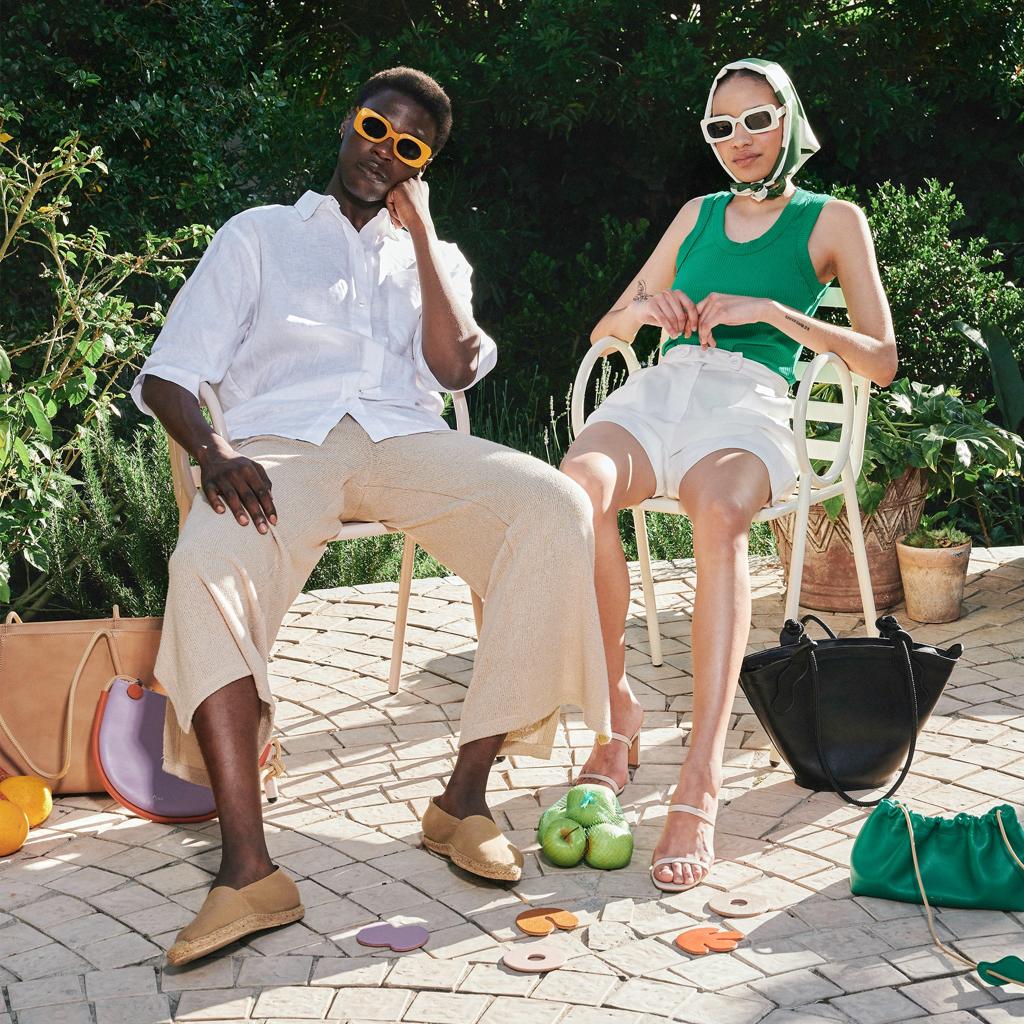
“South African fashion coverage published today highlights the growing relationship between accessories, contemporary design and international fashion influences, including Bvlgari’s Spring/Summer 2026 eyewear collection and Polo South Africa’s Modern Heritage campaign. The developments demonstrate how jewellery-inspired eyewear, statement styling and travel accessories contribute to modern fashion identity while creating opportunities for brands to connect international design influences with South African creativity.”
South African Fashion Accessories Reflect a New Era of Luxury, Heritage and Personal Expression
Contemporary eyewear, statement styling and fashion collaborations highlight the growing influence of accessories
South Africa’s fashion industry continues to evolve as international luxury influences, contemporary design and local creative identities increasingly shape the way consumers approach personal style. Fashion accessories are becoming particularly important in this changing environment, with jewellery-inspired eyewear, distinctive footwear, handbags and travel accessories contributing to the appearance and identity of modern fashion collections.
Fashion coverage published by TimesLIVE on 21 November 2026 highlights several developments connecting Cape Town’s creative influence with international fashion inspiration. Among the featured developments is the Spring/Summer 2026 eyewear collection from Italian luxury fashion house Bvlgari, alongside Polo South Africa’s Modern Heritage campaign and the Adidas Originals collaboration with designer Wales Bonner.
These developments demonstrate how accessories have become more than finishing touches. They represent personal expression, craftsmanship, cultural identity and the ability of fashion brands to connect different generations of consumers.
Eyewear becomes an important luxury fashion statement
One of the notable accessories developments highlighted in the latest fashion coverage is Bvlgari’s Spring/Summer 2026 eyewear collection.
The Italian luxury house is extending its established jewellery and watchmaking design language into eyewear through contemporary silhouettes and decorative metalwork. The collection draws inspiration from recognisable design elements associated with Bvlgari, including Serpenti, Tubogas and Octo.
The Serpenti Viper designs are particularly interesting because they translate jewellery-inspired detailing into wearable eyewear. The new interpretations include oval and rectangular shapes, with futuristic wraparound silhouettes and metal elements influenced by the serpent motif.
This approach illustrates how luxury brands can transfer established design identities between product categories. A design language originally associated with jewellery can become recognisable in sunglasses, creating consistency across different fashion accessories.
For South African consumers, eyewear offers an opportunity to introduce luxury styling without changing an entire wardrobe. A distinctive pair of sunglasses can complement casual clothing, tailored outfits and occasion wear.
Furthermore, eyewear combines appearance with practical functionality. Consumers increasingly consider frame shape, comfort, lens quality, durability and suitability for everyday activities when selecting fashionable sunglasses.
The development also illustrates the importance of craftsmanship in premium accessories. Metal detailing, lightweight construction and carefully considered proportions can influence both the appearance and comfort of eyewear.
Jewellery-inspired design expands accessory possibilities
Jewellery continues to influence the wider accessories market because it provides designers with opportunities to experiment with materials, shapes, textures and decorative techniques.
Bvlgari’s eyewear development demonstrates this relationship particularly clearly. Rather than treating sunglasses as ordinary protective equipment, the collection incorporates visual characteristics associated with fine jewellery.
This approach creates opportunities for consumers who appreciate coordinated accessories. Sunglasses can complement necklaces, earrings, bracelets, watches and other decorative items.
However, the broader significance extends beyond luxury brands.
South African designers and independent jewellery businesses can also explore opportunities to combine traditional craftsmanship with contemporary product categories. Local materials, distinctive patterns and cultural influences can contribute to accessories that communicate a recognisable South African identity.
Jewellery-inspired accessories also allow fashion businesses to develop products for different customer segments, including affordable everyday fashion, premium accessories and specialised luxury collections.
As consumer preferences continue to change, the ability to offer distinctive products with clear design identities could become an important competitive advantage.
Polo South Africa highlights modern heritage
Another important development in the TimesLIVE report is Polo South Africa’s Modern Heritage campaign, featuring fashion designer Wanda Lephoto.
The campaign explores the relationship between inherited cultural identity and contemporary personal style. Instead of treating heritage as something fixed in the past, the concept presents it as an influence that can be reinterpreted through modern fashion.
The styling combines classic Polo garments, including golf shirts, tailored separates and knitwear, with contemporary denim and brighter accessories.
Accessories play an important role in this approach because they can connect traditional styling with modern fashion preferences.
Travel accessories are particularly relevant to the collection’s broader lifestyle direction. They contribute to a coordinated appearance while supporting practical everyday use.
The campaign also demonstrates how fashion brands can use creative partnerships to communicate their identity.
By working with a South African designer, Polo connects its established brand image with local creative interpretation. This relationship offers an opportunity to introduce heritage-inspired fashion to younger consumers while maintaining the appeal of familiar styles.
For South Africa’s accessories industry, the campaign reinforces the importance of understanding the relationship between clothing, accessories and cultural identity.
Footwear strengthens the connection between fashion and individuality
Footwear remains one of the most influential accessory categories in contemporary fashion.
The Adidas Originals by Wales Bonner Fall/Winter 2026 collection, also highlighted in the TimesLIVE coverage, explores the relationship between sportswear heritage, luxury influences and cultural expression.
The collection includes reinterpreted archival silhouettes and footwear that combines familiar sportswear references with distinctive materials and design details.
Products such as suede footwear demonstrate how material selection can influence the character of an accessory.
Footwear is no longer evaluated only according to comfort and functionality. Consumers also consider its relationship with personal identity, fashion trends, quality and versatility.
In South Africa, where fashion consumers participate in diverse streetwear, sportswear, formal and casual styling cultures, footwear offers an important opportunity for individual expression.
The growing relationship between sportswear and premium fashion also creates opportunities for retailers to appeal to customers interested in products that combine everyday practicality with distinctive design.
South African designers have opportunities to strengthen local accessories
The developments highlighted in the latest coverage provide an opportunity to consider the position of South African accessory designers within the broader fashion economy.
Local designers operate in a market influenced by international brands, changing consumer expectations and growing interest in products that communicate individual identity.
Handbags, jewellery, eyewear, scarves, belts, hats and footwear offer opportunities to develop distinctive local products.
South Africa also has a rich creative environment in which traditional craft techniques and contemporary design can influence one another.
Beadwork, leather craftsmanship, textile experimentation and locally inspired decorative techniques can contribute to products that distinguish South African accessories from mass-produced alternatives.
Independent designers can benefit from presenting their products through fashion events, curated retail platforms, digital marketplaces and collaborations with established clothing brands.
These opportunities are important because accessories can offer a focused entry point into the fashion market. A designer does not necessarily need to develop a complete clothing collection before introducing a distinctive jewellery or handbag range.
Nevertheless, long-term success requires attention to product quality, production consistency, pricing, distribution and customer service.
Consumers increasingly look for versatility and quality
Modern fashion consumers face a wide range of accessory choices, from affordable everyday products to premium international luxury items.
Consequently, purchasing decisions increasingly involve balancing design, quality, functionality and price.
A versatile handbag, for example, can complement different outfits and serve practical everyday purposes. Similarly, well-designed sunglasses can become a regular part of a consumer’s wardrobe.
Jewellery offers another opportunity to create different appearances without purchasing additional clothing.
These considerations are particularly relevant in a competitive retail environment where consumers must decide which purchases offer lasting value.
Brands that provide accurate product descriptions, transparent pricing, clear material information and reliable customer support can strengthen consumer confidence.
For premium accessories, authenticity and after-sales service are also important considerations.
The commercial importance of fashion collaborations
The featured developments also demonstrate the commercial value of collaborations between established brands and creative professionals.
Bvlgari draws on its established luxury design heritage to develop eyewear. Polo South Africa uses Wanda Lephoto’s creative interpretation to communicate modern heritage. Adidas Originals and Wales Bonner combine sportswear heritage with a distinctive fashion perspective.
Such collaborations can introduce brands to new audiences while providing designers with opportunities to explore different product categories.
For South African fashion businesses, partnerships with stylists, designers, artists, photographers and cultural creatives can help strengthen brand identity.
However, successful collaborations require more than promotional visibility. Product quality, design consistency and a clear understanding of the target customer remain essential.
The future of South African fashion accessories
The latest developments suggest that fashion accessories will continue to play an important role in shaping contemporary fashion.
Eyewear is increasingly influenced by jewellery aesthetics. Footwear continues to connect sportswear and premium design. Travel accessories contribute to modern lifestyle collections, while heritage-inspired styling provides opportunities for brands to communicate cultural identity.
For South African designers and retailers, these developments create opportunities to strengthen local creativity and develop products that respond to both domestic and international fashion interests.
The country’s creative businesses can benefit from combining distinctive local influences with contemporary product development, responsible production and strong brand storytelling.
Ultimately, accessories are important because they allow consumers to communicate individuality through relatively small but influential fashion choices.
From sunglasses and jewellery to footwear and travel accessories, the products highlighted in the 21 November fashion coverage demonstrate that the future of fashion is not determined by clothing alone.
The accessories that accompany an outfit can be equally important in defining its identity, communicating its inspiration and creating a memorable personal style.
Retailers must respond to changing consumer expectations
Fashion retailers also have an important role to play in making accessories more accessible to different consumer groups.
Customers are increasingly exposed to international fashion collections through social media, digital publications and online shopping platforms. This creates opportunities for South African businesses to introduce products that respond to global design influences while maintaining locally relevant pricing and styling.
Retailers can strengthen their offerings by providing a combination of everyday accessories, seasonal fashion products and premium statement pieces.
Digital marketing can further support this development. High-quality product photography, styling demonstrations, customer reviews and clear product information help shoppers understand how accessories can be incorporated into their wardrobes.
For smaller South African businesses, social media platforms provide opportunities to communicate directly with customers, showcase new collections and build relationships without depending exclusively on traditional retail environments.
Sustainability and responsible accessory purchasing
Another important consideration for the future of accessories is sustainability.
Consumers and designers are increasingly considering product durability, material selection, manufacturing processes and the lifespan of fashion products.
Accessories such as handbags, leather belts, watches and quality footwear can remain useful for many years when they are properly manufactured and maintained.
This creates opportunities for businesses to explore repair services, responsible sourcing, recycled materials and second-hand luxury markets.
South African designers can also benefit from exploring production methods that reduce unnecessary waste while maintaining product quality.
Consumers, meanwhile, can make more considered purchasing decisions by prioritising versatile designs, checking material specifications and selecting products suited to their everyday needs.
Conclusion: Accessories shape the future of fashion
The fashion developments highlighted on 21 November 2026 demonstrate the growing importance of accessories in contemporary fashion.
Bvlgari’s jewellery-inspired eyewear, Polo South Africa’s Modern Heritage campaign and the Adidas Originals collaboration with Wales Bonner illustrate different ways brands are using accessories and styling to communicate creativity, heritage and individuality.
For South Africa, these developments create opportunities for local designers, manufacturers, retailers and independent creative businesses to strengthen their position within the fashion industry.
As consumer preferences continue to evolve, accessories will remain important because they combine practical functionality with personal expression.
The future of South African fashion accessories will depend on creativity, quality, innovation, cultural relevance and the ability of local businesses to respond to changing consumer expectations.



