




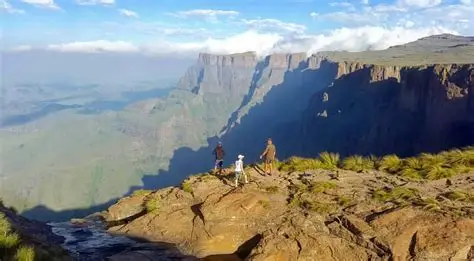
“South Africa has recorded a 12.8% increase in international arrivals between January and May 2026, driven by visa-free entry agreements and rising global demand for safari and adventure travel. Improved flight connectivity and diverse adventure offerings—from safaris to shark cage diving—are cementing the country’s reputation as a global hub for immersive experiences.”
Adventure tourism in South Africa is experiencing a renaissance in 2026. With international arrivals surging by more than 12%, the country is positioning itself as a global hub for safari, eco-tourism, and adrenaline-fueled travel. This growth reflects strategic policy changes, expanded flight connectivity, and a renewed appetite for immersive wildlife and cultural experiences.
Visa-Free Entry Policies
One of the most significant drivers of this boom is the expansion of visa-free entry agreements with countries including the United Kingdom, Germany, Brazil, Australia, and Namibia. By reducing bureaucratic barriers, South Africa has made itself more accessible to high-value international markets. For adventure travelers, this ease of entry translates into greater spontaneity in planning trips, encouraging exploration beyond traditional tourist hubs.
Safari Tourism Demand
Safari tourism remains the cornerstone of South Africa’s adventure appeal. Iconic destinations such as Kruger National Park, Pilanesberg, and private reserves like Sabi Sands continue to attract visitors eager to experience the Big Five. Lodges ranging from budget-friendly camps to luxury retreats are reporting record bookings, with occupancy rates exceeding pre-pandemic levels. Global marketing campaigns emphasizing conservation, eco-tourism, and cultural immersion have amplified this surge.
Flight Connectivity and Infrastructure
Improved air connectivity has played a crucial role in sustaining momentum. Expanded routes from Europe, the Americas, and Asia have made South Africa more accessible than ever. Johannesburg’s OR Tambo International Airport and Cape Town International Airport have seen increased traffic, with airlines introducing direct flights from major hubs such as London, Frankfurt, São Paulo, and Sydney. This accessibility encourages both short-term leisure travelers and long-haul visitors seeking extended stays.
Adventure Beyond Safaris
While safaris dominate headlines, South Africa’s adventure tourism extends far beyond wildlife. Activities such as:
- Shark cage diving in Gansbaai
- Hiking the Drakensberg Mountains
- Surfing in Durban
- Paragliding over Cape Town’s Table Mountain
These experiences are drawing thrill-seekers from around the world, diversifying South Africa’s adventure portfolio.
Economic and Cultural Impact
Adventure tourism is a vital contributor to South Africa’s economy. The surge in arrivals is boosting hospitality, transport, and local businesses, while also encouraging community-based tourism initiatives. Conservation-focused projects are ensuring that growth aligns with sustainability, protecting ecosystems while empowering local communities.
Conclusion
South Africa’s adventure travel boom in 2026 is more than a tourism surge—it is a strategic transformation. By combining visa-free access, improved connectivity, and diverse adventure offerings, the country is redefining itself as a premier global destination for travelers seeking both thrill and meaning.



