




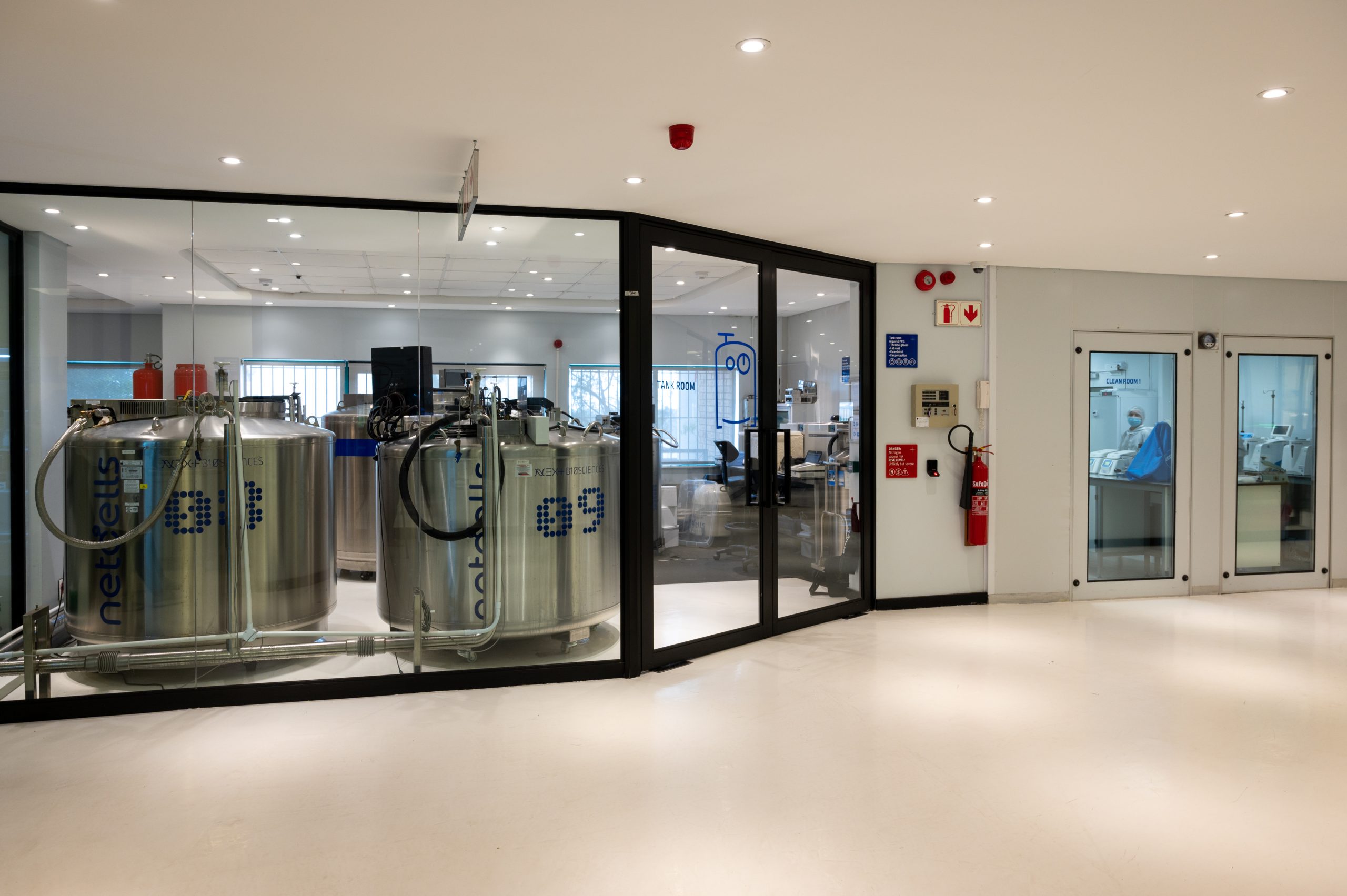
“South Africa’s CSIR, in collaboration with Germany’s KfW and funded by the European Union, has launched the Southern African Biomanufacturing Training Hub to strengthen biotechnology and pharmaceutical manufacturing capacity. The hub will train up to 400 candidates annually, enhancing health security, industrial competitiveness, and positioning South Africa as a continental biomanufacturing leader.”
Biotechnology has become a cornerstone of modern health security and industrial competitiveness. In South Africa, the latest milestone is the establishment of the Southern African Biomanufacturing Training Hub, a strategic initiative by the Council for Scientific and Industrial Research (CSIR), the German Development Bank (KfW), and the European Union (EU). This hub represents a transformative step toward building a resilient biotechnology ecosystem capable of supporting vaccine, pharmaceutical, and biopharmaceutical production across Africa.
Background and Context
South Africa has long been recognized as a regional leader in scientific innovation. However, the COVID-19 pandemic exposed vulnerabilities in Africa’s reliance on imported medicines and vaccines. The EU’s Global Gateway flagship project aims to address these vulnerabilities by investing in local manufacturing and workforce development. The CSIR-led hub is part of this broader initiative, focusing specifically on skills development and training infrastructure.
Objectives of the Training Hub
- Workforce Development: Train up to 400 candidates annually in biomanufacturing skills.
- Health Security: Reduce dependence on imported vaccines and pharmaceuticals.
- Industrial Competitiveness: Position South Africa as a continental hub for biotechnology.
- Innovation Ecosystem: Strengthen partnerships between government, academia, and industry.
Strategic Importance
The hub is not just about training—it is about building sovereignty in health technologies. By equipping professionals with skills in bioprocess development, vaccine production, quality control, and large-scale manufacturing, South Africa can respond more effectively to future health crises. This initiative also aligns with the country’s industrial policy, which emphasizes technology-driven growth.
Economic and Social Impact
- Job Creation: The biomanufacturing sector is expected to generate thousands of jobs.
- Industrial Growth: Strengthened local production will reduce import costs and stimulate domestic industries.
- Technological Advancement: The hub will foster innovation in genomics, diagnostics, and therapeutics.
- Regional Leadership: South Africa will serve as a model for other African nations seeking to build biotechnology capacity.
Voices from Leadership
Dr. Thulani Dlamini, CEO of CSIR, emphasized: “Building a strong biomanufacturing sector requires both world-class infrastructure and people with the prerequisite skills to translate scientific innovation into products that improve lives.”
Dr. Santosh Ramchuran, director of the hub, highlighted the structured training program: “We’ve designed a pathway from foundational skills to specialist expertise, combining theoretical learning with hands-on training.”
Challenges and Risks
While the initiative is promising, challenges remain:
- Sustained Investment: Long-term funding is essential to maintain infrastructure.
- Global Competition: South Africa must compete with established biotech hubs in Europe and Asia.
- Policy Alignment: Government policies must continue to support innovation and industrial growth.
Future Outlook
Over the next two years, the hub will expand training programs, strengthen partnerships, and enhance Africa’s capacity to produce vaccines and pharmaceuticals. This initiative is expected to transform South Africa into a biotechnology powerhouse, reducing vulnerabilities and ensuring greater health security for the continent.
Conclusion
The launch of the Southern African Biomanufacturing Training Hub marks a historic step for biotechnology in South Africa. By combining international partnerships, local expertise, and strategic investment, the country is poised to lead Africa in vaccine and pharmaceutical manufacturing. This initiative not only strengthens health security but also drives industrial growth, job creation, and technological innovation.



