




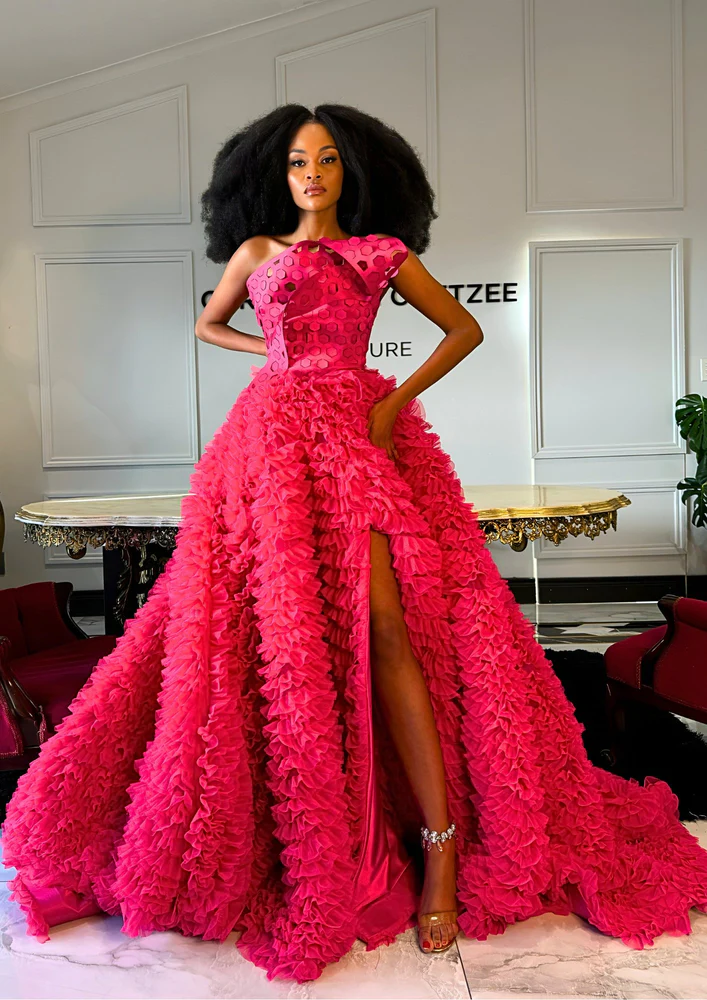
“The 130th edition of the Hollywoodbets Durban July transformed South Africa’s premier fashion showcase into a luxury spectacle, merging countryside heritage with avant-garde couture under the theme “Country Allure.” Designers like Gert-Johan Coetzee and influencers such as Somizi Mhlongo elevated rural motifs into globally relevant fashion narratives.”
The Durban July 2026 has once again proven why it is South Africa’s most prestigious fashion event, transcending its horse-racing origins to become a global showcase of luxury, creativity, and cultural identity. This year’s theme, “Country Allure”, challenged designers to reinterpret rural elegance through couture, heritage prints, and futuristic aesthetics, creating a dialogue between tradition and innovation.
Theme and Interpretation
“Country Allure” celebrated the elegance of South Africa’s countryside—rolling hills, vineyards, and equestrian traditions. Designers leaned into earthy neutrals (sand, stone, soft brown), jewel tones (emerald, sapphire, ruby), and metallics (chrome silver, rose gold) to reflect digital aesthetics. Some embraced authenticity, while others leaned toward Wild West-inspired aesthetics, sparking lively debate among critics about the balance between heritage and modernity.
Designer Highlights
- Gert-Johan Coetzee unveiled couture gowns for Kefilwe Mabote and Lerato Kganyago, fusing luxury detailing with countryside motifs.
- Emerging designers showcased Ndebele-inspired prints, neon-updated animal motifs, and metallic fabrics, connecting heritage to digital culture.
- Collections demonstrated how South African couture can reinterpret rural themes with avant-garde precision, proving that local identity can be globally relevant.
Influencer Narratives
Fashion influencers amplified the cultural resonance of the event:
- Somizi Mhlongo and Zola Mhlongo arrived via private jet, embodying luxury interpretations of “Country Allure.”
- Thobeka “Thobi Rose” Mthembu and Juicy Jay Jwacu drove from Johannesburg to Durban, turning their countryside road trip into a fashion statement. Their content highlighted authentic engagement with rural landscapes, blending lifestyle and fashion storytelling.
Broader Fashion Trends in South Africa
The Durban July coincided with broader 2026 fashion trends:
- Earthy neutrals grounding collections.
- Jewel tones adding vibrancy.
- Metallics reflecting digital aesthetics.
- Pastels balancing bold tones for summer.
These trends illustrate how South African fashion is anchored in local identity yet globally relevant.
Cultural and Economic Impact
The Durban July is not only a fashion spectacle but also an economic driver:
- Luxury brands and designers benefit from exposure to international buyers.
- Tourism spikes as visitors flock to Durban for both racing and fashion.
- Local artisans gain opportunities to showcase heritage crafts in couture contexts.
Global Positioning of South African Luxury Fashion
Durban July 2026 reinforced South Africa’s role in the global luxury fashion ecosystem. By merging heritage with futurism, the event demonstrated that African couture can compete with Paris, Milan, and New York. The emphasis on sustainability, cultural authenticity, and digital aesthetics reflects global luxury trends while maintaining a distinctly South African identity.
Conclusion
The Durban July 2026 was more than a fashion event—it was a statement of cultural pride, luxury innovation, and global relevance. By reinterpreting countryside heritage through couture, South African designers proved that luxury fashion can be both rooted in tradition and forward-looking. As Durban cements its place as a cultural capital, the world is watching South Africa’s luxury fashion industry with growing admiration.



