




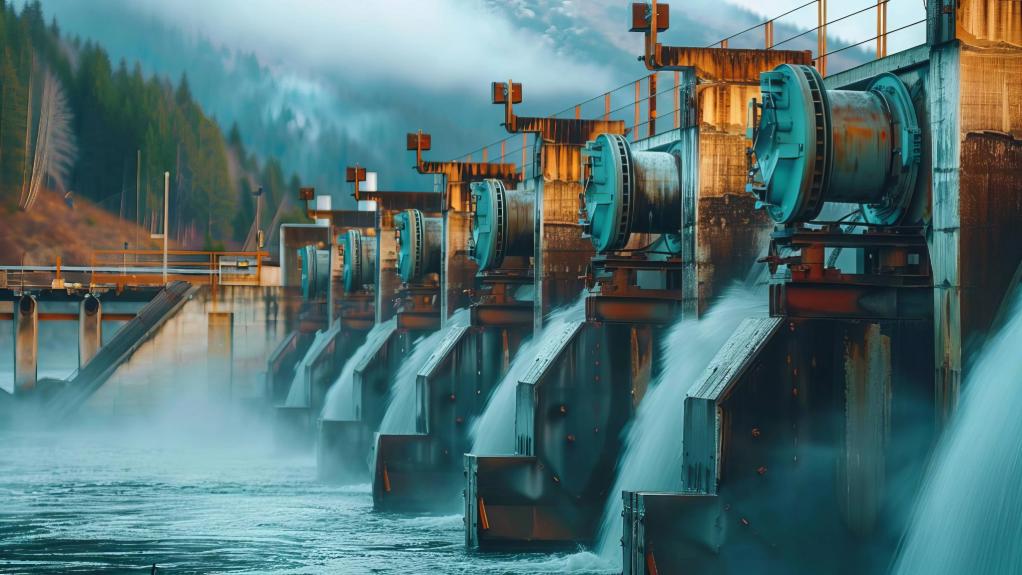
“Eskom is seeking a strategic private-sector partner to help develop the proposed 1.5GW Tubatse pumped-storage scheme in Limpopo, which is designed to store approximately 21GWh of energy and deliver electricity for up to 14 hours at full output. The project is intended to improve grid stability, accommodate more renewable electricity and strengthen South Africa’s long-term energy security, although financing, construction and implementation will determine when its benefits can be realised.”
South Africa’s electricity sector has taken another significant step towards strengthening long-term energy security after Eskom announced plans to secure a strategic partner for the proposed 1.5-gigawatt (GW) Tubatse Pumped Storage Scheme in Limpopo. The project is expected to become the country’s largest pumped-storage development, providing substantial energy storage capacity to support renewable electricity generation and improve the reliability of the national power system.
The announcement, reported by the Sunday Times on 14 October 2026, highlights the growing importance of energy storage as South Africa develops a more diverse electricity supply. Through Eskom Green, the state-owned utility intends to combine its infrastructure experience with private-sector financing, technical expertise and development capabilities to advance the project.
The proposed facility would store approximately 21 gigawatt-hours (GWh) of energy and generate electricity at full output for up to 14 hours. These capabilities could help balance supply and demand, particularly when solar and wind generation fluctuates or electricity demand rises. However, the project’s ultimate contribution will depend on financing, construction, regulatory arrangements and successful integration with the national grid.
A major investment in South Africa’s energy infrastructure
The Tubatse project represents a substantial proposed investment in the infrastructure needed to modernise South Africa’s electricity system. Located near Roossenekal in Limpopo, the scheme is being developed under Eskom Green, the utility’s planned renewable-energy business.
Eskom has launched a request-for-qualification process to identify potential strategic partners. Interested organisations must demonstrate financial capacity, technical expertise, experience in major infrastructure development and a commitment to advancing the project over the long term.
According to Eskom’s announcement of 13 October, the qualification stage will be followed by a request-for-proposals process involving suitable candidates. Detailed partnership arrangements, financing structures and commercial terms are expected to be developed through the subsequent procurement process.
The project is therefore moving beyond an initial concept, although the announcement does not mean construction has been completed or that the facility is already supplying electricity.
Eskom says that the required land has been secured, environmental authorisation has been granted, and important technical studies and access-road designs have progressed substantially. Grid connection studies have also advanced, while the Department of Water and Sanitation has confirmed water availability from De Hoop Dam.
These milestones may make the development more attractive to prospective investors because some important preparatory work has already been undertaken.
How pumped-storage technology works
Pumped-storage hydropower is a method of storing energy by moving water between reservoirs at different elevations. When electricity is available in excess of immediate demand, the facility uses that electricity to pump water to a higher reservoir.
When demand increases, water is released back through turbines, generating electricity that can be delivered to the grid.
Unlike conventional generation, which produces electricity from fuel or another energy source, pumped storage shifts electricity from one period to another. It is therefore particularly valuable when a power system increasingly depends on renewable sources whose output varies with weather conditions and time of day.
The proposed Tubatse facility is designed to use four reversible pump-turbine units. Together, these units are expected to provide up to 1.5GW of generating capacity and approximately 21GWh of storage.
At maximum output, that energy capacity corresponds to approximately 14 hours of generation. Actual operating duration would depend on the available stored energy, operating conditions and the way the facility is dispatched.
This combination of power capacity and storage duration could help the electricity system manage extended periods of high demand, rather than relying exclusively on shorter-duration storage technologies.
Supporting solar and wind generation
South Africa’s renewable-energy expansion creates a growing need for infrastructure that can manage differences between when electricity is generated and when consumers need it.
Solar plants typically generate most strongly during daylight hours, while electricity demand can remain high into the evening. Wind generation also varies according to weather conditions. Without sufficient flexibility, the grid may struggle to accommodate all available renewable electricity at certain times.
Energy curtailment occurs when available generation must be reduced because the system cannot safely or practically accommodate the electricity. Network constraints and changing supply-demand conditions can contribute to this problem.
Tubatse is intended to address part of that challenge by storing surplus electricity when demand is relatively low and releasing it when renewable generation declines or the grid requires additional supply.
Consequently, the facility could help the country make better use of existing wind and solar assets. It could also reduce the need to rely on more expensive or less flexible generation during certain periods, depending on operating costs and market conditions.
Eskom has also identified potential grid-stability services, including frequency response, operating reserves and voltage support, as important functions of the proposed scheme.
Nevertheless, storage cannot replace every component of a reliable electricity system. Transmission infrastructure, dependable generation, appropriate maintenance and effective system management will remain essential.
How the project fits into national energy planning
The Tubatse announcement comes as the government pursues a broader programme to improve flexibility and expand electricity infrastructure.
Electricity and Energy Minister Kgosientsho Ramokgopa has recently prioritised the procurement of 4,600 megawatts of battery energy storage and 5,000MW of gas-to-power capacity. Together, these allocations represent 9,600MW intended to address storage requirements, provide flexible generation and improve the ability of the power system to respond to changing demand.
At the same time, South Africa plans to expand its high-voltage transmission network substantially to connect new renewable-energy projects and other generation sources to consumers.
These developments illustrate that energy security requires more than adding generation capacity. Electricity must also be stored where appropriate, transmitted efficiently and delivered when households and businesses need it.
Tubatse would contribute a long-duration storage option alongside battery systems, conventional generation and renewable-energy facilities.
Eskom Green has outlined ambitions to develop up to 6GW of capacity by 2030, increase its clean-energy portfolio to 21GW by 2035 and reach as much as 32GW by 2040. Its plans include hydroelectric and pumped-storage capacity.
These are future targets rather than completed achievements. Their realisation will depend on investment, project delivery, market conditions and the development of supporting infrastructure.
Private-sector participation and financing
Securing a strategic partner is central to the next stage of Tubatse’s development. Large infrastructure projects require substantial capital, specialist engineering capabilities and long-term financial planning.
Eskom is seeking organisations capable of contributing the resources needed to develop and deliver the facility. A partnership could allow the utility to draw on private-sector expertise while retaining its own experience in operating electricity infrastructure.
Eskom has indicated that the project could be housed in a ring-fenced special-purpose vehicle. Financing options may include limited-recourse debt and, where appropriate, development-finance institutions or concessional funding.
The final structure has not yet been established. Prospective investors will need to assess construction costs, expected revenues, operational expenses, financing risks and the regulatory framework.
A credible revenue model will be particularly important. Eskom has identified a possible route involving a long-term agreement supported by a ministerial determination under electricity legislation. Alternative arrangements could involve bilateral contracts with private electricity buyers, wheeling and energy-trading opportunities, subject to applicable regulations.
The eventual model will influence the project’s bankability and the confidence investors can place in future income.
Economic opportunities for Limpopo
Beyond electricity supply, the proposed development could create economic opportunities in Limpopo.
Construction of a project of this scale may generate demand for civil engineering, electrical equipment, transport, professional services and other supporting activities. Local businesses could benefit if procurement policies and contractor arrangements enable them to participate competitively.
The project may also create employment opportunities during development and construction, followed by specialised operational and maintenance roles once the facility enters service.
However, these potential benefits should not be confused with confirmed employment figures or guaranteed contracts. The number and duration of jobs will depend on the final project design, construction schedule, procurement decisions and operating requirements.
Eskom has emphasised localisation, skills development and economic growth as objectives of the proposed partnership. Delivering those outcomes will require practical commitments, transparent procurement and appropriate training arrangements.
Community engagement will also be important. Residents and businesses near the development will need clear information about land use, construction activity, environmental management and the expected distribution of local benefits.
Environmental considerations and the just energy transition
Tubatse has been classified as a national priority infrastructure project and forms part of South Africa’s Just Energy Transition Programme.
Pumped storage can support the transition towards lower-carbon electricity by enabling greater use of renewable generation. Nevertheless, its environmental performance must be considered across the full project lifecycle.
Water management, construction impacts, biodiversity, land use and the protection of nearby communities will require continued attention. Environmental authorisation is an important milestone, but responsible implementation also depends on compliance with approval conditions and effective monitoring.
The facility’s climate benefits will depend partly on the electricity used for pumping and the generation it helps displace when releasing stored energy. Because energy is lost during storage and recovery, pumped storage does not create additional primary energy; it shifts electricity across time.
Careful operational planning will therefore be necessary to ensure the scheme contributes effectively to the electricity system’s environmental and reliability objectives.
Challenges and next steps
Although important preparatory work has advanced, several stages remain before Tubatse can deliver electricity.
Eskom must complete its partner-selection process, establish a commercially viable financing arrangement, finalise project development requirements and progress towards construction. Grid connection, procurement, engineering and construction schedules will influence the eventual commissioning date.
Investors will also need clarity on electricity-market arrangements and the mechanisms through which the facility will be compensated for its contribution to the power system.
The project’s scale makes cost control and delivery discipline especially important. Delays, unexpected construction expenses or changes in financing conditions could affect its overall economics.
Furthermore, Tubatse will not independently resolve every challenge facing South Africa’s electricity sector. Transmission expansion, dependable generation, distribution infrastructure and the financial health of electricity institutions will continue to influence supply reliability and affordability.
The strategic partnership process is therefore an important step, but it should be assessed as part of a wider programme of electricity-sector reform and investment.
Conclusion
Eskom’s search for a strategic partner for the proposed 1.5GW Tubatse Pumped Storage Scheme marks an important development in South Africa’s energy-storage plans. With approximately 21GWh of proposed storage, up to 14 hours of full-output generation and several key preparatory milestones already reported, the project has the potential to improve grid flexibility and support greater integration of renewable electricity.
Its success, however, will depend on securing suitable investment, establishing viable commercial arrangements and delivering the infrastructure effectively. The development could also provide economic opportunities in Limpopo if local participation, skills development and responsible environmental management are incorporated into implementation.
For South Africa, the wider significance is clear: a reliable and increasingly renewable electricity system requires storage and transmission infrastructure alongside new generation. Tubatse could become an important part of that system, provided the project advances from strategic planning to funded construction and eventual operation.



