




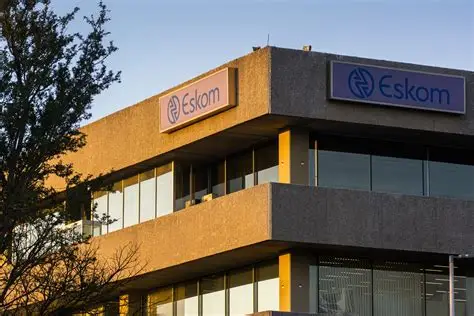
“Eskom has delivered its second consecutive profitable year, posting R30.3 billion in earnings, driven by tariff hikes and reduced primary energy costs. However, the utility’s financial stability is threatened by ballooning municipal debt, now standing at R119 billion, raising concerns about sustainability and future electricity pricing.”
South Africa’s energy giant, Eskom, has once again posted a profit, marking its second consecutive year in the black. The utility reported earnings of R30.3 billion, a sharp increase from R14 billion in the previous year. While this turnaround signals operational improvements, the shadow of R119 billion in municipal debt looms large, threatening to undermine Eskom’s financial recovery.
Profit Drivers
- Tariff Increases: A 12.74% standard tariff hike boosted revenue by 4.1%.
- Cost Management: Operating costs rose only 2%, while primary energy costs fell by R11 billion, largely due to reduced reliance on expensive emergency generation.
- Efficiency Gains: Improved energy efficiency and self-generation by industries reduced Eskom’s fuel burden.
Demand Weakness
Despite profitability, electricity sales volumes fell by 6.2%, with industrial demand dropping a staggering 22.5%. Energy-intensive industries are increasingly turning to self-generation and renewable alternatives, leaving Eskom with surplus capacity.
Municipal Debt Crisis
The most pressing issue is the R119 billion owed by municipalities. This debt has ballooned over the past decade, reflecting poor governance, weak revenue collection, and political disputes between local governments and Eskom. Without resolution, Eskom risks liquidity constraints that could derail its recovery.
Cape Town’s Alternative Deals
In a parallel development, the City of Cape Town signed two 20-year agreements with independent solar producers, Jempec Energy and Make a Difference, to secure 70MW of cheaper electricity. Valued at R8 billion, these deals highlight growing municipal independence from Eskom and signal a shift toward decentralized energy procurement.
Broader Financial Implications
- Households: Continued tariff hikes mean families face rising electricity bills, despite Eskom’s profitability.
- Government: The state, as Eskom’s sole shareholder, must balance bailout risks with fiscal discipline.
- Investors: Eskom’s profitability may restore some confidence, but unresolved debt issues remain a red flag.
Market Context
On September 1, 2026, the JSE All Share Index fell 1.6%, reflecting investor caution amid global market volatility. Brent crude hovered above $91 per barrel, while the rand traded at R16.11 to the dollar. Eskom’s financial story thus unfolds against a backdrop of broader economic pressures.
Risks and Challenges
- Debt Recovery: Without a clear municipal debt repayment plan, Eskom’s cash flow remains vulnerable.
- Demand Decline: Industrial self-generation could permanently reduce Eskom’s customer base.
- Political Pressure: Tariff hikes are politically unpopular, especially in low-income communities.
- Competition: Municipalities like Cape Town are increasingly bypassing Eskom, eroding its monopoly.
Strategic Outlook
Eskom must:
- Negotiate structured repayment plans with municipalities.
- Diversify revenue streams by selling surplus electricity to neighboring countries.
- Accelerate renewable integration to remain competitive.
- Improve governance and transparency to rebuild public trust.
Conclusion
Eskom’s R30 billion profit rebound is a remarkable achievement, but the R119 billion municipal debt crisis threatens to undo this progress. The utility stands at a crossroads: either it resolves its debt and adapts to a changing energy landscape, or it risks sliding back into financial instability. For South Africans, the outcome will directly affect electricity affordability, economic growth, and the country’s energy future.



