




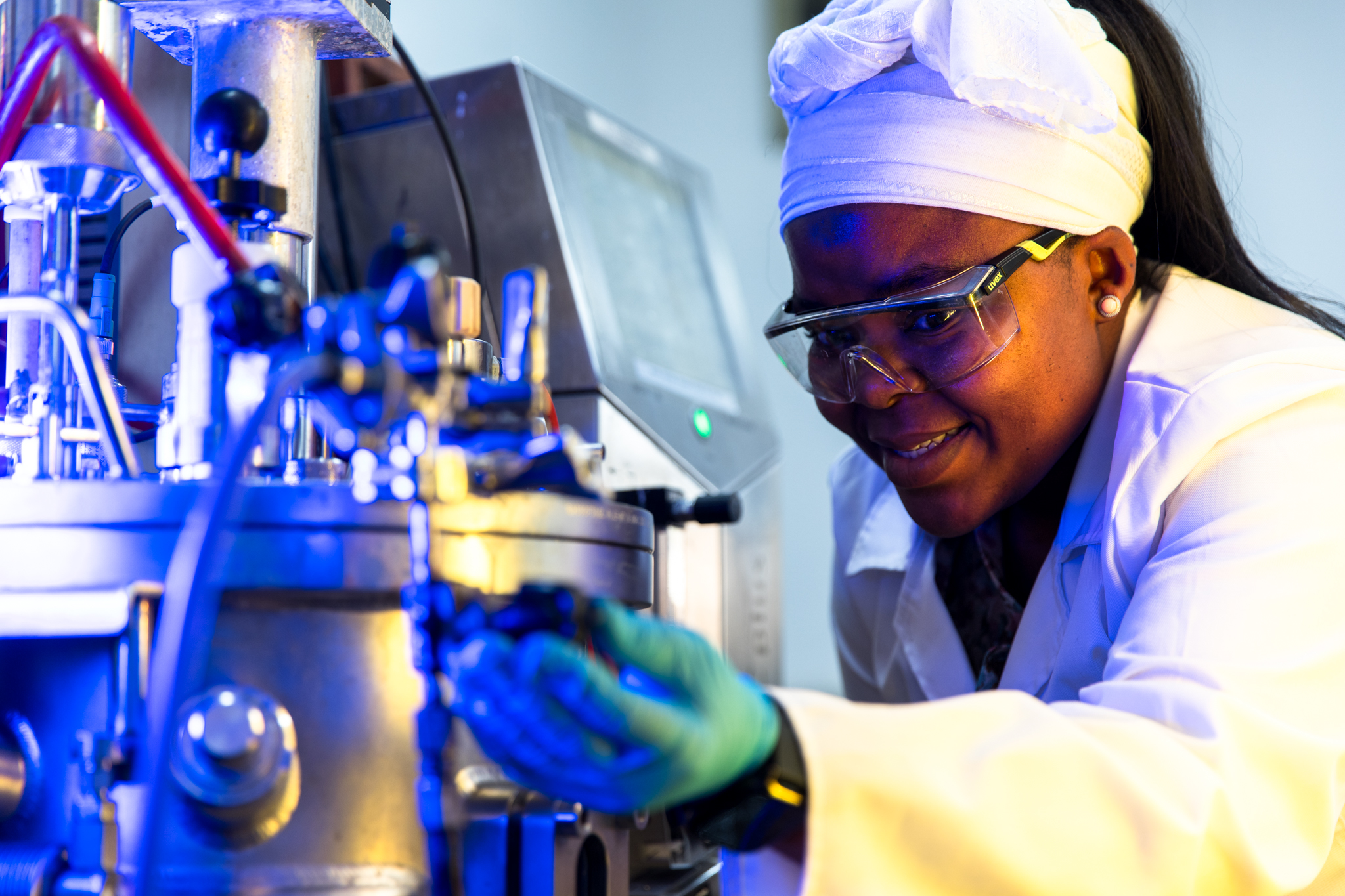
“South Africa has launched the Southern African Biomanufacturing Training Hub, funded by the European Union’s Global Gateway initiative and Germany’s KfW Development Bank. The hub will train up to 400 specialists annually in vaccine and pharmaceutical production, strengthening Africa’s health resilience and positioning South Africa as a biotechnology leader.”
Biotechnology has emerged as one of the most critical sectors in shaping Africa’s future health security and industrial competitiveness. On September 8, 2026, South Africa unveiled the Southern African Biomanufacturing Training Hub, a landmark initiative backed by the European Union (EU) and Germany’s KfW Development Bank. This project represents not only a technological milestone but also a strategic geopolitical investment in Africa’s scientific independence.
Background & Context
The COVID‑19 pandemic exposed Africa’s vulnerability to global supply chain disruptions in vaccines and medicines. Despite South Africa’s progress in local vaccine production, the continent still imports the majority of its pharmaceuticals. The EU’s Global Gateway flagship project aims to address this imbalance by investing in biomanufacturing capacity, skills development, and health technology access.
Objectives of the Training Hub
- Train 400 candidates per year in biomanufacturing.
- Offer structured programs from foundational to advanced levels.
- Focus on bioprocess development, vaccine production, quality control, and large‑scale operations.
- Strengthen health security by ensuring Africa can produce its own vaccines and therapeutics.
Strategic Importance
- Health Security: Reduces reliance on imports and external supply chains.
- Industrial Competitiveness: Positions South Africa as a biotechnology hub for Africa.
- Job Creation: Expands opportunities in pharmaceutical and biopharmaceutical industries.
- Innovation Ecosystem: Encourages collaboration between academia, government, and industry.
Partnerships and Collaboration
The hub will be managed by the Council for Scientific and Industrial Research (CSIR) in partnership with national and international institutions. The EU’s involvement underscores Europe’s commitment to Africa’s health resilience, while KfW’s role highlights Germany’s investment in sustainable development.
Training Infrastructure
Funding will upgrade CSIR’s existing facilities, enabling hands‑on training with modern equipment. This infrastructure will support:
- Pilot‑scale biomanufacturing operations.
- Good Manufacturing Practices (GMP) training.
- Specialized vaccine production modules.
Economic and Social Impact
The hub is expected to:
- Create high‑skilled jobs in biotechnology.
- Strengthen Africa’s innovation ecosystem.
- Reduce dependency on imported pharmaceuticals.
- Enhance Africa’s ability to respond to future pandemics.
Expert Perspectives
Dr. Thulani Dlamini, CEO of CSIR, emphasized that building a strong biomanufacturing sector requires both world‑class infrastructure and skilled professionals. He noted that this initiative demonstrates what can be achieved when government, industry, academia, and international partners work together towards a shared vision of a competitive, sustainable, and globally connected biomanufacturing capability.
Challenges Ahead
While the hub presents significant opportunities, sustained investment in workforce development, technical training infrastructure, and partnerships among government, academia, industry, and international organizations will be essential to realize its full potential.
Conclusion
The establishment of the Southern African Biomanufacturing Training Hub marks a turning point in Africa’s biotechnology journey. By combining European investment, German development support, and South African scientific leadership, the continent is poised to strengthen its health resilience, industrial competitiveness, and innovation ecosystem. This initiative is not just about producing vaccines—it is about empowering Africa to control its scientific destiny.



