




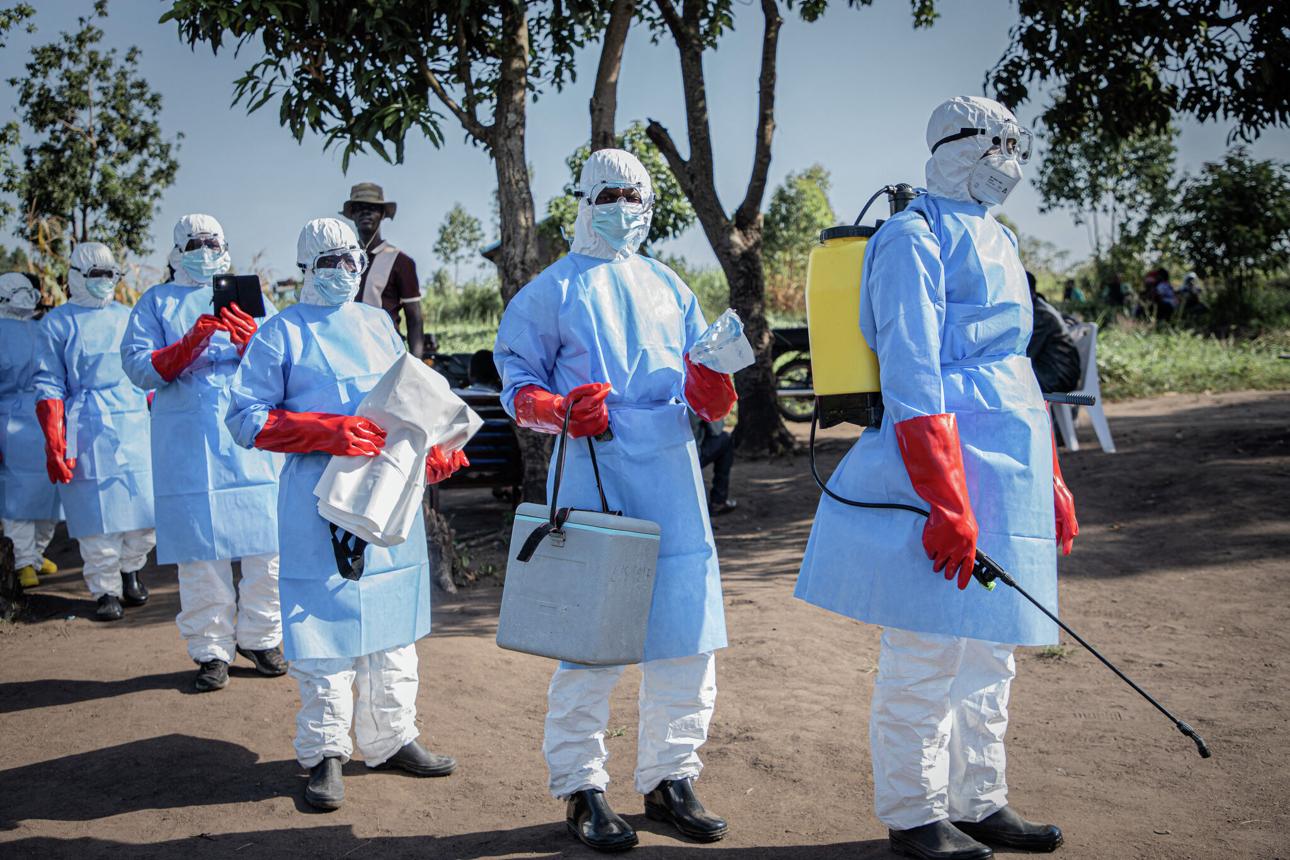
“France has announced additional support for efforts to contain Ebola in the Democratic Republic of Congo, warning that the disease could quickly resurge if vigilance weakens. The development comes as the DRC continues battling one of its most serious Ebola outbreaks, with insecurity, community mistrust and limited health-system capacity complicating efforts to end transmission.”
Ebola threat remains a major African health concern as France increases support for Congo response
The Ebola outbreak in the Democratic Republic of Congo remains one of Africa’s most serious infectious-disease emergencies, despite growing indications that transmission may have passed its peak in some areas. On 4 October 2026, SABC News reported that France would increase its support for efforts to eradicate Ebola in eastern Congo, with French Foreign Minister Jean-Noel Barrot warning that the virus could return rapidly if vigilance and response measures are allowed to weaken.
The announcement highlights an important reality about infectious diseases: a decline in cases does not necessarily mean that an outbreak has ended. Ebola is particularly dangerous because transmission can continue in communities when patients are identified late, when people are reluctant to seek medical care or when health workers cannot safely reach affected populations.
France has already allocated €13.4 million to Ebola-related efforts between January and July 2026. The additional support is expected to cover humanitarian assistance, medical research and other response activities. French authorities are also expected to discuss Ebola at a humanitarian conference scheduled for Paris on 6 October.
A dangerous outbreak in eastern Congo
The current Ebola outbreak began in the DRC in May and has spread through several provinces in the eastern part of the country. SABC News reported that the outbreak has affected seven provinces and emerged against a background of conflict and mass displacement. These conditions make the work of healthcare professionals significantly more difficult.
The outbreak is caused by the Bundibugyo virus, a less common species of Ebola for which there was no approved vaccine at the time of the latest South African reporting. Scientists in the United Kingdom and Canada have been conducting clinical trials involving vaccines targeting the strain, with the possibility of availability later in 2026.
The significance of the Bundibugyo strain is considerable. Ebola outbreaks require rapid identification, isolation, treatment, contact tracing and community cooperation. When these measures are delayed, the virus can move silently between households and communities before health authorities understand the extent of transmission.
The World Health Organization has continued to warn that the outbreak is not yet fully under control. Although officials have reported improvements in some locations, many infections and deaths have occurred within communities rather than healthcare facilities, suggesting that people are still reaching medical services too late.
The peak may have passed, but the emergency is not over
DRC Health Minister Roger Kamba recently said the outbreak appeared to have reached its peak after reductions in cases and deaths in some of the worst-affected areas. He nevertheless called for stronger measures to end transmission completely.
This distinction is crucial for public-health planning.
An epidemic can show a temporary decline without being eliminated. Transmission can return when surveillance is reduced, when infected people travel to new areas or when communities stop following prevention measures. For that reason, health authorities generally continue monitoring affected populations even after reported infections begin to fall.
The current crisis also demonstrates how disease outbreaks are rarely caused or sustained by medical factors alone. Conflict, displacement, poverty, misinformation, shortages of healthcare workers and distrust of authorities can all influence how quickly a virus spreads.
In eastern Congo, insecurity has made it harder for healthcare workers to reach communities. The region has also experienced prolonged conflict, forcing large numbers of people from their homes and disrupting normal access to healthcare.
Community trust is central to controlling Ebola
One of the biggest challenges in controlling Ebola is ensuring that people trust health workers and public-health authorities.
Ebola can generate fear because it is associated with severe illness and death. When communities do not receive clear information, rumours can spread rapidly. Some people may then avoid treatment centres, hide sick relatives or resist contact-tracing teams.
The current DRC outbreak has demonstrated the consequences of such mistrust. SABC News reported that insecurity and community mistrust have complicated the response. WHO has also stressed that continued interventions are necessary despite signs that transmission has slowed in some areas.
For health authorities, therefore, fighting Ebola involves much more than establishing treatment centres. It requires communication with community leaders, religious organisations, local authorities, families and other trusted figures.
People need to understand the symptoms of Ebola, how it spreads, why early medical care is important and why health workers sometimes have to follow strict infection-prevention procedures.
Healthcare workers remain on the frontline
Health workers are among the most important assets during an Ebola outbreak, but they are also exposed to significant risks.
WHO previously reported that healthcare workers caring for Ebola patients in the DRC had themselves contracted the Bundibugyo virus, although some recovered after receiving treatment. The organisation has stressed that early diagnosis and access to appropriate care can improve outcomes.
The current crisis has also placed enormous pressure on health systems already dealing with other diseases.
The DRC health minister noted that the country is simultaneously confronting diseases including cholera, measles and mpox. This means health authorities are not dealing with a single emergency in isolation. Instead, hospitals, laboratories, healthcare workers and public-health officials may have to manage several outbreaks at the same time.
That situation provides an important lesson for African countries, including South Africa: strong everyday health systems are an essential part of epidemic preparedness.
Why the Ebola situation matters to South Africa
Although the outbreak is taking place in the DRC rather than South Africa, infectious diseases do not respect national borders.
South Africa has extensive connections with other African countries through travel, trade, migration, education and business. This makes regional disease surveillance important even when there are no confirmed cases inside the country.
South Africa’s National Department of Health maintains an outbreak-monitoring system covering diseases such as cholera, Covid-19, foodborne disease, influenza, listeriosis, malaria, measles, mpox, rabies and typhoid.
The NICD also continues to monitor communicable diseases. Its latest reporting includes surveillance information on diseases such as diphtheria, measles and rubella.
The country’s experience with infectious-disease emergencies, including Covid-19, mpox and other outbreaks, has demonstrated the importance of early warning systems, laboratory capacity, contact tracing and public communication.
South Africa is also monitoring other disease threats
The Ebola story comes at a time when South Africa continues to monitor its own infectious-disease challenges.
For example, the Department of Health reported in September that laboratory-confirmed mpox cases had reached 22, with cases concentrated mainly in the Western Cape but also recorded in Gauteng and KwaZulu-Natal. The department said it was working with the NICD, WHO and other partners on contact tracing and enhanced surveillance.
That demonstrates why continued surveillance matters. A disease does not necessarily need to produce thousands of cases before it becomes a public-health concern. Early detection can allow authorities to intervene before transmission becomes widespread.
The wider lesson from Congo
The Ebola crisis offers a broader warning about the importance of maintaining preparedness even when disease numbers begin to fall.
France’s decision to increase support reflects concern that progress could be reversed. French officials have emphasised that Ebola can return quickly if surveillance and response capacity are weakened.
For the DRC, the immediate priorities remain identifying infections quickly, providing appropriate treatment, protecting health workers, tracing contacts and maintaining communication with communities.
For neighbouring and other African countries, the priority is preparedness.
That means strengthening laboratories, training healthcare workers, maintaining infection-prevention systems, ensuring reliable disease surveillance and developing clear public-health communication strategies.
It also means investing in health systems before an emergency occurs rather than waiting until an outbreak is already expanding.
A regional health warning
The Ebola situation in the DRC is therefore more than an isolated outbreak. It is a test of how effectively governments, international organisations, scientists and communities can work together when a dangerous infectious disease emerges in a complex environment.
The encouraging news is that health authorities are reporting declining transmission in some areas, while Congo’s health minister believes the outbreak has passed its peak. However, WHO’s continued warning that the epidemic remains uncontrolled shows why complacency would be dangerous.
France’s renewed financial commitment provides additional resources at a critical stage. But money alone will not end the outbreak. Success will depend on whether resources reach frontline workers, whether communities trust health authorities, whether surveillance remains strong and whether patients can access care quickly.
For South Africa and the wider African region, the message is equally clear: disease preparedness must continue even when an outbreak appears to be declining.
Ebola remains a serious public-health threat, but effective surveillance, early diagnosis, treatment, community engagement and international cooperation can prevent outbreaks from becoming even more devastating.
The current situation in Congo demonstrates both the danger of infectious diseases and the importance of acting before a temporary improvement is mistaken for the end of an epidemic.



