




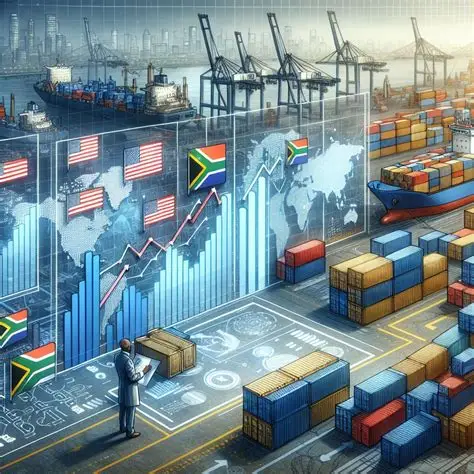
“South Africa’s Minister of Mineral and Petroleum Resources, Gwede Mantashe, announced new fuel price adjustments effective 5 August 2026, citing global crude oil volatility, supply shortages, and rand depreciation. The changes will impact petrol, diesel, and paraffin prices, reshaping trade costs and influencing inflationary trends across the economy.”
Fuel prices are a cornerstone of South Africa’s trade ecosystem, influencing logistics, manufacturing, and consumer markets. The latest adjustment announced by Minister Gwede Mantashe reflects the delicate balance between global energy markets and domestic trade realities.
Global Context
- Crude Oil Prices: Brent crude fell from $86.53 to $82.37 per barrel, but geopolitical tensions between the US and Iran previously pushed prices near $100.
- Supply Chain Disruptions: Russia’s restrictions on diesel exports and Middle East refinery underperformance created shortages, driving up diesel and paraffin costs.
- Currency Pressures: The rand’s depreciation against the dollar amplified import costs, particularly for petroleum products.
Domestic Trade Impact
- Transport Sector: Higher diesel costs will raise freight and logistics expenses, directly affecting trade competitiveness.
- Agriculture: Farmers reliant on diesel for machinery face increased production costs, likely pushing food prices higher.
- Manufacturing: Industries dependent on petroleum inputs will see squeezed margins, potentially reducing exports.
- Consumers: Rising paraffin prices will disproportionately affect low-income households, adding social pressure.
Policy Measures
- Slate Levy Adjustment: The reduction in the levy provides partial relief, but the cumulative slate deficit of R7.418 billion underscores systemic challenges.
- LPG Pricing: New import pricing structures aim to stabilize supply, particularly through the Port of Saldanha Bay.
Broader Trade Outlook
- Inflationary Pressures: Rising energy costs feed into consumer inflation, affecting purchasing power and trade balances.
- Export Competitiveness: Higher logistics costs may erode South Africa’s competitiveness in global markets.
- Strategic Shifts: The government may need to accelerate renewable energy adoption to reduce reliance on volatile imports.
Conclusion
South Africa’s trade sector stands at a crossroads. While global crude oil easing offers some relief, structural supply chain challenges and currency volatility continue to weigh heavily. The August 2026 fuel price adjustment is not just a domestic policy move—it is a reflection of South Africa’s vulnerability to global trade shocks.



