




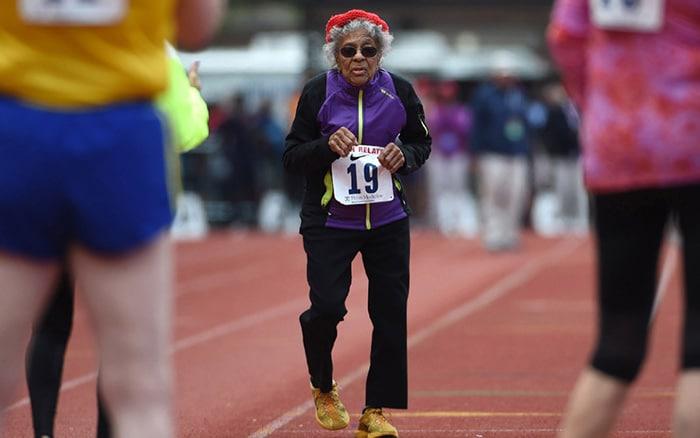
“Seventy-two-year-old Nomalanga Magona from Gugulethu, Cape Town, is preparing to represent the Western Cape at the National Golden Games after winning the 100-metre race at a local senior citizens’ sports tournament. Her achievement highlights how community exercise, walking, recreation and social participation can encourage older South Africans to remain active, manage chronic health conditions and maintain independence as they age.”
Active Ageing in South Africa: Gugulethu Runner’s Achievement Puts Community Fitness in the Spotlight
Introduction: Fitness has no age limit
A 72-year-old athlete from Gugulethu, Cape Town, is demonstrating that physical activity can remain an important part of life well into older age. Nomalanga Magona, who won the 100-metre race at a local senior citizens’ sports tournament, is preparing to represent the Western Cape at the National Golden Games in Bloemfontein from 29 October to 1 November 2026.
Her achievement, reported by GroundUp and published by EWN on 21 October, offers an encouraging example of how accessible community fitness initiatives can help older people stay active, develop friendships and participate in public life. It also brings attention to the importance of making exercise opportunities available to South Africans across different age groups and income levels.
Magona has been an active member of the Sunflower Senior Club since 2024, following her retirement from working as a clerk at the Department of Home Affairs. Her participation in the club has provided opportunities for exercise, recreation and social interaction.
At the recent tournament at the NY49 Gugulethu stadium, she competed in the 100-metre race for the second consecutive year and secured victory. However, the upcoming National Golden Games will be her first opportunity to compete at the national level.
The annual event brings together participants aged 60 and older from all nine provinces to take part in sporting activities, traditional indigenous games and recreational competitions.
For Magona, the opportunity is about more than running. She has expressed excitement about meeting older participants from other provinces and experiencing a national sporting gathering.
Her progress illustrates how local competitions can create pathways for wider participation. A community event can provide the initial encouragement that motivates an older person to train, improve physical confidence and pursue further sporting opportunities.
It also challenges the assumption that retirement should mean withdrawing from physical or competitive activities. Instead, retirement can provide an opportunity to develop new routines, strengthen existing interests and remain connected to the community.
Community exercise and the importance of healthy ageing
Fitness is often associated with young athletes, expensive gym memberships and demanding exercise programmes. However, the experience of older people like Magona demonstrates that staying active can involve simple, accessible activities.
Walking, gentle running, recreational games, dancing and appropriate strength exercises can help older adults maintain mobility and physical confidence. The most suitable activities depend on a person’s health, current fitness, balance, joint function and previous exercise experience.
Regular movement is particularly important as people age because maintaining muscle strength, coordination and balance can support everyday activities. These include climbing stairs, standing up from a chair, carrying groceries and walking safely around the neighbourhood.
Exercise can also provide opportunities for social connection. Group activities give participants a reason to leave their homes, meet friends and establish a regular weekly routine.
The Gugulethu tournament brought together hundreds of pensioners from senior citizens’ clubs across Cape Town, including communities such as Khayelitsha, Masiphumelele, Athlone, Heideveld, Langa and Gugulethu.
This broad participation shows how local sporting events can bring different communities together around a shared interest in physical activity. Rather than concentrating exclusively on competitive performance, such gatherings can make fitness welcoming to people with different abilities and levels of experience.
For South Africa, where access to recreational facilities and organised exercise can vary substantially between communities, locally organised programmes provide a valuable way to encourage participation without requiring everyone to join a commercial gym.
Managing chronic conditions through appropriate physical activity
Magona has diabetes and has explained that activities such as the Golden Games encourage older people to remain active and can help them manage chronic illnesses.
Her experience draws attention to the relationship between physical activity and long-term health. For many people living with diabetes, regular exercise can help improve the body’s response to insulin, support blood glucose management and contribute to cardiovascular health.
Nevertheless, exercise is not a substitute for prescribed medication, medical appointments or an appropriate nutrition plan. People with diabetes should consider their treatment, blood glucose patterns and individual health needs when deciding how and when to exercise.
Older adults who have been inactive for a long time should also avoid suddenly undertaking strenuous workouts without assessing their readiness. A healthcare professional can help identify suitable activities, especially for people with complications affecting their heart, circulation, nerves, eyesight or balance.
For some participants, a regular walking group may be a more appropriate starting point than competitive running. Others may enjoy structured strength training, chair-based exercises or low-impact recreational sports.
The important principle is that fitness should be adapted to the individual rather than treated as a single standard that everyone must meet.
Magona’s story provides an opportunity to discuss these principles in a positive way. Her sporting achievement demonstrates participation and determination, while her experience with diabetes reminds readers that exercise programmes for older people should combine encouragement with appropriate health guidance.
The role of senior citizens’ clubs
The Sunflower Senior Club offers a broader example of how community organisations can support active ageing. According to the report, members participate in activities including exercise, games, sewing, knitting and crocheting.
Although these activities differ physically, together they create a setting in which older people can pursue interests, spend time with others and establish meaningful routines.
Social participation matters because a fitness programme is more likely to become sustainable when participants feel welcomed and supported. People who exercise with friends may find it easier to attend regularly than those who have to motivate themselves alone.
Senior clubs can also help make physical activity more accessible. Organised group sessions offer opportunities to begin at a comfortable pace, learn from peers and take part without the pressure associated with professional sport.
Walking groups are one practical example. Participants can choose a manageable route, walk at a suitable pace and gradually increase their activity as their confidence improves.
Other clubs might organise stretching sessions, balance exercises, recreational dancing or adapted sports. Where qualified instructors or healthcare professionals are available, they can help ensure activities are suitable for participants’ needs.
The lesson is not that every older adult should become a competitive runner. Rather, communities can provide varied opportunities for people to remain involved in physical activity throughout later life.
Funding challenges threaten community sport
Despite the benefits of local participation, organising community sporting events requires resources. Miranda Mfeketho, vice chairperson of the Gugulethu Sport Council, told GroundUp that arranging the tournament was challenging because of funding constraints.
The council relies on outreach to organisations and businesses for support. It began hosting the annual event in 2025, making the tournament a relatively recent initiative.
These challenges highlight a practical issue for community fitness in South Africa: enthusiasm alone cannot cover every organisational cost.
Depending on the event, organisers may need access to suitable venues, sporting equipment, transport, water, first-aid services, publicity and volunteers. Some events may also require additional arrangements to accommodate people with disabilities or mobility limitations.
Limited funding can make it difficult to maintain regular programmes, expand participation or provide activities throughout the year. This is especially important when a once-off tournament is intended to inspire longer-term changes in physical activity.
Local businesses, community organisations, sports bodies and public institutions could help through equipment donations, venue access, volunteer support or modest sponsorships.
However, support should extend beyond individual events. Consistent funding for community programmes would help clubs maintain regular schedules and reach older people who might otherwise struggle to access exercise opportunities.
The Gugulethu Sport Council’s experience therefore raises an important question for local development: how can successful community initiatives receive enough support to continue serving residents after the excitement of an annual tournament has passed?
Why inclusive fitness programmes matter
The National Golden Games provides a platform for older South Africans to participate in sport alongside their peers from other provinces. Its emphasis on different sporting codes, traditional games and recreational activities allows participation to extend beyond conventional athletics.
This matters because people have different physical abilities, interests and health circumstances. A programme focused exclusively on speed or endurance may discourage those who cannot comfortably participate in demanding activities.
An inclusive approach offers alternatives and recognises achievement in multiple forms. Walking, balance-based games, light ball activities and adapted competitions can give people more ways to participate.
Community organisers can also improve accessibility by selecting appropriate venues, providing seating and shade, communicating clearly about activities and making reasonable accommodations for participants with disabilities.
These measures can help older adults feel that sporting spaces belong to them, regardless of whether they are experienced athletes or beginners.
The benefits may extend to younger generations as well. Seeing older residents participate actively can challenge stereotypes about ageing and encourage families to support physical activity across generations.
Magona’s upcoming appearance at the National Golden Games provides a visible example of what becomes possible when older adults receive opportunities to participate, practise and compete.
Practical ways older South Africans can stay active
The story also offers a useful reminder that fitness does not always require costly equipment or complicated programmes.
Older adults who want to become more active can begin with small, manageable changes, provided the activities are appropriate for their health.
Walking regularly can be a practical starting point. A short walk on a safe route may help establish a routine before distance or duration gradually increases.
Building strength and balance is also important. Suitable exercises, adapted where necessary, can help maintain the ability to perform everyday tasks and reduce the risk of falls.
Joining a community group may make exercise more enjoyable. Walking clubs, senior citizens’ organisations and recreational activities can provide encouragement and opportunities to socialise.
Choosing enjoyable activities can improve consistency. Dancing, gardening, swimming where accessible, recreational games and low-impact exercise may be more appealing than a rigid workout plan.
Seeking medical advice when needed is particularly important for people managing chronic conditions or experiencing symptoms during activity. Chest pain, faintness or unusual shortness of breath should not be ignored.
The objective is not to copy another person’s training programme. It is to find safe and sustainable ways to move more regularly, suited to individual circumstances.
Looking ahead to the National Golden Games
Magona and 15 other provincial representatives are preparing to travel to Bloemfontein for the National Golden Games, scheduled for 29 October to 1 November 2026.
For Magona, the competition represents a new stage in her sporting journey. For the communities that support participants, it offers an opportunity to celebrate older people’s achievements and highlight the importance of continued participation in physical activity.
The tournament in Gugulethu also coincided with Older Persons Month, placing the local event within a wider conversation about ageing, inclusion and community support.
While one athlete’s achievement cannot establish the effectiveness of an entire national fitness strategy, her story provides a concrete example of how community activities can create opportunities for participation.
The more lasting measure of success will be whether events like this encourage people to remain active beyond competition day and whether community organisations receive the support needed to sustain their work.
Conclusion: Making movement part of everyday life
Nomalanga Magona’s journey from a local senior citizens’ club to the National Golden Games highlights the value of accessible sport, social participation and continued physical activity in later life.
Her success is a reminder that fitness is not limited to young people, professional athletes or those who can afford expensive facilities. With suitable activities and supportive communities, older adults can continue pursuing physical goals and participating in public life.
At the same time, the funding difficulties described by the Gugulethu Sport Council show that community enthusiasm needs practical support to flourish.
For South Africa, the opportunity is to build on local initiatives by helping senior clubs organise regular activities, making sporting facilities accessible and encouraging safe, age-appropriate exercise.
As Magona prepares for the national competition, her story places an important message in the spotlight: healthy ageing is not simply about adding years to life, but about preserving opportunities for movement, connection, independence and enjoyment throughout those years.



