




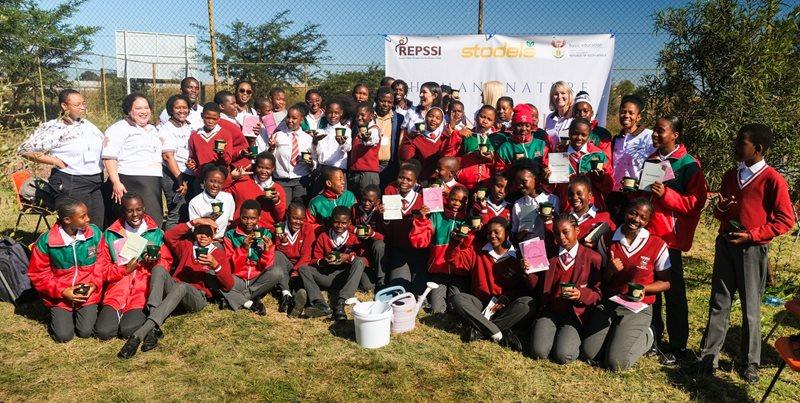
“Childhood exposure to violence, abuse and persistent fear can affect emotional regulation, confidence, relationships and behaviour, making early mental health support an important part of violence prevention. The Plant Play programme in Diepsloot, Gauteng, offers children a structured opportunity to explore emotions and build coping skills through caring for plants, with preliminary findings suggesting improvements in emotional regulation and related social skills.”
South Africa’s Childhood Trauma Challenge: Why Mental Health Support Could Help Prevent Violence
Introduction
Childhood trauma is emerging as an important consideration in South Africa’s efforts to improve mental health, protect vulnerable children and prevent violence. A recent opinion article published by Health-e News on 19 October 2026 highlights how exposure to abuse, domestic violence, crime and prolonged fear can influence children’s emotional development and their ability to manage difficult experiences.
The report examines Plant Play, a programme operating in Diepsloot, Gauteng, that uses environmental education and plant care to help children explore emotions, develop confidence and practise constructive responses to challenges. The initiative illustrates how community-based interventions may complement professional mental health services, particularly in areas where families face multiple social and economic pressures.
The findings are relevant to South Africa’s wider public health debate because mental health difficulties do not develop in isolation. Family circumstances, neighbourhood safety, poverty, relationships and access to supportive adults can all influence a child’s psychological well-being.
Understanding the relationship between childhood trauma and mental health
Childhood is a critical period for developing emotional regulation, social relationships, decision-making and coping skills. When children experience repeated violence or live in environments characterised by uncertainty and fear, these developmental processes can become more difficult.
Children exposed to threatening situations may become anxious, withdrawn, aggressive or unusually alert to possible danger. Some may struggle to sleep, concentrate at school or trust other people. Others may have difficulty explaining their feelings, particularly when they have never experienced a safe environment in which to discuss distress.
These reactions are not identical for every child. A traumatic experience does not automatically mean that a child will develop a mental health condition or become violent. Nevertheless, repeated exposure to adversity can increase vulnerability, especially when reliable support is unavailable.
Health-e News reports that children participating in Plant Play have described difficulties associated with fear and challenging home environments. Such experiences underline the importance of recognising emotional distress before it develops into more persistent difficulties.
For South Africa, this requires a response that goes beyond treating mental illness after symptoms become severe. Prevention, early identification and accessible psychosocial support should form part of a comprehensive approach to children’s health.
Violence at home and its consequences for children
Domestic and family violence can affect children even when they are not the direct targets of abuse. Witnessing threats, physical assaults, intimidation or repeated conflict may undermine their sense of security.
A child who fears what might happen at home may remain constantly alert, finding it difficult to relax or concentrate on everyday activities. School performance, friendships and relationships with caregivers can suffer as a result.
The Health-e News report cites research indicating substantial exposure to family violence among South African children. Such evidence points to the importance of addressing the circumstances surrounding children’s distress rather than treating their behaviour as an isolated problem.
For example, a child who frequently becomes angry may be struggling with fear, grief or a lack of safety. Punishment alone may fail to address these underlying experiences. Supportive assessment can help families, teachers and health professionals understand what the child needs.
This does not mean that harmful behaviour should be ignored. Instead, accountability and protection should be combined with age-appropriate support that helps children understand emotions, establish boundaries and develop safer ways of responding to conflict.
Plant Play offers a community-based approach
Plant Play, a structured psychosocial programme developed by Human Nature Africa, uses environmental education and caring for a non-food flowering plant to create opportunities for emotional learning.
According to the original report, the programme had reached 542 children aged between 10 and 15 in Diepsloot over two years. The area was identified among locations requiring attention because of reported gender-based violence and related crime.
The approach gives children a practical activity around which they can explore responsibility, patience, confidence and relationships. Participants care for plants while taking part in group conversations, including sessions in which they discuss positive experiences and personal achievements.
This structure may help children communicate feelings that are otherwise difficult to express. Talking about a plant, for example, can provide a less intimidating starting point for discussing setbacks, frustration, grief or personal growth.
The activity is not a substitute for psychotherapy or psychiatric treatment. Rather, it represents a potential preventive and supportive intervention that can help identify children who may require additional assistance.
Community-based programmes are particularly valuable when they establish trusted relationships and clear referral pathways to qualified professionals. Children experiencing severe distress, persistent symptoms or immediate safety concerns need appropriate assessment and protection.
Early findings suggest improvements in emotional regulation
The Health-e News article describes preliminary findings from a 2025 Plant Play pilot involving 256 participants. The programme reported improvements in emotional regulation and coping skills, alongside gains in empathy, patience, responsibility and constructive responses to setbacks.
One reported measure was particularly notable: the proportion of children who said they felt calmer and better able to regulate their emotions increased from 35% to 73% over 14 weeks.
These findings provide a promising indication that structured psychosocial activities may help children develop skills that support emotional well-being.
However, the results should be interpreted carefully. Preliminary programme findings do not, by themselves, establish that the intervention prevents violence or produces lasting improvements for every participant. Stronger conclusions require transparent research methods, suitable comparison groups where feasible, and follow-up assessments over time.
Researchers should also consider whether improvements continue after the programme ends and whether outcomes differ according to age, gender, previous trauma or family circumstances.
Despite these limitations, the findings support continued investigation into accessible interventions that strengthen emotional skills and complement established mental health services.
Reducing stigma around children’s mental health
Stigma remains a significant barrier to recognising and addressing psychological distress. Children and caregivers may worry that discussing trauma, anxiety or depression will lead to judgement, discrimination or labelling.
Some children may hide their feelings because they fear being considered weak or difficult. Parents may hesitate to seek assistance because they worry about how professionals, schools or their communities will perceive their families.
This silence can delay support and allow difficulties to persist.
Schools, community organisations and healthcare providers can help by treating emotional well-being as an ordinary part of child development. Children should be encouraged to express feelings without being mocked or automatically labelled as problematic.
Adults also need practical guidance on responding to distress. Listening calmly, taking disclosures seriously, avoiding blame and explaining available support can make it easier for children to seek help.
Confidentiality and safeguarding are essential. When a child discloses abuse or faces an immediate threat, responsible adults must follow appropriate child-protection procedures rather than relying on informal conversations alone.
The role of schools, families and healthcare services
Addressing childhood trauma requires cooperation between families, educators, social workers, community organisations and healthcare professionals.
Schools are often well placed to notice changes in behaviour, attendance, concentration or social relationships. Teachers can provide supportive environments and connect children with appropriate services, although they should not be expected to diagnose or treat mental health conditions without the required qualifications.
Parents and caregivers can contribute by establishing predictable routines, communicating calmly and helping children identify their emotions. Where family violence is present, however, advice about improving communication cannot replace measures to secure safety and address abuse.
Primary healthcare facilities and mental health professionals can assess children whose difficulties require specialised care. Social workers can help families navigate protection services, practical assistance and other community resources.
South Africa also needs sufficient trained personnel, accessible services and reliable referral systems. Awareness campaigns alone will have limited impact if families cannot obtain appointments, afford transport or access appropriate care.
Programmes such as Plant Play may help bridge part of this gap, provided their roles and limitations are clearly defined and their participants can access further support when necessary.
Addressing poverty and unsafe environments
Mental health interventions cannot fully resolve the social conditions that expose children to trauma. Poverty, overcrowded housing, unemployment, unsafe neighbourhoods and limited access to services can increase pressure on families and restrict opportunities for recovery.
Children who repeatedly witness violence may struggle to feel safe even when they receive emotional support elsewhere. Sustainable progress therefore requires both individual assistance and action to reduce exposure to harmful environments.
Community safety initiatives, domestic violence prevention, social protection, school support and accessible healthcare should reinforce one another.
Government departments, civil society organisations and local communities can also work together to identify service gaps and ensure that support reaches children who are often overlooked.
Investment in prevention should be accompanied by monitoring that demonstrates whether programmes are reaching vulnerable children and improving outcomes over time.
Recommendations for strengthening mental health support
Several priorities emerge from the report.
First, South Africa should strengthen early identification of childhood distress through schools, primary healthcare and community organisations, with appropriate safeguarding and referral procedures.
Second, community-based psychosocial programmes should be evaluated systematically. Transparent reporting of participant numbers, methods, outcomes and limitations can help decision-makers distinguish promising interventions from approaches requiring further evidence.
Third, children who experience violence must have access to protection, counselling and specialised treatment when needed. Support should be responsive to their individual circumstances rather than based on assumptions about how trauma affects everyone.
Fourth, mental health education should be integrated into broader efforts to reduce stigma. Children and caregivers need understandable information about emotional distress and where to seek help.
Finally, prevention strategies must address the conditions that contribute to insecurity, including domestic violence and barriers to essential services.
Conclusion
South Africa’s response to childhood trauma must recognise that children’s emotional well-being is shaped by their relationships, surroundings and opportunities to access support. Exposure to violence can increase the risk of psychological difficulties, but it does not determine a child’s future.
The Plant Play experience in Diepsloot illustrates one possible way of creating supportive spaces in which children can practise emotional regulation, develop confidence and build connections with others. Its preliminary findings are encouraging, although further evaluation is needed to determine the durability and wider applicability of the reported benefits.
The wider lesson is that mental health support should begin before distress becomes overwhelming. Families need safer environments, schools need appropriate referral pathways, and communities need accessible services that combine prevention with professional care.
By investing in children, strengthening protection systems and evaluating promising interventions responsibly, South Africa can improve its approach to mental health while supporting healthier relationships and more resilient communities.
Source: Health-e News, 19 October 2026. Original report: https://health-e.org.za/2026/10/19/op-ed-we-are-not-born-bad-we-are-shaped/
Editorial note: This is an original expanded news-style article based on the cited report, not a claim that the story was published on 21 October 2026. The programme findings and participant figures are attributed to the original reporting.



