




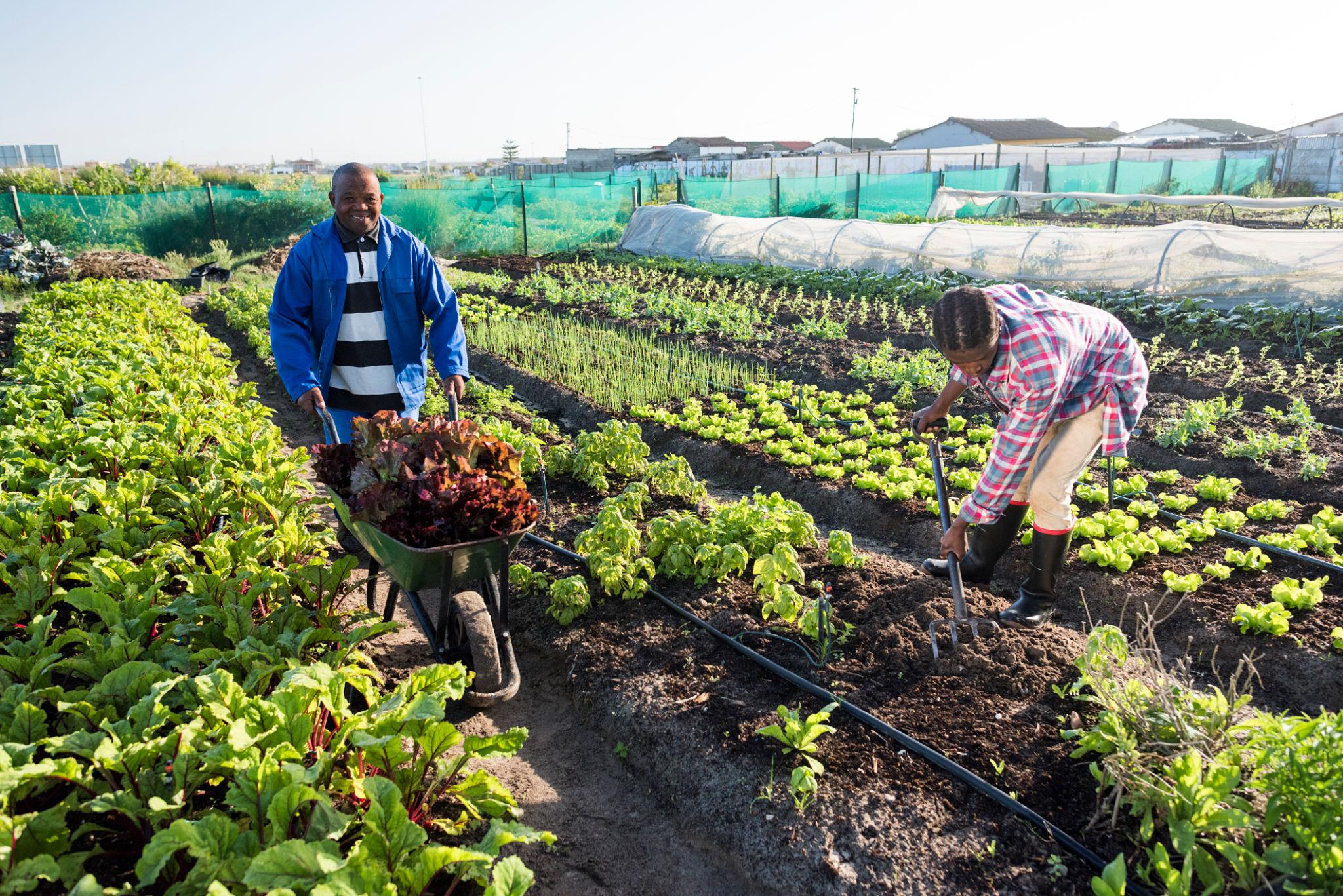
“South Africa’s nutrition crisis highlights the connection between food insecurity, the affordability of healthy meals and the growing burden of diet-related diseases, particularly among poorer households. Community-based agricultural initiatives, including those associated with Rhiza Babuyile, offer a potential way forward by combining access to nutritious food with skills development, local enterprise and economic empowerment.”
How Agricultural Innovation Could Help Tackle South Africa’s Nutrition Crisis
Food security and healthy diets remain major public-health challenges
JOHANNESBURG, South Africa — 17 October 2026
South Africa’s nutrition crisis is highlighting the urgent need for solutions that address not only hunger but also the affordability, availability and nutritional quality of food. Although food is available in many communities, millions of people face financial and practical barriers that prevent them from consistently accessing balanced meals. Agricultural innovation, community food gardens and nutrition-focused enterprise development are emerging as potential ways to strengthen local food systems while supporting healthier communities.
A report published by Independent Online on 17 October 2026 highlights how organisations such as Rhiza Babuyile are approaching these challenges through agriculture, skills development and enterprise initiatives. The underlying argument is that improving nutrition requires more than advising individuals to eat healthier foods. Communities also need reliable access to affordable, fresh and nutritious ingredients.
For households struggling with food costs, the difference between an adequate diet and a nutritionally incomplete one can depend on income, transport, food availability and the facilities needed to store and prepare meals. Addressing these interconnected factors is essential if South Africa is to make sustainable progress against malnutrition.
Understanding South Africa’s double burden of malnutrition
South Africa faces several nutritional challenges simultaneously. These include hunger, inadequate dietary diversity, micronutrient deficiencies, overweight, obesity and diet-related non-communicable diseases.
The coexistence of these problems means that having enough food to satisfy hunger does not necessarily mean that someone receives the nutrients required for good health. Meals dominated by inexpensive staples may provide energy while supplying insufficient protein, vitamins, minerals and dietary fibre.
An earlier report published by IOL on 14 October 2026 described how food poverty and diet-related disease affect South African households. It highlighted concerns about child food poverty, diabetes and the difficulty families face when trying to afford varied, nutritious meals. The report also noted that diabetes accounted for 6.1% of registered deaths in South Africa in 2024, according to Statistics South Africa mortality data. These figures illustrate the importance of addressing nutrition as both a social and a public-health priority.
Poor dietary quality can affect people across their lives. Children require adequate nutrition for physical growth, brain development and learning. Adults need balanced diets to maintain health, while older people may face additional nutritional risks associated with illness, reduced appetite or limited mobility.
Consequently, a comprehensive response must address undernutrition without overlooking obesity and other diet-related conditions.
Why affordability influences food choices
Household finances play a significant role in determining what people eat. When money is limited, families must prioritise meals that provide enough food for everyone, last across several servings and remain affordable throughout the month.
Fresh vegetables, fruit, eggs, dairy products, fish and lean meat may be difficult to purchase regularly when household budgets are stretched. Prices can also vary depending on location, transport costs, seasonal availability and access to local markets.
In contrast, some highly processed foods provide inexpensive calories and are widely available. However, diets that regularly rely on products high in added sugar, sodium or unhealthy fats may displace foods that provide essential nutrients.
This does not mean that every processed food is unhealthy or that households should be blamed for their choices. Rather, it demonstrates how economic circumstances and the surrounding food environment influence everyday decisions.
Effective nutrition policies must therefore make healthier choices practical and affordable. Advice about balanced eating is more useful when households can obtain the ingredients needed to follow it.
Community agriculture offers a practical response
Community-based agriculture can help improve access to fresh food by bringing some production closer to the people who need it. Depending on local conditions, community gardens, small-scale farms and cooperative growing projects can produce vegetables and other crops for household consumption, community programmes or local markets.
The approach associated with Rhiza Babuyile, highlighted in the 17 October report, connects agricultural activity with skills development and enterprise. This broader model recognises that nutrition and economic opportunity can reinforce one another.
For example, a community garden may supply vegetables for local meals while providing participants with practical experience in planting, irrigation, harvesting and crop management. If production exceeds immediate household needs, some of the surplus may be sold, potentially generating income.
However, successful projects require more than access to land. Participants need suitable water supplies, tools, seeds, training and dependable routes to market. They must also consider soil quality, seasonal weather, pest management and the costs of maintaining production.
Community agriculture should not be presented as a complete solution to poverty or national food insecurity. Its potential lies in complementing broader measures that improve incomes, strengthen food distribution and expand access to nutritious food.
Agricultural innovation can strengthen food availability
Innovation in agriculture includes practical improvements in how food is grown, harvested, stored and distributed. These measures can help farmers and community organisations use resources more efficiently and reduce losses.
Water-efficient irrigation, appropriate crop selection, improved soil management and climate-resilient farming methods may help maintain production under challenging conditions. Small-scale producers can also benefit from training, shared equipment and better connections with buyers.
The choice of crops matters. Vegetables and legumes can contribute valuable nutrients, while crops suited to local climates may reduce production risks. Combining different crops can also support dietary diversity, although the nutritional benefits ultimately depend on whether the resulting food reaches households and becomes part of their meals.
Storage and transport are equally important. Fresh produce can lose quality or become unsaleable when refrigeration, packaging and reliable transport are unavailable. Investments in local storage, collection points and distribution networks can help farmers retain more of the value of their harvests.
Agricultural innovation therefore needs to extend beyond production. A successful food system must connect growers, markets, retailers, community organisations and consumers.
Nutrition education must be accompanied by access
Nutrition education remains valuable because it helps people understand food labels, plan meals and recognise the role of different food groups. Nevertheless, education alone cannot overcome every barrier to healthy eating.
A family may understand the importance of eating vegetables and protein but still struggle to afford them. Another household may have access to affordable ingredients but lack suitable cooking facilities, refrigeration or sufficient time to prepare meals.
Community initiatives can help bridge some of these gaps by combining food production with practical nutrition guidance. Demonstrations could show how locally available ingredients can be incorporated into balanced meals, while cooking programmes could help households reduce waste and make the most of their food budgets.
Such interventions should respect cultural food traditions and the circumstances of individual communities. Healthy eating does not require every household to follow an expensive or identical menu. Instead, the objective is to improve dietary quality using accessible foods and realistic preparation methods.
Children and vulnerable households need particular attention
Children are among the groups most affected when nutritious food is unavailable. Inadequate diets can compromise growth, development, concentration and educational participation. Pregnant women, breastfeeding mothers, older people and individuals living with chronic illnesses may also have particular nutritional requirements.
School feeding programmes and early childhood development centres can provide important opportunities to improve children’s access to regular meals. Their impact depends on the quality, consistency and nutritional composition of the food supplied.
Community agricultural projects could potentially support these programmes by supplying locally grown produce, where costs, food safety standards and procurement requirements permit.
However, partnerships must be carefully organised. Schools and early childhood centres need dependable suppliers, safe food handling, appropriate storage and predictable delivery schedules. Community producers must also receive fair payment and realistic contracts.
The objective should be to create sustainable arrangements that benefit children without placing unreasonable financial risks on small-scale farmers.
Government, business and communities must work together
South Africa’s nutrition challenges require coordinated action across agriculture, health, education, social development and economic policy.
Government can support food security through effective social protection, agricultural extension services, infrastructure investment and policies that improve access to nutritious foods. Local authorities can contribute by facilitating suitable growing spaces, supporting community initiatives and improving market infrastructure.
Businesses can strengthen local food systems by purchasing from responsible producers, reducing avoidable food waste and supporting transparent supply chains. Civil society organisations can help communities develop practical skills and ensure that interventions respond to local needs.
Public-health measures also remain important. Nutrition labelling, food fortification, sodium reduction and policies addressing excessive sugar consumption can contribute to healthier food environments. These measures work best alongside initiatives that improve access to nutritious alternatives.
Evaluation is essential. Programmes should track not only how much food they produce but also whether households consume it, whether diets improve, whether children benefit and whether participating farmers achieve sustainable incomes.
Without such evidence, it is difficult to determine which approaches provide lasting benefits and which require adjustment.
Measuring progress beyond food production
The success of agricultural nutrition initiatives should not be measured solely by the number of gardens established or the volume of vegetables harvested.
More meaningful indicators include the affordability and diversity of household diets, the regularity of food access, participation in community programmes and the nutritional quality of meals served to children.
Projects should also assess their financial sustainability. Training and initial funding can establish a programme, but long-term success requires maintenance budgets, reliable water supplies, continued participation and viable routes to market.
Community involvement is particularly important. Residents who help design and manage projects are more likely to identify local priorities and practical barriers. Their participation can also strengthen accountability and ensure that benefits reach intended households.
Research and monitoring can help policymakers identify successful models and adapt them for other communities. Nevertheless, results from individual projects should not automatically be assumed to apply everywhere. Local food prices, climate conditions, infrastructure and household needs differ considerably.
Conclusion: Building a healthier and more resilient food system
South Africa’s nutrition crisis cannot be solved by agricultural production alone, nor can it be resolved simply by telling people to change their diets. The challenge involves food affordability, economic inequality, access to markets, public-health policy and the everyday realities facing households.
The agricultural initiatives highlighted by Independent Online on 17 October 2026 offer a useful perspective: community-based food production can become more effective when it is connected to skills development, enterprise opportunities and practical nutrition objectives.
For these efforts to deliver lasting results, they need reliable resources, supportive partnerships and measurable goals. Communities require more than seeds and temporary funding; they need infrastructure, training, markets and sustained institutional support.
Ultimately, agricultural innovation should be judged by whether it helps people obtain and consume better food, supports sustainable livelihoods and strengthens resilience against economic and environmental pressures.
A healthier South Africa will depend on making nutritious food not merely available in principle, but affordable, accessible and practical for households across the country. By linking agriculture with public health and economic opportunity, the country can pursue a food system that supports both individual wellbeing and stronger communities.
Source note: This expanded article is based on the IOL report published on 17 October 2026 and related South African nutrition reporting. Additional explanations provide context and analysis; they should not be interpreted as independently verified outcomes of any specific agricultural programme.



