




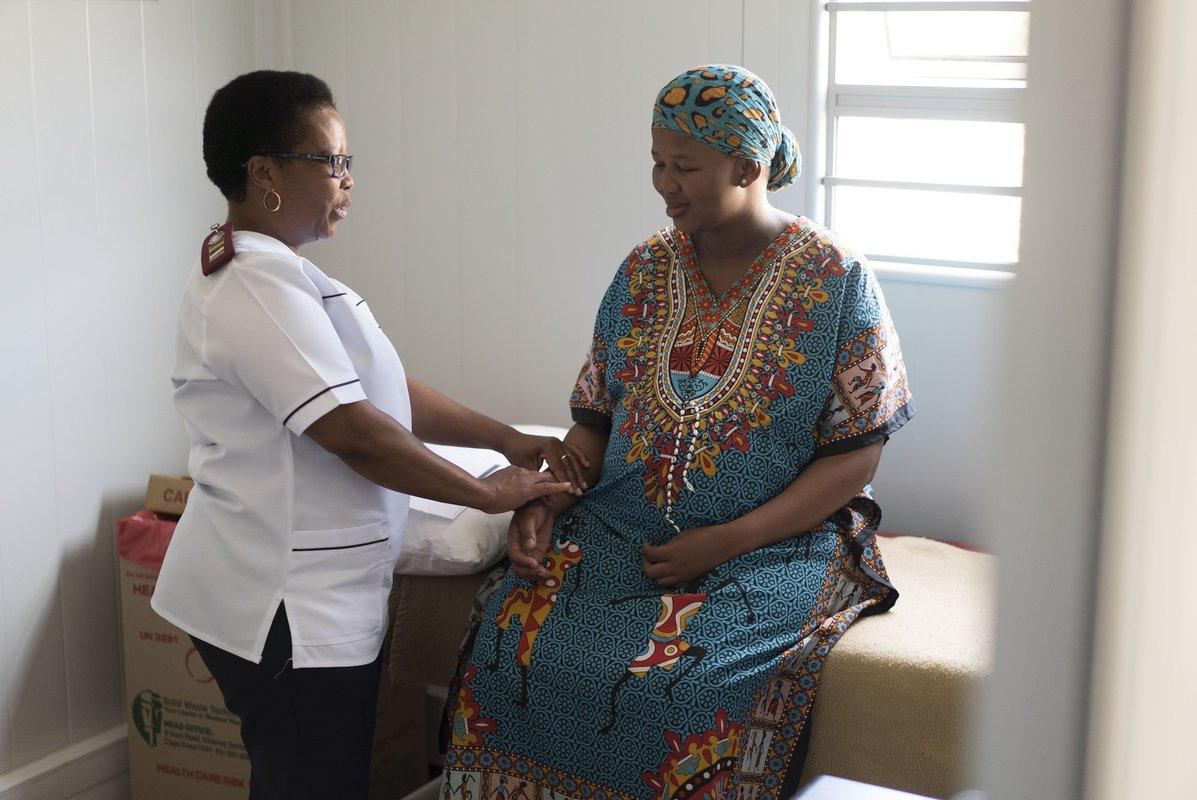
“Pregnant women attending Ramatlabama Health Centre outside Mahikeng in South Africa’s North West province have reportedly faced months without essential antenatal supplements, forcing some to consider buying products privately despite financial hardship. The North West Department of Health has acknowledged intermittent medicine supply constraints, raising concerns about equitable access to preventive maternal healthcare and the reliability of pharmaceutical supply systems.”
Introduction: Essential medicines become difficult to access
MAHIKENG, South Africa — Concerns about access to essential medicines have emerged after pregnant women attending Ramatlabama Health Centre outside Mahikeng reported difficulties obtaining antenatal supplements for several months. The shortage highlights the importance of reliable medicine distribution at primary healthcare facilities, where many women depend on public services for routine pregnancy monitoring, preventive treatment and professional medical advice.
According to a report published by Health-e News on 16 October 2026, women visiting the clinic have been advised to purchase certain supplements from private pharmacies when supplies are unavailable. However, this alternative presents a significant financial challenge for unemployed women and families already struggling to meet basic household expenses.
The situation raises broader questions about how medicine shortages affect vulnerable patients, how provincial health authorities monitor pharmaceutical supplies and what practical measures can prevent interruptions to essential maternal healthcare.
Pregnant women report prolonged shortages
Ramatlabama Health Centre serves more than 2,000 residents in the surrounding rural community, according to Health-e News. For pregnant women who rely on the facility, access to prescribed supplements forms part of the support they expect during antenatal visits.
The report describes the experience of an expectant mother whose pregnancy was confirmed at the clinic in June. When she returned in July, she received a pack of folic acid and antiretroviral medicines, but the wider shortage of antenatal supplements remained a concern.
Clinic workers reportedly confirmed that the facility had experienced stockouts since May 2026. They also indicated that the issue had been reported to the sub-district authorities.
The reported duration matters because antenatal care involves more than confirming a pregnancy or responding to complications after they arise. It also includes identifying nutritional deficiencies, assessing risk factors, prescribing appropriate medicines and providing preventive interventions throughout pregnancy.
When supplies are inconsistent, patients may struggle to follow treatment recommendations even when they attend appointments regularly.
Why folic acid, iron and calcium matter
Antenatal supplements can play an important role in maternal and fetal health, although the specific products required depend on individual circumstances and clinical guidance.
Folic acid is particularly important before conception and during early pregnancy because it helps reduce the risk of neural tube defects, which affect the developing brain and spinal cord. Access to this supplement is therefore especially important when women are planning pregnancies or receiving early antenatal care.
Iron is another important nutrient during pregnancy. The body needs iron to produce haemoglobin, which carries oxygen in the blood. Pregnancy increases iron requirements, and insufficient iron can contribute to iron-deficiency anaemia. Severe or untreated anaemia can create health risks for pregnant women and may complicate pregnancy and childbirth.
Calcium also has a role in pregnancy care. For women whose calcium intake is inadequate, appropriate supplementation may help reduce the risk of pre-eclampsia, a potentially serious pregnancy complication associated with high blood pressure.
These products are not interchangeable, and their use should follow appropriate clinical advice. However, reliable access to prescribed supplements allows healthcare professionals to implement preventive care rather than leaving patients to manage potential nutritional gaps themselves.
Health-e News cited research indicating that anaemia affected between 29% and 42.7% of pregnant women across studies included in a 2021 review of South African research. Although this range does not establish the prevalence at Ramatlabama, it illustrates why access to appropriate nutritional care remains a public health concern.
Financial hardship makes private purchases difficult
The reported shortage has a particularly serious dimension: affordability.
Health-e News reported that a month’s supply of iron supplements at private pharmacies cost approximately R160, while 30 calcium tablets cost around R120. These expenses can become difficult to absorb for households relying on limited social assistance or irregular income.
For families already paying for food, transport, electricity and childcare, additional healthcare expenses may force difficult decisions. A supplement that appears inexpensive to some households can represent a substantial burden for someone without employment.
The report quoted a pregnant resident, Lebogang Mosiane, describing the difficulty of paying privately for products she believed should be available through the public clinic.
Her concerns illustrate a fundamental principle of public healthcare: access to treatment should not depend solely on a patient’s ability to pay when the treatment is intended to be provided through public services.
Private pharmacies may offer an alternative source of medicines, but this option does not solve the underlying supply problem. Instead, it can transfer the immediate financial burden from the health system to individual patients.
It may also create unequal outcomes between households that can afford supplements and those that cannot.
Provincial health authorities acknowledge supply constraints
The North West Department of Health has acknowledged intermittent supply constraints affecting certain medicines and healthcare facilities.
Department spokesperson Tebogo Lekgethwane told Health-e News that provincial authorities were monitoring the situation and implementing interventions at provincial and national levels to minimise disruptions to patient care. The department also indicated that the shortages could not be attributed to a single factor or exclusively to the operations of the provincial department.
This response points to the complexity of pharmaceutical supply chains. Medicines must be forecast, ordered, procured, transported, received, stored and distributed to facilities in quantities that reflect actual demand.
A disruption at any stage can affect availability at the clinic level. Supplier delays, procurement difficulties, inventory problems and distribution challenges may contribute to shortages, although the published report does not establish the precise cause of the Ramatlabama stockout.
The department’s acknowledgement is an important starting point, but affected patients also need clear information about what is unavailable, which alternatives are clinically appropriate and when normal supplies are expected to resume.
Without facility-level updates, patients may repeatedly visit clinics only to discover that the products they need remain unavailable.
Previous pharmaceutical management problems raise questions
The Health-e News report also described earlier difficulties within the North West pharmaceutical system.
In November 2023, pharmaceutical services in the province were placed under internal intervention following a system crash involving the stock inventory management system at the provincial medicines depot. Subsequent changes to the provincial pharmaceutical management system were intended to improve medicine availability and service delivery.
The reported antenatal shortage does not, by itself, prove that the earlier system problems caused the current situation. Nevertheless, it reinforces the importance of assessing whether reforms are producing dependable results at individual health facilities.
Effective pharmaceutical management requires accurate stock records, timely replenishment, clear accountability and communication between provincial depots, districts and clinics.
Health authorities should be able to identify which facilities are running low, which products are delayed and whether alternative stocks can be transferred before patients are affected.
Routine monitoring can also help distinguish between a temporary supplier delay and a recurring distribution failure. That distinction matters because different problems require different solutions.
Consequences for maternal and child healthcare
The immediate concern is that women may experience gaps in access to preventive treatment during pregnancy.
Not every missed supplement dose will lead to a complication, and a stockout does not automatically mean that a mother or baby has suffered harm. Individual risk depends on factors including nutritional status, pregnancy stage, medical history and the supplement involved.
Nevertheless, prolonged interruptions can undermine consistent preventive care, particularly for women who already face nutritional or socioeconomic disadvantages.
Healthcare workers need to assess patients individually, identify potential deficiencies and determine whether clinically suitable alternatives are available. Patients should not be expected to select replacement products or change prescribed treatment without professional guidance.
A shortage may also affect confidence in the health system. Pregnant women who repeatedly encounter unavailable medicines may become anxious about whether other essential services will be provided when needed.
Maintaining trust therefore requires more than acknowledging the problem. It requires practical action, transparent communication and follow-up with the communities affected.
What should happen next?
Several measures could help address the reported situation and reduce the likelihood of similar shortages elsewhere.
First, district and provincial pharmaceutical teams should establish the current stock position for antenatal supplements at Ramatlabama Health Centre and confirm which products remain unavailable.
Second, authorities should assess whether stock can be transferred from other facilities without creating shortages elsewhere. Where transfers are not possible, procurement teams should communicate realistic replenishment timelines.
Third, healthcare workers should receive clear guidance on approved alternatives and the circumstances in which a different product may be clinically appropriate. Any substitution must take account of the patient’s needs and applicable treatment guidelines.
Fourth, the department should strengthen routine stock monitoring, including early warnings when essential medicines approach minimum stock levels. Better forecasting and timely reporting can help identify problems before shelves become empty.
Finally, authorities should communicate directly with pregnant women about where they can obtain prescribed supplements, what assistance is available and what they should do if a recommended product remains unavailable.
These steps would not eliminate every supply-chain challenge, but they could reduce uncertainty and improve accountability.
Conclusion: Reliable medicine supplies are part of safe pregnancy care
The reported shortage at Ramatlabama Health Centre illustrates how pharmaceutical supply problems can affect patients long before an emergency develops.
For pregnant women, antenatal care depends on a combination of clinical assessment, preventive treatment, reliable information and consistent access to appropriate medicines. When supplements become unavailable for months, those relying on public services may face additional costs and uncertainty at a particularly important stage of their lives.
The North West Department of Health has acknowledged intermittent medicine supply constraints and says interventions are under way. The next important step is to establish whether supplies have been restored at the affected clinic and whether measures are preventing similar interruptions at other facilities.
The broader lesson is that medicine availability must be measured not only at provincial depots but also at the point where patients receive care. Effective procurement and distribution systems should ensure that essential products reach the communities that depend on them.
For Ramatlabama’s pregnant residents, resolving the shortage would mean more than replenishing clinic shelves. It would help restore confidence that preventive maternal healthcare is accessible without requiring families already experiencing financial hardship to shoulder additional costs.



