




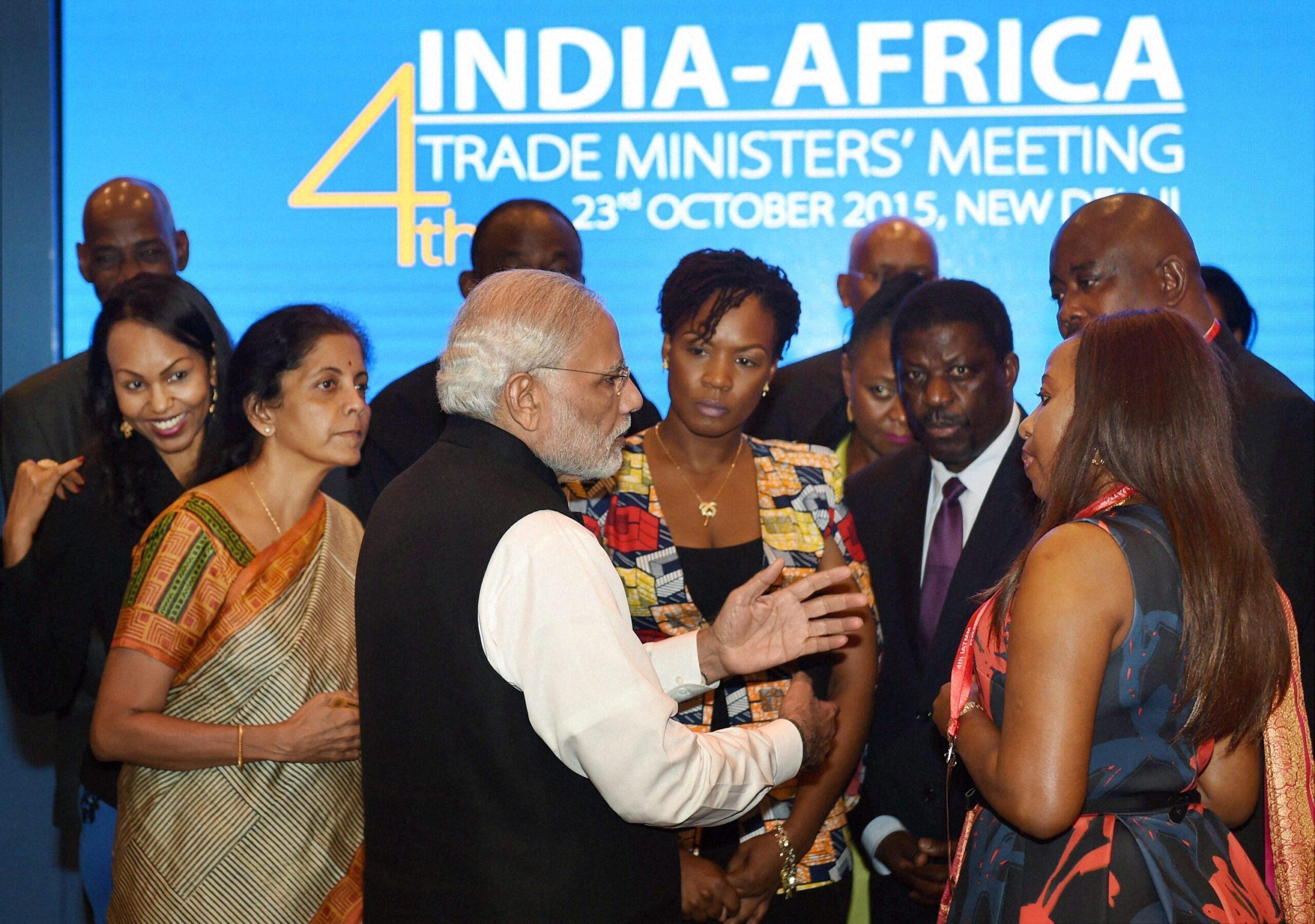
“India and South Africa have renewed efforts to finalize a Preferential Trade Agreement (PTA) under the Southern African Customs Union (SACU), aiming to boost cooperation in critical minerals, pharmaceuticals, and manufacturing. The move, announced at the BRICS Trade Ministers’ Meeting in Jaipur, marks a significant step toward strengthening India–Africa economic ties after nearly two decades of stalled negotiations.”
South Africa’s trade landscape is undergoing a pivotal shift as India and South Africa revive negotiations on a Preferential Trade Agreement (PTA) under the Southern African Customs Union (SACU). This development, announced on August 6, 2026, during the BRICS Trade Ministers’ Meeting in Jaipur, India, signals renewed momentum in bilateral trade relations that have been stagnant for nearly two decades. The PTA, once finalized, could reshape the flow of critical minerals, pharmaceuticals, and manufactured goods across Southern Africa and India, with far-reaching implications for global supply chains.
Background of the PTA
Formal negotiations for the PTA began in 2008 after India and SACU signed a Memorandum of Understanding. By 2011, both sides had exchanged product lists, but talks stalled due to disagreements over tariff concessions and market access. India sought improved access for textiles and pharmaceuticals, while SACU countries pushed for greater opportunities in agriculture and minerals. The renewed push in 2026 comes against the backdrop of shifting global trade dynamics, supply chain diversification, and India’s growing interest in Africa as a strategic partner.
Strategic Importance
- Critical Minerals: South Africa and its SACU partners hold vast reserves of platinum, manganese, and rare earths, which are vital for India’s renewable energy and technology sectors.
- Pharmaceuticals: India, a global leader in generic drug production, sees Southern Africa as a key market for expanding affordable healthcare solutions.
- Manufacturing: Both sides aim to strengthen industrial cooperation, with India seeking to expand its footprint in automotive and electronics manufacturing across Africa.
BRICS Context
The timing of the renewed negotiations is significant. BRICS has increasingly become a platform for emerging economies to coordinate trade and investment strategies. India’s Commerce Minister Piyush Goyal and South Africa’s Trade Minister Parks Tau emphasized that the PTA should not be viewed merely as a tariff-reduction mechanism but as a strategic partnership to build resilient value chains.
Economic Implications for South Africa
South Africa’s economy, facing challenges from sluggish growth and high unemployment, could benefit from expanded access to Indian markets. The PTA could:
- Boost exports of minerals, agricultural products, and vehicles.
- Attract Indian investment in manufacturing hubs within South Africa.
- Strengthen South Africa’s role as a gateway to the wider African market.
Economic Implications for India
For India, the PTA offers:
- Diversification of supply chains away from China.
- Access to strategic minerals critical for electric vehicles and renewable energy technologies.
- Expansion of pharmaceutical exports into Africa’s growing healthcare sector.
Challenges Ahead
Despite the optimism, several hurdles remain:
- Tariff Concessions: India and SACU must reconcile differences over textiles, agriculture, and mineral exports.
- Market Access: SACU countries want guarantees that their agricultural exports will not be sidelined.
- Geopolitical Factors: Global trade tensions, particularly US tariffs on South African exports, could complicate negotiations.
Expert Perspectives
Dr. Manish Karmwar of the University of Delhi noted that the PTA should be seen as more than a trade arrangement. “It is an opportunity to strengthen India’s long-term partnership with Southern Africa through critical minerals, pharmaceuticals, manufacturing, agriculture, and resilient value chains,” he said.
Conclusion
The revival of India–South Africa PTA negotiations represents a turning point in bilateral trade relations. If successful, the agreement could unlock new opportunities for both economies, strengthen BRICS cooperation, and reshape global supply chains. For South Africa, it offers a chance to diversify exports and attract investment; for India, it provides access to critical resources and new markets. The coming months will be crucial as negotiators work to finalize the Terms of Reference and overcome longstanding differences.



