




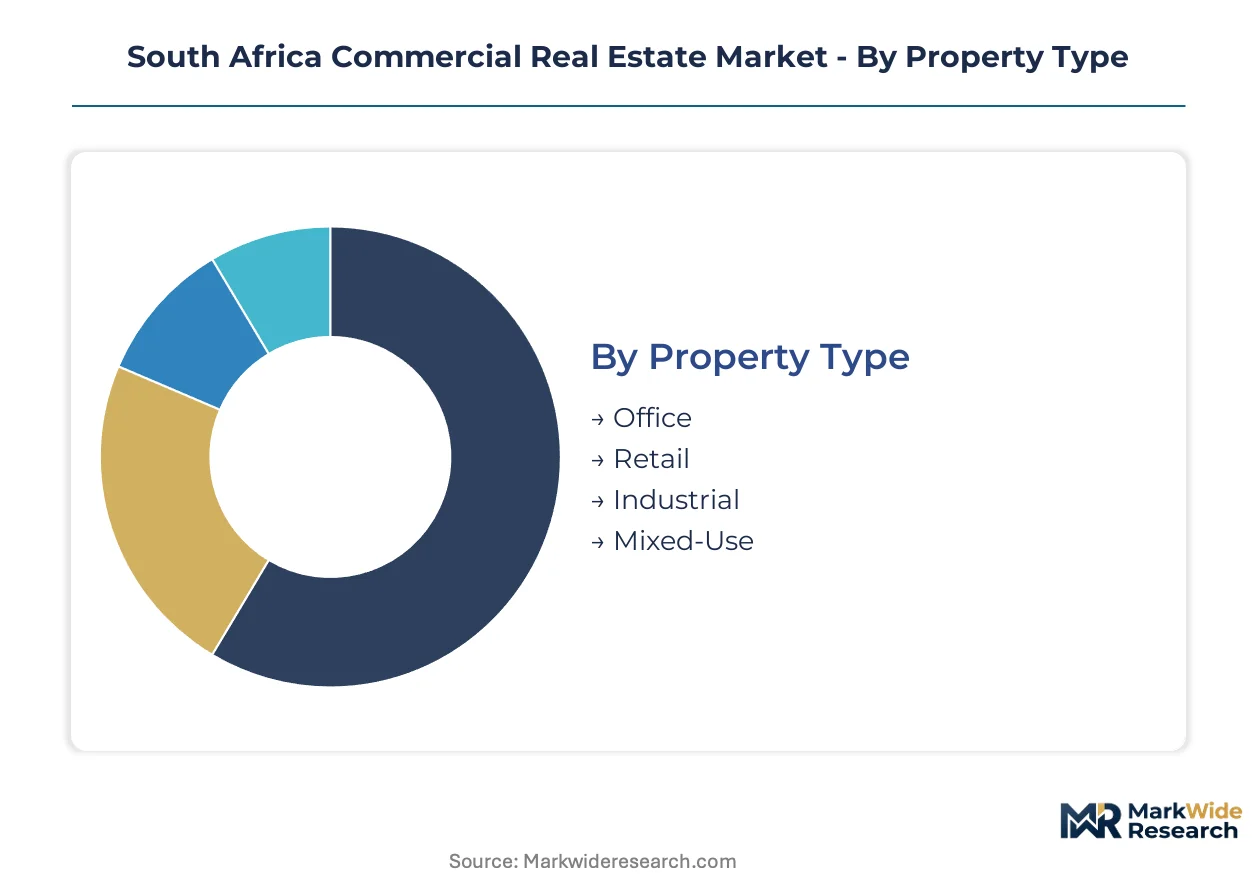
“South Africa’s commercial property market is rebounding in 2026, with industrial real estate driving growth while office and retail sectors cautiously recover. Investor confidence is rising, supported by strong REIT performance and transparent auction channels.”
South Africa’s property market in 2026 has entered a new phase of momentum, marking a sharp departure from the sluggish growth and pandemic-related disruptions of prior years. At the heart of this resurgence lies industrial real estate, which has become the most dynamic and attractive investment class.
Industrial Real Estate: The Star Performer
- Vacancy rates: Dropped below 5% nationally.
- Rental growth: 8.4% year-on-year for 500m² spaces.
- Key drivers:
- Expansion of e-commerce fueling demand for warehouses.
- South Africa’s strategic logistics role in continental trade.
- Infrastructure upgrades in ports, rail corridors, and highways.
This sector’s resilience and scalability make it a cornerstone of investor portfolios. Warehousing and last-mile distribution hubs in Cape Town’s logistics corridors are particularly hot, attracting both domestic and international investors.
Office Market Recovery
- Cape Town: Outperforming with demand from professional services firms.
- Johannesburg: Still grappling with oversupply, leading to conversions of older office stock into mixed-use developments.
- Trends: A-grade and decentralized offices gaining traction due to hybrid work arrangements.
This cautious recovery is vital for balancing the broader commercial property landscape and supporting urban regeneration.
Retail Nodes Stabilizing
- Gauteng’s super-regional malls: Showing growth in Q1 2026.
- Convenience retail: Benefiting from suburban demand and experiential shopping.
- Consumer behavior: Shoppers value accessibility and lifestyle-driven retail experiences.
Retail’s stabilization signals a shift toward sustainable formats that blend physical and digital shopping.
Investor Confidence
- REITs: Delivering strong returns, boosting confidence.
- Auctions: Gaining popularity as transparent transaction channels.
- Sentiment: Investors view industrial assets as aligned with global supply chain trends.
Broader Economic Context
South Africa’s economic recovery is underpinning this property resurgence. Infrastructure investments, trade expansion, and improved lending conditions are creating fertile ground for real estate growth.
Risks and Challenges
- Johannesburg oversupply: Could slow office recovery.
- Global inflation and oil prices: Potentially impact financing costs.
- Retail competition: Online shopping continues to pressure traditional formats.
Conclusion
The industrial real estate boom is reshaping South Africa’s investment landscape in 2026. With strong fundamentals, infrastructure support, and rising investor confidence, industrial property stands out as the sector to watch. Office and retail markets are stabilizing, but industrial remains the star performer, positioning South Africa as a key logistics hub for the continent.



